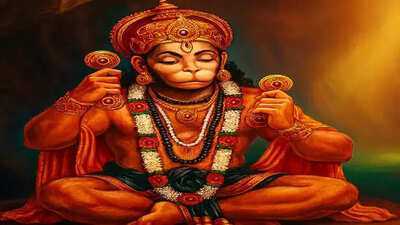
श्रीगुरु चरन सरोज रज, निज मन मुकुर सुधारि।
बरनऊँ रघुबर बिमल जसु, जो दायक फल चारि॥
This opening doha of the
Hanuman Chalisa sets the tone for purification of the mind before invoking divine grace. In the Hindu devotional tradition, the idea of reversing misfortune does not merely mean changing events overnight. It means cleansing inner obstacles, strengthening courage, and aligning oneself with dharma. Among the forty verses composed by the 16th century saint-poet Tulsidas, certain lines are especially believed by devotees to remove negative influences, dissolve fear, and attract auspiciousness.
The
Hanuman Chalisa was written in Awadhi and remains one of the most recited hymns in India. It glorifies Hanuman as the embodiment of strength, wisdom, devotion, and protection. Scriptures like the
Ramcharitmanas and Puranic literature describe Hanuman as Sankat Mochan, the remover of difficulties. The belief that specific verses can reverse bad luck comes from centuries of oral tradition, temple practice, and the association of Hanuman with protection from planetary afflictions and unseen obstacles.
1. नासै रोग हरै सब पीरा, जपत निरंतर हनुमत बीरा  A visually calming and spiritually powerful thumbnail showing a peaceful early morning scene. In the center a young devotee is seated cross legged with eyes closed holding a Hanuman Chalisa book close to the chest. A soft golden glow surrounds the figure symbolising inner strength peace and divine protection. In the background a subtle image of Lord Hanuman appears in a gentle blessing posture, not overpowering but protective and reassuring. Warm saffron and soft white tones dominate the image creating a sense of devotion calm and positivity. The overall mood reflects mental peace courage focus and spiritual balance, making it relatable for modern lifestyle and spirituality focused readers.
This line translates to: “All diseases are destroyed and every pain is removed by constant chanting of the brave Hanuman’s name.”
In traditional belief, misfortune is not limited to financial setbacks or failed plans. It includes illness, mental unrest, and unexplained suffering. This verse directly links remembrance of Hanuman with the removal of physical and emotional distress. The term “रोग” refers to disease, while “पीरा” encompasses deeper suffering, including karmic burdens.
Hanuman is associated with vitality and prana. In the
Ramayana, he brings the Sanjeevani herb to save Lakshmana, symbolizing restoration of life and hope. Devotees interpret this verse as invoking healing energy that restores balance. In astrology, Hanuman worship is often recommended to reduce the malefic effects of Saturn, which is traditionally linked with delays and hardship.
2. संकट ते हनुमान छुड़ावै, मन क्रम वचन ध्यान जो लावैMeaning: “Hanuman frees one from crises if one meditates upon him through mind, action, and speech.”
The word “संकट” means severe difficulty or danger. This line emphasizes holistic devotion. It is not mechanical chanting alone but alignment of thought, action, and words that brings relief. In classical bhakti philosophy, intention matters as much as repetition.
Hanuman represents unwavering focus and fearless service. In the epic narrative, he crosses the ocean, enters Lanka, and confronts powerful forces without hesitation. Devotees believe this verse strengthens inner resolve and removes hidden obstacles that appear as repeated bad luck.
The spiritual message embedded here is that adversity often diminishes when clarity and disciplined effort replace fear. The verse reminds the devotee that transformation begins internally before manifesting externally.
3. भूत पिशाच निकट नहिं आवै, महावीर जब नाम सुनावैTranslation: “Ghosts and negative entities do not come near when the name of the mighty Hanuman is spoken.”
In traditional Hindu cosmology, misfortune may be attributed to unseen negative influences. Whether interpreted literally or psychologically, this line speaks about protection from fear, anxiety, and harmful environments.
Hanuman is called Mahaveer, the great hero. His image in temples often depicts him standing guard, symbolizing vigilance and strength. Many families recite this verse at night or during periods of instability because it is associated with shielding the household from negativity.
In a broader sense, the verse encourages mental resilience. When the mind repeatedly focuses on strength and courage, fear loses power. Thus, the reversal of bad luck is seen as the restoration of confidence and protection from harmful thought patterns.
4. सब सुख लहै तुम्हारी सरना, तुम रक्षक काहू को डरना  A peaceful devotee chanting Hanuman Chalisa with folded hands symbolising faith emotional stability and spiritual connection
Meaning: “All happiness is attained in your refuge. When you are the protector, there is nothing to fear.”
This line expresses surrender. In devotional theology, surrender does not imply weakness but trust in divine protection. The concept of “शरण” means seeking refuge with faith.
The belief that this line reverses bad luck comes from its assurance of security. Fear often magnifies misfortune. When a devotee believes that a higher power is guarding them, courage increases and decisions improve.
In many temples dedicated to Hanuman across India, this verse is chanted collectively on Tuesdays and Saturdays. These days are traditionally linked with Hanuman worship and with the mitigation of Saturn’s challenging influence in Vedic astrology.
Contact to : xlf550402@gmail.com
Copyright © boyuanhulian 2020 - 2023. All Right Reserved.