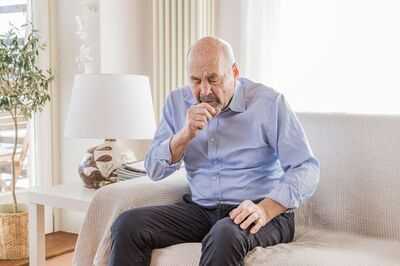
NHS guidance advises people taking statins to stop their medication immediately and seek urgent medical help if they experience certain specific symptoms. Statins are prescribed to lower levels of low-density lipoprotein (LDL) cholesterol in the blood.
LDL cholesterol is often referred to as the "bad cholesterol", and statins work by reducing its production in the liver. High levels of LDL cholesterol can present serious health dangers and may heighten the risk of strokes, heart attacks, angina, and coronary heart disease.
Patients prescribed statins generally take them once a day. As with all medications, some people taking statins may experience unwanted side effects, although most do not, as reported by Chronicle Live.
- Smoking and vaping to be BANNED in these public areas - changes in full
- Mum issues warning after waking up with rotting legs when she passed out drunk
The side effects experienced will vary depending on which statin is being used, though common reactions include nausea, headaches, cold-like symptoms, constipation, diarrhoea, and feeling weak or dizzy. NHS advice reads: "Talk to your doctor or pharmacist if you get any side effects at all, and if they bother you or do not go away. Your doctor may recommend trying a lower dose of pravastatin or a different statin."
The NHS also warns about serious adverse reactions that require immediate medical attention. Guidance for atorvastatin (Lipitor), pravastatin (Lipostat), rosuvastatin (Crestor), and simvastatin (Zocor), recommends stopping the medication and calling 111 or contacting a doctor straight away if you notice any of these symptoms:
- a skin rash with pink or red blotches, particularly on the palms of your hands or soles of your feet – this might be a symptom of erythema multiforme
- unexplained muscle pain, tenderness, weakness or cramps – these could indicate muscle breakdown and kidney damage
- the whites of your eyes turn yellow, or your skin turns yellow, although this may be less noticeable on brown or black skin, or if you have pale stools and dark urine – these could be signs of liver problems
- a cough, shortness of breath, and weight loss – these could be symptoms of lung disease
- severe stomach pain – this could be an indication of acute pancreatitis
- weakness in your arms or legs that worsens after activity, or if you experience double vision, drooping eyelids, difficulties swallowing or shortness of breath - these could be signs of myasthenia gravis
You must ring 999 or go directly to A&E if serious breathing or swallowing problems develop. Several other warning signs could indicate a severe allergic reaction has occurred, meaning you need to call an ambulance:
- your throat feels constricted or swallowing becomes difficult
- you become extremely confused, drowsy or dizzy all of a sudden
- your lips, mouth, throat or tongue suddenly swell up
- you're breathing at an unusually rapid pace or struggling to breathe (you may become very wheezy or feel as though you're choking or gasping for air)
- a child appears limp, floppy or unresponsive in a way that's not normal for them (their head may droop to the side, backwards or forwards, or they may struggle to lift their head or focus on your face)
- your skin, tongue or lips turn blue, grey or pale (for those with black or brown skin, this may be more noticeable on the palms of your hands or soles of your feet)
- someone faints and cannot be woken up
Furthermore, you or the affected person might also present with a rash that appears swollen, raised, itchy, blistered or peeling.
Contact to : xlf550402@gmail.com
Copyright © boyuanhulian 2020 - 2023. All Right Reserved.