
The NHS has issued guidance to anyone who has noticed a change in their vision. And it's important to get checked asap if you are "sensitive to bright lights".
Talking about Age-related macular degeneration (AMD), the NHS explains that this "is a common condition that affects the middle part of your vision."
While it does not cause total blindness, it can make daily tasks like reading and recognising faces difficult. If you don't address the issue as soon as possible, your vision may get worse without treatment.
- Common medicine could 'turn toxic' when mixed with tropical fruit
- All you need to know about vaping ban consultation for certain public areas
While the exact cause is unknown, it has been linked to things such as ageing, smoking, high blood pressure and being overweight. Having a family history of AMD also puts you at an increased risk.
Symptoms of age-related macular degeneration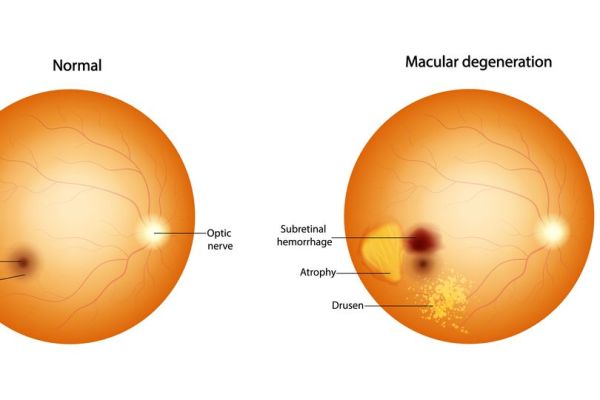
Symptoms may develop slowly over several years, and then worsen rapidly within a few weeks or months. You can get it in one eye or both.
Symptoms may include:
- a blurry or distorted area in your vision
- straight lines looking wavy
- things looking smaller than they should
- colours not looking as bright as they used to
- being sensitive to bright lights
- adapting from dark to light conditions being difficult
- hallucinations (seeing things that aren’t there)
- seeing flickering or flashing lights
While AMD is not painful and does not affect the appearance of your eyes, it is still essential to look out for these signs.
Get helpYou should see an optician if you're worried about your vision. "If you have a problem with your eyes, early diagnosis and treatment may help stop your vision getting worse", the NHS warns.
You should arrange an urgent optician appointment or get help from NHS 111 if:
- your vision gets suddenly worse
- you have a dark "curtain" or shadow moving across your vision
- your eye is red and painful
These symptoms can be signs of other eye problems that need to be treated straight away. You can call 111 or get help from 111 online.
Driving warning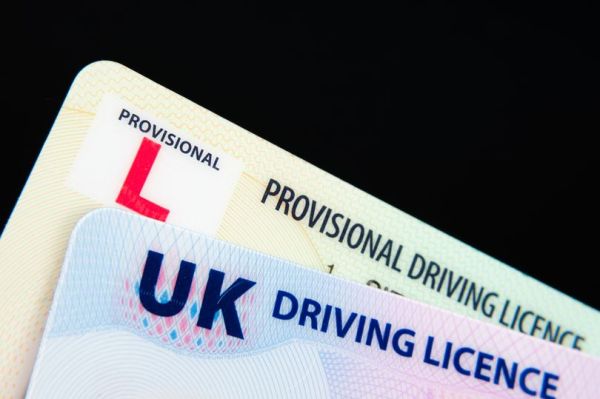
According to Age UK, an optician can sometimes detect AMD before symptoms appear, which is why regular eye tests are important. If you’re over 60, you’re eligible for a free eye test every two years.
The charity warns that "AMD can mean it’s no longer safe for you to drive."
Remember, drivers "could be fined up to £1,000 if they do not tell DVLA about a condition that might affect their ability to drive safely. You could also be prosecuted if you have an accident."
The rules say that you must inform the DVLA if you hold a driving licence and you develop a 'notifiable' medical condition or disability, or a condition or disability has worsened since you received your licence.
Notifiable conditions are anything that could affect your ability to drive safely. They can include:
- diabetes or taking insulin
- syncope (fainting)
- heart conditions (including atrial fibrillation and pacemakers)
- sleep apnoea
- epilepsy
- strokes
- glaucoma
Additionally, a driver could face prosecution if they have an eye condition that affects their ability to drive and fail to declare it. You must tell DVLA if you have certain eye conditions.
You must also tell DVLA if any of the following apply:
- your eye condition affects both eyes
- your eye condition affects one eye - but you only have vision in that eye
- you have retinitis pigmentosa that affects one or both eyes
- a GP, optician or eye specialist has said you should not drive
- you do not meet the visual standards for driving
If you have any eye issues, you should report them to the DVLA online as soon as possible. You can do sohere.
Contact to : xlf550402@gmail.com
Copyright © boyuanhulian 2020 - 2023. All Right Reserved.