Dr Punam has shared advice for anyone struggling with high cholesterol, including evidence of a cheap method proven to help reduce high levels in a short amount of time. The NHS GP appeared on a recent episode of BBC Morning Live and spoke with hosts Gethin Jones and Michelle Ackerley about the importance of a healthy diet in managing high cholesterol.
During the segment, she told viewers how common high cholesterol is and stressed that anyone can get it. She said around one in two adults will have raised cholesterol, and many people don't know they have it because high cholesterol typically has no symptoms. Because of this, high cholesterol is often referred to as a 'silent killer'.
Cholesterol is a fatty substance made by your liver and found in your blood. Not all cholesterol is bad; it is needed for things like cell building and hormone production. 'Good' HDL cholesterol is the beneficial type, while a build-up of 'bad' LDL cholesterol is what increases health risk and is the number you want to lower.
- Doctor Amir Khan says we're all waking up at 3am for same reason
- Mum issues warning after waking up with rotting legs when she passed out drunk
Over time, cholesterol can build up in your arteries, narrowing and hardening them and increasing the risk of heart disease. Typically, there are no obvious signs until a serious event like a heart attack or stroke occurs.
If people do display symptoms, these often include shortness of breath, chest pain, yellowish, soft, or fatty bumps on the skin, erectile dysfunction, circulation issues, and a grey-white ring around the edge of the cornea.
What is the 8p 'two-day' method Dr Punam mentioned?
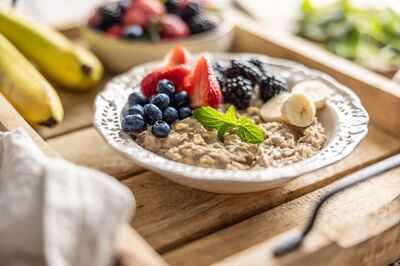
A short-term oat-based diet appears "surprisingly effective" at reducing cholesterol levels, according to a trial by the University of Bonn. The study has now been published in the journal Nature Communications.
Dr Punam mentioned the study on the BBC talk show and said high-fibre foods can be key in tackling high cholesterol, and potentially high blood pressure. She told viewers about the recent study that found that people who consumed high fibre, including porridge, over a couple of days seemed to improve their cholesterol levels and blood pressure.
She said: "There has been a recent study that was looking at porridge, making headlines for cholesterol. It was about people having soluble fibre, so porridge and hot water, over a couple of days, seems to make some improvement in your cholesterol levels and your blood pressure."
She added: "That's not to say that is what you should be doing all the time, but it is emphasising that actually having slow fibre in your oats, your beans, your lentils is fantastic for cholesterol, lowering and improving that. So over a long period of time, put that into your everyday balanced diet."
There are plenty of options for anyone interested in buying porridge oats, with numerous supermarkets selling affordable brands. Asda, for instance, is selling a 1kg bag of porridge oats for 85p, which works out to around 8p per 100g serving.
She emphasised that eating "slow fibre" foods, like oats (porridge), beans, and lentils, can be "fantastic" for lowering cholesterol. She advises incorporating these types of slow fibre foods into an everyday balanced diet over a long period of time.
What did the "two days of oatmeal" study show?
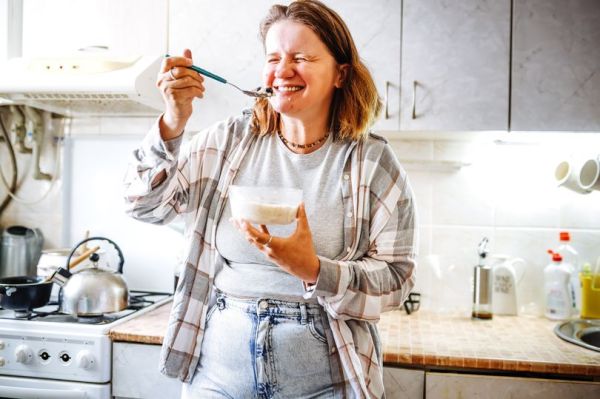
People with metabolic syndrome experienced an average 10% drop in LDL cholesterol after only two days of eating 300g of porridge made with water. This diet also caused a small decrease in blood pressure and an average weight loss of 2kg (4.4 lbs).
The benefits for metabolic health were still noticeable six weeks after the two-day diet. Eating a lot of oats seemed to change the gut bacteria, increasing the good bacteria that help with better cholesterol metabolism. Using a high-dose, short-term, two-day method was found to be more effective than just adding smaller amounts of oats to a regular diet over six weeks.
Can porridge really help lower cholesterol?
Eating porridge regularly can help reduce cholesterol levels, research shows. It's packed with a type of soluble fibre called beta-glucan, which forms a gel in the stomach that binds to bile acids rich in cholesterol and prevents their absorption. If you eat about 3g of beta-glucan each day—around one 70g bowl of porridge—you could lower your LDL (the "bad" cholesterol) by about 7%.
Beta-glucan binds to cholesterol in the intestines, preventing its absorption and pushing the liver to remove more LDL cholesterol from the bloodstream. A daily serving of 70g of dry oats (or a 30g packet, as some suggest) is enough to get the needed 3g of beta-glucan.
All types of oats (like rolled, quick, or instant) work well, as long as they are whole grains. Research shows that eating oats regularly can have cholesterol-lowering effects similar to those of statins, without the potential side effects.
Oats also have a low glycemic index, which helps keep blood sugar levels in check. To get the best cholesterol-lowering results, make porridge with water or low-fat milk and skip the sugar.
Eating porridge is usually seen as a really good habit because it's full of fibre and nutrients that help keep your heart healthy and manage your weight. But there are some things to think about, like it might cause stomach issues because of the high fibre, it can stop your body from absorbing some minerals (because of something called phytic acid), it could make your blood sugar go up if you pick instant or sugary kinds, and there might be gluten contamination.
Oats have a lot of soluble fibre, which can make you feel bloated, gassy, or have a stomachache if you're not used to eating a lot of fibre. It's really important to drink enough water to help with the effects of fibre. Instant, flavoured, or microwave porridge packets usually have a lot of added sugar and calories. Eating these every day can make you gain weight instead of losing it, and they might not be the best choice for keeping your blood sugar in check.
What else helps lower high cholesterol?
Dr Punam says high cholesterol is not just for older or overweight people. You can be slim, fit, and active and still have high cholesterol. It is complex and influenced by a combination of factors, including family history, genetic makeup, and lifestyle.
Reducing cholesterol requires a combination of physical activity and diet changes, as neither alone is always enough. Dr Punam says diet is "really important," as a diet high in saturated fats and processed foods can counteract the effects of exercise.
Foods containing "slow fibre" like oats (porridge), beans, and lentils are "fantastic" for lowering and improving cholesterol. These foods should be incorporated into a balanced diet over a long period. Stress management, including a fast-paced lifestyle and sleep patterns, also influences cholesterol levels.
What else did Dr Punam say?
Dr Punam said if you are over age 40 and have never been checked for high cholesterol, book an appointment. She said this is especially important if you have strong risk factors or a family history.
If you are high risk, checking once a year is reasonable, potentially twice a year if on medication or if levels are high, she added. A single test is not "viable forever" and should be rechecked to understand your baseline.
For many people, the only way to manage and lower their cholesterol is by taking medications, including statins, which the NHS GP says are "safe and effective". She also said if one medication doesn't work, there are other options available.
There is no reason for "stigma and shame" regarding long-term medication, as anything that reduces your risk is good for your longevity, she also told viewers. "I think there's still ongoing stigma and shame, sometimes of having long-term medication, especially something that you might be on for life, but there's absolutely no reason to do that. Anything that's going to reduce your risk is going to be good for you in terms of your longevity," she said.
Contact to : xlf550402@gmail.com
Copyright © boyuanhulian 2020 - 2023. All Right Reserved.