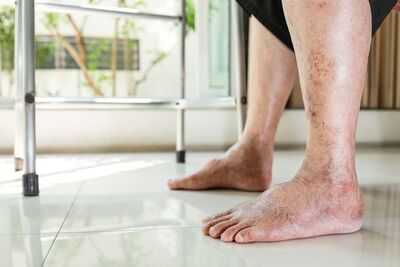
Experts are urging people to check their feet for a possible indicator of liver disease that might be easily missed. According to Dr Mindy Pelz, the condition of your feet's skin can reveal a great deal about your overall well-being.
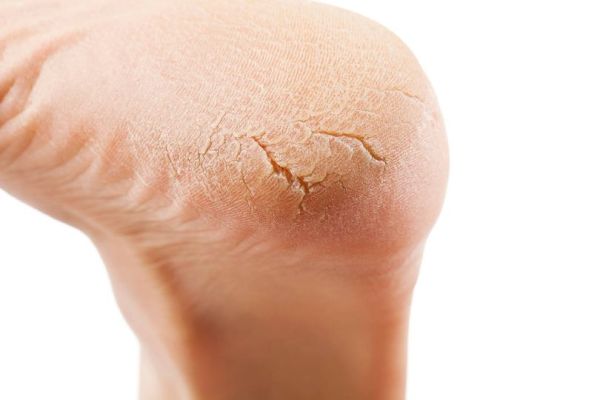
Whilst rough foot skin isn't uncommon and may suggest a vitamin deficiency or poorly-fitting shoes, it could also point to a more serious health concern. During an episode of the hit podcast Diary Of A CEO, Dr Pelz indicated that dry, cracked skin might serve as an early red flag for liver disease, reports Gloucestershire Live.
Speaking with podcast presenter Steven Bartlett, the fasting and women's health specialist recommended that spotting dry and cracked skin on your feet warrants a trip to your GP. She said: "Dry and cracking is showing that you're not getting proper circulation down to your feet
- I tried 'Japanese Clouds' from M&S and can sum them up in four words
- Harold Shipman's tragic pop star victim who knocked The Beatles off No1 spot
"So it can be a possibility that the liver is not doing a good job of detoxing and getting toxins out." She added: "Your circulation isn't freely getting down to the bottom of your feet."
As Bartlett peeled off his sock to inspect his own foot, he asked: "What is a sign that my liver is not healthy, looking at the bottom of my feet?" The doctor replied: "It's the real dry cracks."
The liver primarily performs four functions, namely digestion, blood purification, immune support, and blood clotting. Warning signs of liver damage or failure often appear when the liver is unable to perform these tasks; symptoms can vary from person to person.
Those with chronic liver disease may experience pruritus, or itchy skin. This itchiness can be localised to a specific area, such as the feet, or affect the entire body. The skin in these areas might appear red and coarse, with bumps or cracks. Scratching usually doesn't relieve the discomfort, and the itching often worsens at night, disrupting sleep.
However, dry, cracked heels may also indicate a deficiency in vitamin B3 or omega-3 fatty acids. The liver produces bile, which helps break down and absorb fat-soluble vitamins and nutrients.
If the liver isn't functioning at its best, it may struggle to produce enough bile to extract these vital vitamins and nutrients. A deficiency in vitamin B3 could result in pellagra, a condition marked by diarrhoea, dermatitis, and dementia.
Food sources rich in vitamin B3 include: red meat such as beef and beef liver, pork, poultry, fish, brown rice, fortified cereals and breads, nuts, seeds, legumes, and bananas. Meanwhile, foods abundant in omega-3 include: fish, oysters, sardines, anchovies, flaxseed, chia seeds, walnuts and soybeans.
Severely parched skin might indicate cirrhosis, stemming from the liver's failure to process vitamin A, an essential nutrient for keeping skin healthy. A 2021 study examining 125 participants with cirrhosis found that 93.5% were deficient in vitamin A.
Further indicators of compromised liver function include jaundice (yellowing of the eyes and skin), puffy feet, fluid build-up around your abdomen, unexpected weight fluctuations, reddened palms, and reduced cognitive function.
Contact to : xlf550402@gmail.com
Copyright © boyuanhulian 2020 - 2023. All Right Reserved.