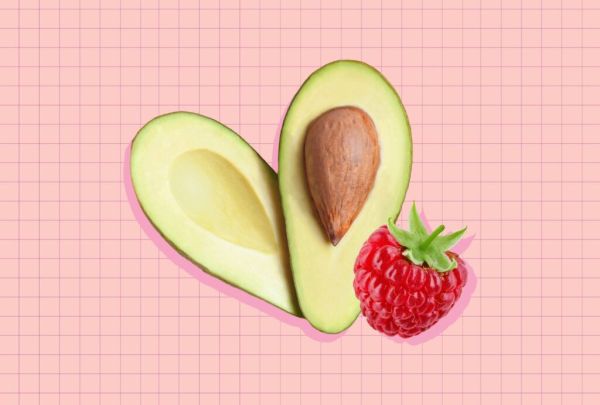
- Salmon, beans, walnuts, avocados and berries are heart-healthy favorites.
- Omega-3s, fiber and antioxidants support healthy cholesterol and blood pressure.
- Small changes over time are important for maintaining cardiovascular health.
Eating for your heart is something we should all be focused on. About 22 percent of deaths in the U.S. are from heart disease, and half of Americans have at least one risk factor for heart disease, including high blood pressure or cholesterol. “What we eat has a real impact on heart health, affecting things like cholesterol, blood pressure, inflammation and blood sugar. Over time, those everyday food choices can either support your heart or slowly work against it,” shares Angel Planells, M.S., RDN.
We asked heart health dietitians what they eat every week to highlight practical, research-backed foods to include in your diet. Plus, get tips on easy ways to add these foods into your meals and snacks.
Salmon
It shouldn’t come as a surprise to see salmon and other fatty fish on this list. Salmon is rich in omega-3 fatty acids, which play a crucial role in cardiovascular health. Michelle Routhenstein, M.S., RD, CDCEStries to eat salmon and sardines weekly. She adds, “Omega-3s help lower triglycerides, support normal heart rhythm and modestly lower blood pressure, which together reduce the risk of heart disease and sudden cardiac death.”
While some omega-3 research has focused on supplements, Planells says that “Eating fish regularly has been linked to a lower risk of heart disease and stroke.” The American Heart Association recommends eating fish twice per week, especially those that are high in omega-3s. Choosing broiled, baked or grilled seafood may be better than frying. Routhenstein notes that it’s not just about eating seafood, but also what you might be eating less of. “Replacing red or processed meat with fatty fish also improves the overall fat profile of the diet, with more unsaturated fats and fewer saturated fats, supporting healthier cholesterol levels,” she explains.
Beans and Lentils
The legume family includes beans and lentils, both of which play an important role in keeping your heart healthy. Planells says, “Legumes are a consistent part of my weekly meals. They provide soluble fiber that helps lower LDL cholesterol, along with potassium and magnesium, which play important roles in blood pressure regulation and heart rhythm.”
Most people don’t eat enough fiber, and beans are an easy way to get more. Researchers found that for every 10 grams of fiber added to the diet, cardiovascular disease risk was reduced by 7 percent. Soluble fiber in particular helps decrease cholesterol levels by reducing how much your body absorbs and increasing how much you excrete.
Walnuts
Walnuts are another food that delivers heart-healthy fats. “I eat a handful of walnuts a of couple times a week,” says Routhenstein. “Walnuts are rich in plant omega-3 (ALA) unsaturated fats, antioxidants and arginine, a precursor for nitric oxide, which helps blood vessels relax.”
All nuts can benefit your heart due to their fiber and unsaturated fat content, but walnuts stand out because they are particularly rich in omega-3. Research has linked eating walnuts with a reduced risk of heart disease, lower blood pressure and cholesterol, and reduced inflammation. When young adults ate a serving of tree nuts for a snack, including walnuts, they improved their cholesterol and triglyceride levels. Plus, they reduced their waist circumference and had better blood sugar control.
Avocado
Avocados are not only delicious, but they also deliver fiber, potassium, magnesium, antioxidants and unsaturated fats. Eating avocados can help reduce your risk for heart disease thanks to all the nutrition they provide, especially if you swap them out for foods high in saturated fats. Skylar Griggs, MS, RDN, LDNshares that she often enjoys them on sandwiches. “I use avocado as a spread on my sandwiches as they are an excellent source of good fat but also the type of good fat that raises your HDL cholesterol. You can switch avo in for mayo and reduce the saturated fat significantly.”
Potassium plays an important role in maintaining healthy blood pressure levels. It has been shown to regulate blood pressure and may also protect against the impact of excessive sodium intake. High blood pressure is considered the leading modifiable risk factor for heart disease, so consuming adequate amounts of potassium from fruits and vegetables like avocados is key for better cardiovascular health.
Berries
“Berries such as blueberries and strawberries are packed with fiber and antioxidants, including anthocyanins that support blood vessel function,” says Planells. Phenolic compounds in the berries have antioxidant properties that help reduce inflammation and keep your arteries, veins and capillaries healthy. “They’re also a naturally sweet way to satisfy cravings without excess added sugar,” adds Planells. He notes that while fresh berries are fantastic, frozen berries are also a great choice.
Adding Heart-Healthy Foods to Your Routine
- Use walnuts as a topping: Routhenstein recommends walnuts for a crunchy topping on salads, oatmeal or yogurt bowls. Using heart-healthy foods as a topping for foods you’re already eating can be an easy way to incorporate more into your diet.
- Keep your pantry stocked: “Canned salmon doesn’t get enough credit,” shares Griggs. Sardines and anchovies are other omega-3-rich options to keep on hand. Canned or dried beans and lentils are other heart-healthy pantry staples.
- Add legumes to what you’re already eating: Beans and lentils are versatile. “Toss beans into soups, pasta dishes, tacos or salads for an easy fiber and protein boost,” Planells suggests. You could make those meals vegetarian or add beans to ground meat to combine the two protein sources.
- Upgrade your snacks: Berries and walnuts make simple snacks to help you eat more heart-healthy nutrients. Get more creative by topping chia pudding with berries or using walnuts in an energy ball recipe.
Our Expert Take
Many foods can be included as part of a heart-healthy eating pattern. A heart-healthy diet is about your eating habits over time, not just a single food. However, adding these dietitian-approved foods to your diet can help. Routhenstein notes that small changes add up, and that over time tracking these changes can be motivating if you notice improvements in your numbers and health.
Contact to : xlf550402@gmail.com
Copyright © boyuanhulian 2020 - 2023. All Right Reserved.