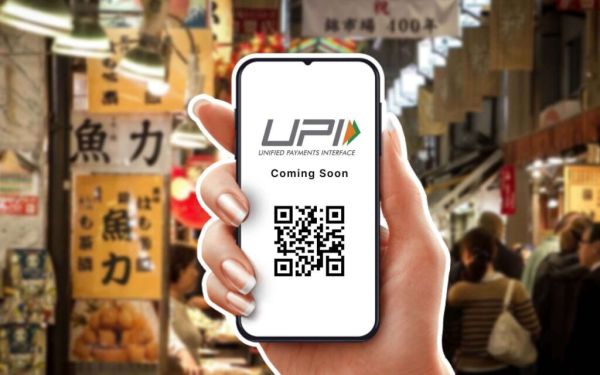
By enabling QR-based merchant payments between India and Malaysia, NPCI International Payments Ltd (NIPL) and Payments Network Malaysia Sdn Bhd (PayNet) have significantly increased cross-border digital payments. Travelers from both nations will be able to use their home QR-based payment apps to make easy retail payments thanks to the partnership, eliminating the need for foreign cards or currency exchange.
Phased implementation will be the next step in India’s goal to increase its worldwide presence in digital payments.
Phase One: Indian Travellers Pay via UPI in Malaysia
In the first phase of the integration, Indian travellers visiting Malaysia can use their familiar UPI apps to scan and pay at DuitNow QR acceptance points across the country.
This means that whether you’re dining at a Kuala Lumpur café, shopping in Penang, or buying tickets at a tourist attraction in Langkawi, you can simply scan a DuitNow QR code and pay directly from your Indian bank account through UPI. There’s no need to carry large amounts of foreign currency or rely on international debit and credit cards.
DuitNow QR is Malaysia’s national QR standard, operated by PayNet, and is widely accepted across restaurants, retail outlets, transportation services, and entertainment venues. The integration gives Indian travellers access to millions of merchant touchpoints throughout Malaysia.
Phase Two: Malaysians Use DuitNow in India
The second phase flips the experience. Malaysian travellers visiting India will be able to scan UPI QR codes at Indian merchant locations using their DuitNow-enabled apps.
Given India’s massive digital payments infrastructure, this opens access to millions of UPI QR-enabled merchants across metros, tier-2 cities, tourist hotspots, and even small roadside vendors. From street food in Delhi to shopping in Mumbai or temple visits in Varanasi, Malaysian tourists will be able to transact with ease.
This interoperability ensures that both countries’ travellers enjoy a frictionless retail payment experience without navigating complex foreign exchange procedures.
Strengthening Cross-Border Payment Connectivity
The collaboration between NIPL and PayNet is more than just a convenience feature for travellers. It represents a strategic push toward interoperable, real-time cross-border payment infrastructure.
By linking India’s UPI ecosystem with Malaysia’s DuitNow QR network, the two countries are creating a secure and efficient payments bridge. This reduces dependency on traditional international card networks and lowers transaction friction.
The initiative aligns with India’s broader strategy of exporting its digital public infrastructure. UPI has already gained traction in several countries, and such partnerships demonstrate its scalability and global relevance.
For Malaysia, integrating with UPI opens the door to India’s vast outbound tourism base. India remains one of the fastest-growing travel markets, and easier payment acceptance enhances the visitor experience.
A Boost for Tourism and Retail
This move is expected to benefit not just travellers but also merchants and tourism ecosystems in both countries.
For merchants in Malaysia, accepting UPI payments means tapping into Indian tourists who prefer digital payments over cash. For Indian retailers, welcoming DuitNow payments ensures smoother spending by Malaysian visitors.
The ease of QR-based transactions encourages higher spend, improves transparency, and reduces the operational challenges associated with foreign currency handling.
As digital adoption continues to rise across Asia, such real-time, QR-based integrations may become the new standard for cross-border retail payments.
The Bigger Picture: Digital Public Infrastructure in Action
From a local payment system, India’s UPI has developed into a widely accepted digital payments platform. India has been actively forming partnerships with payment networks throughout the world through NIPL, the international division of NPCI.
The QR payment link between India and Malaysia is a blatant example of how cross-border digital public infrastructure is possible. Both countries are establishing a standard for safe, effective, and accessible financial connectivity by facilitating interoperable QR ecosystems.
The advice for travelers is straightforward: pay just like you do at home to avoid any confusion or inconvenience.
QR-based cross-border payments may soon become as ubiquitous as scanning a code at your local store as additional nations investigate comparable arrangements.
Contact to : xlf550402@gmail.com
Copyright © boyuanhulian 2020 - 2023. All Right Reserved.