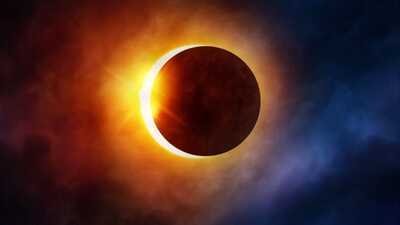
New Delhi: A total Surya Grahan or solar eclipse is one of the rare moments when the sky commands complete attention. As the Moon moves across the Sun’s face, daylight shifts, temperatures dip and an unusual hush settles over the landscape. Today’s eclipse, visible between 03:26 PM and 07:58 PM on February 17, offers skywatchers a dramatic spectacle and photographers a brief but unforgettable window to capture it. Space agency NASA has shared practical guidance to help people photograph the event safely and effectively.
While the science behind the eclipse fascinates researchers, the visual impact draws millions outdoors with cameras in hand. With the right preparation and a clear plan, even a basic camera or smartphone can record striking images. While doing so, protecting your eyes and equipment to adjusting exposure settings and framing the wider scene, these expert-backed suggestions can help you make the most of this celestial show.
Solar Eclipse 2026: Best ways to photograph Surya Grahan Protect your eyes and equipmentSafety must come first. Looking directly at the sun without proper protection can cause serious eye damage and may also harm your camera sensor. During the partial phases, use a certified solar filter on your lens and wear eclipse glasses. Once totality begins and the sun is completely covered, the filter can be removed briefly to photograph the glowing corona. Replace it as soon as the bright surface reappears.
Use what you haveA powerful image depends more on observation than expensive gear. A DSLR with a telephoto lens will capture close details, but a smartphone can produce memorable shots too. If you lack zoom capability, widen your frame and include the horizon, buildings or silhouettes for context. A tripod will steady your camera in dim light, and a shutter timer reduces blur caused by pressing the button.
Capture atmosphere around youDo not focus solely on the sun. As daylight fades, shadows sharpen and colours shift. Light passing through tree leaves can create tiny crescent shapes on the ground. Some of the most compelling images are of people reacting to the sky, pointing, cheering or standing in stunned silence. These human moments tell the full story.
Prepare and test in advanceFamiliarise yourself with your camera settings before the eclipse begins. Practise adjusting exposure and manual focus. For DSLR users, testing on the bright sun beforehand helps determine suitable shutter speeds and aperture ranges. During totality, take several exposures at different settings to capture the corona’s varying brightness.
When the sky darkens this afternoon, remember to pause between photographs. The eclipse will last only minutes at its peak, but the memory of witnessing it directly will remain far longer than any image.
Contact to : xlf550402@gmail.com
Copyright © boyuanhulian 2020 - 2023. All Right Reserved.