Countries that welcome tourists may charge a small fee for visitors. In return, this cash goes towards upkeep of the local infrastructure and public services used by visitors. It can also help manage over-tourism by discouraging excessive crowds during peak seasons and ensuring that tourists, not just locals, contribute to the future of the destination.
These fees are nothing new; countries have charged tourists a small tax for decades. However, it ramped up in the 2000s across Europe as cities began to need a way to cope with the added strain of tourism.
These taxes are usually paid per person, per night, as a fee attached to accommodation bills, or as a flat fee for entering a city/country. More destinations are adopting this idea in 2026, and some have updated their rules and prices.
- Rail compensation 'set to be SCRAPPED' for some passengers in major shake-up
- Home and Away real-life couple share sweet engagement news with huge diamond ring
Consumer group Which? has outlined that a handful of new locations have announced new or increased tourist taxes for 2026, with others also considering introducing fees for visitors. People with trips on the horizon might now need to factor this cost into any upcoming travel plans
New European tourist taxes for 2026
In Italy, Venice’s daily €5 tourist charge, first introduced in 2024, will return for 2026. Visitors who book ahead will need to pay €5 (approximately £4.13) to visit the city on certain days from April to July. The tourist fee doubles to €10 for those who book at the last minute, booking less than four days ahead.
A popular hotspot for Brits, Tenerife has tax plans for people taking on a specific activity during their stay in the country. From this year, a new 'eco-tax' applies only to hikers taking certain walking routes in the popular El Teide National Park - capped at €25 per person, but this may be less.
Norway will also start charging a 3% tax on overnight visitors and cruise passengers from this year. Which? claimed in its report that "the tax is optional and won’t be a blanket tourism tax" - but highly visited parts of the country may choose to charge it and must meet certain requirements to do so.
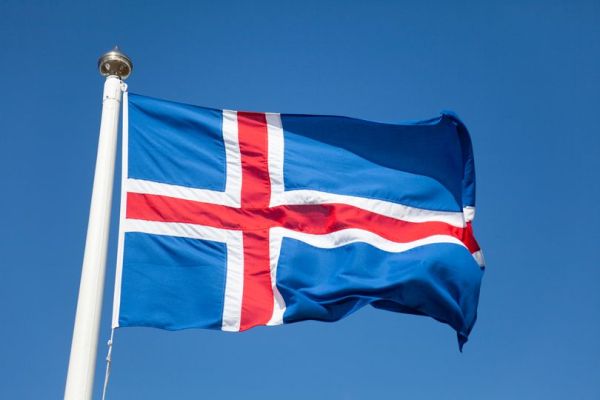
Sticking with Nordic countries, Iceland is set to introduce a new per-kilometre road usage 'tax' to replace its previous fuel tax. As well as locals, this fee will also apply to tourists, and starts at 6.95 ISK (4.2p) per kilometre but can vary depending on the vehicle. Tourists should check the terms of any vehicle rental contract they sign and confirm how this new fee is built into the agreement with their chosen company.
A confirmed tax that could easily catch out Brits is coming into force in Edinburgh. Scotland will be bringing its Visitor Levy into force for any trips taking place to the capital city from July 24, 2026 - with visits booked since October 2025 also affected.
A Visitor Levy of 5% will be added onto accommodation charges, and will apply to anyone staying in paid overnight accommodation in the city. It will extend to all visitors, including UK and Scottish residents. Wales is planning something similar - but that won’t come into effect until 2027 at the earliest
European locations that are increasing tourist taxes in 2026
Some countries will be increasing what they charge visitors, making trips a bit more expensive for travellers in 2026. People might want to budget accordingly for these if they are not already included in the accommodation cost.
- Amsterdam, Netherlands: VAT on overnight short-stay accommodation increased from 9% to 21%. Applies to all bookings made since November 2025.
Milan, Italy: Accommodation within 30km of the Olympic stadium increased from €3.50-€10 (depending on the type of accommodation)
Brussels, Belgium: €1 per overnight stay increase to existing tax, camping prices become €3, and hotel stays become €5.
Paris, France: Tax increase for those staying in 'luxury accommodation' - from €1.95 up to €15.93 per person per night
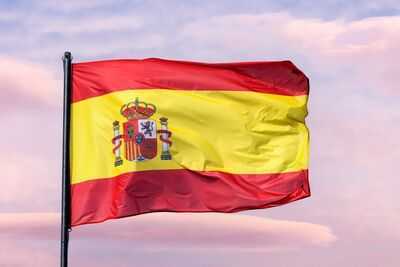
Barcelona, Spain: Rise in regional tourist tax and city tax, from April 2026. Visitors are expected to pay between €10 and €15 per person per night, depending on accommodation type.
Contact to : xlf550402@gmail.com
Copyright © boyuanhulian 2020 - 2023. All Right Reserved.