A food chemistry expert says there are four things we should be eating or drinking more of to slash cholesterol and boost heart health - including a drink many think we should avoid. Ioannis Zabetakis, associate professor of food chemistry at the University of Limerick, said cholesterol has long been seen as a key culprit in cardiovascular disease, but added 'not all cholesterol is bad for us'.
Professor Zabetakis explained there are two types of cholesterol, low-density lipoprotein (LDL) and high-density lipoprotein (HDL).
LDL is often referred to as the “bad” cholesterol because it causes fat to collect in the arteries, which makes it harder for blood to pump throughout the body, leading to greater risk of a heart attack or stroke.
- Tesco alert over fruit that could make you sick for a week
- Doctor Amir Khan shares how to get back to sleep if you keep waking up at 3am
Professor Zabetakis said: " HDL cholesterol has two key roles in the body. It removes excess bad cholesterol from the tissues and arteries and returns it to the liver so it can be removed from the body. HDL cholesterol also protects the artery walls so there’s less risk of a blockage forming.
"The ratio of LDL to HDL in a person’s body is related to their cardiovascular disease risk. If you have a higher ratio of HDL to LDL, your cardiovascular disease risk will be lower. But if you have a lower ratio of HDL to LDL, you’ll have a higher risk of cardiovascular disease. Fortunately, it’s possible to shift this ratio and increase HDL cholesterol levels. This can be achieved by exercising, quitting smoking and managing your weight, for example."
He said certain foods can also improve HDL ratios, adding: "The main way that diet helps boost HDL ratios is by reducing inflammation. Inflammation is a key problem in cardiovascular disease. Inflammation makes it possible for blood platelets to stick together in our arteries at a much higher rate.
"This makes it difficult for the HDL cholesterol to do its job, which increases the risk of blood clots forming and raises the likelihood of heart disease. By eating anti-inflammatory foods, it makes it easier for HDL cholesterol to do its job of sweeping away excess LDL cholesterol.
Professor Zabetakis told The Conversation there are four examples of food and drink you can include in your diet to balance cholesterol, cut inflammation and improve heart health.
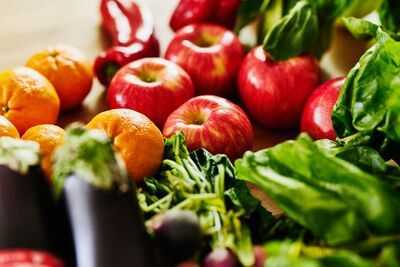
1. Fruits and vegetablesResearch shows that people who have diets high in fruits and vegetables have higher HDL cholesterol levels and a better total cholesterol ratio. They also have lower blood pressure and healthier blood sugar levels, all of which can be supportive to heart health.
Fruits and vegetables exert their positive effects by trapping free radicals.
Free radicals are highly reactive, unstable molecules that can cause damage to cells and trigger inflammation in the body. By preventing inflammation, this makes it possible for HDL cholesterol to continue doing its job of removing bad cholesterol and protecting the arteries.
 2. Oily fish and olive oil
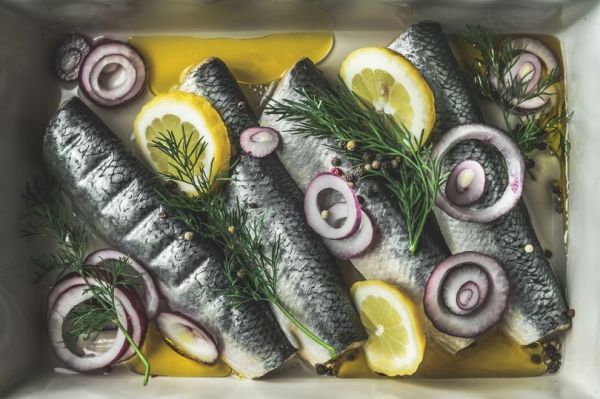
 Oily fish (such as salmon, sardines and tuna) and olive oil are rich in a type of fat called “polar lipids”.
These lipids are able to reach the bloodstream more quickly compared to other types of fat, allowing them to reduce inflammation and prevent the aggregation of platelets more effectively.
Cell and animal studies have shown that a diet rich in the polar lipids from oily fish is effective in preventing blood clots from forming. This effect can help cholesterol ratios stay balanced, meaning cardiovascular disease risk is lower.
 3. Fermented dairy
 Fermented dairy products, such as yoghurt, kefir and cheese, can all have a positive effect on HDL levels.
During fermentation, the lipids are broken down into smaller compounds that have a greater anti-inflammatory effect than milk. They can also be metabolised faster by the body.
Fermented dairy products are also rich in polar lipids, which means that they can considerably reduce cardiovascular risk.
Research found that for every 20g of fermented dairy products people consumed each day, there was a modest reduction in cardiovascular disease risk.
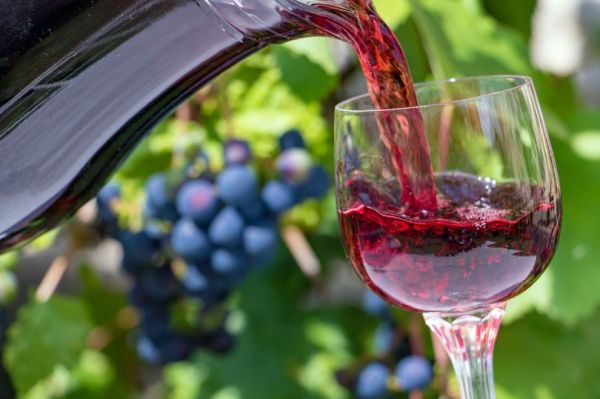
4. Red wineFinally, red wine is completely misunderstood. According to the latest research, moderate consumption of red wine (the equivalent of one to two small glasses per day) is linked with better HDL ratios.
Wine reduces inflammation when consumed in small quantities because it contains polar lipids. However, if wine intake is high, the negative, pro-inflammatory effect of alcohol outstrips the positive effect of the lipids.
This is why it’s important only to drink small amounts and in moderation – otherwise, alcohol can have many negative effects on the body. Indeed, the World Health Organization has said there is no safe level of alcohol consumption as the negatives, such as increased cancer risk even from light drinking, outweigh any positives.
Non-alcoholic wines also contain polar lipids. Research suggests that polar lipid extracts from non-alcoholic beverages have comparable benefits on preventing the formation of blood clots as their alcoholic counterparts.
Professor Zabetakis said: "Inflammation is a key factor in heart disease. By eating foods that reduce inflammation in the body, it’s possible to look after your heart health and lower cardiovascular disease by improving the ratio of HDL to LDL in the body."
Contact to : xlf550402@gmail.com
Copyright © boyuanhulian 2020 - 2023. All Right Reserved.