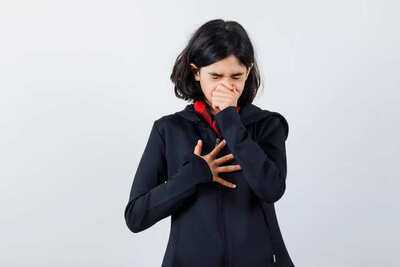
Feeling Tired or Dizzy?5 Hidden Heart Attack Signs That Could Save Your Life
Silent heart attacks are extremely dangerous because they often show very mild or no obvious symptoms but can cause significant heart damage. Many people mistake early signs for fatigue, stress, or minor discomfort and ignore them. Heart specialists emphasize that recognizing subtle warning signals is critical for prevention and timely treatment. Symptoms like unusual tiredness, mild chest pressure, shortness of breath, cold sweats, or nausea may indicate a silent heart attack. Awareness, early detection, and immediate medical attention can save lives. Taking action at the first sign protects your heart, prevents serious complications, and strengthens long-term cardiovascular health.
Unusual Fatigue

Persistent tiredness that appears without physical exertion can be an early warning of heart issues. The heart struggles to pump efficiently, reducing oxygen flow to muscles. Many people dismiss fatigue as stress or overwork, but when it is unusual or prolonged, it may indicate silent damage to heart tissue. Monitoring energy levels and seeking medical evaluation can prevent more severe consequences. Early detection improves recovery and reduces the risk of a major heart attack.
Mild Chest Discomfort
Silent heart attacks often do not show dramatic pain, making them dangerous and easy to ignore. Many people feel subtle chest discomfort that can appear as pressure, fullness, or a squeezing sensation. This mild discomfort may occur only during physical activity or emotional stress, so it is often dismissed as fatigue or stress. Ignoring these signs allows heart damage to progress silently. Cardiologists recommend that anyone experiencing unusual or persistent chest sensations seek medical evaluation immediately. Early detection and intervention can prevent severe complications, protect long-term heart health, and save lives. Awareness is key to prevention and safety.
Indigestion or Nausea
Silent heart attacks sometimes mimic digestive issues. Symptoms like nausea, heartburn, or bloating may appear unexpectedly. Many people overlook these signs as minor stomach problems. However, when these digestive symptoms occur frequently or in combination with fatigue or chest discomfort, they could indicate cardiac stress. Timely medical consultation helps differentiate heart-related issues from ordinary digestive discomfort.
Cold Sweats or DizzinessCold sweats, sudden dizziness, or feeling faint are subtle but serious indicators. These occur when the heart struggles to maintain blood flow efficiently. Ignoring these warning signs increases the risk of severe heart damage or sudden cardiac events. Observing these symptoms and seeking immediate medical attention can prevent further complications. Awareness and timely action are crucial for survival and recovery.
Sudden Sweating and LightheadednessSilent heart attacks are extremely dangerous because symptoms are often subtle and easy to ignore. Common warning signs include unusual fatigue, mild chest discomfort, shortness of breath, digestive problems, and cold sweats. Many people mistake these symptoms for stress or minor health issues, delaying critical treatment. Recognizing these signs early and consulting a medical professional can prevent severe heart damage and save lives. Heart experts emphasize awareness, prevention, and timely action as the most effective tools to protect cardiac health. Paying attention to your body and acting quickly is essential for long-term wellbeing.
Unlock insightful tips and inspiration on personal growth, productivity, and well-being. Stay motivated and updated with the latest at My Life XP.
Frequently Asked Questions (FAQs)
1. What is a silent heart attack?
A silent heart attack occurs when blood flow to the heart is blocked, but symptoms are mild or easily overlooked. Many people do not realize they are experiencing a heart attack.
2. What are the common signs of a silent heart attack?
Key signs include unusual fatigue, mild chest discomfort, shortness of breath, digestive issues such as nausea or indigestion, and cold sweats.
3. Who is at risk of silent heart attacks?
People with high blood pressure, diabetes, high cholesterol, obesity, smoking habits, or a family history of heart disease are at higher risk.
4. How can I prevent a silent heart attack?
Maintaining a healthy lifestyle, regular exercise, balanced diet, managing stress, and regular heart checkups can reduce risk.
5. What should I do if I notice these signs?
Do not ignore symptoms. Consult a doctor immediately for evaluation. Early detection and treatment can save your life and prevent serious heart damage.
Unusual Fatigue
Sudden, unexplained exhaustion may signal silent heart stress
Persistent tiredness that appears without physical exertion can be an early warning of heart issues. The heart struggles to pump efficiently, reducing oxygen flow to muscles. Many people dismiss fatigue as stress or overwork, but when it is unusual or prolonged, it may indicate silent damage to heart tissue. Monitoring energy levels and seeking medical evaluation can prevent more severe consequences. Early detection improves recovery and reduces the risk of a major heart attack.
Mild Chest Discomfort
Minor chest pressure or tightness can indicate silent heart strain
Silent heart attacks often do not show dramatic pain, making them dangerous and easy to ignore. Many people feel subtle chest discomfort that can appear as pressure, fullness, or a squeezing sensation. This mild discomfort may occur only during physical activity or emotional stress, so it is often dismissed as fatigue or stress. Ignoring these signs allows heart damage to progress silently. Cardiologists recommend that anyone experiencing unusual or persistent chest sensations seek medical evaluation immediately. Early detection and intervention can prevent severe complications, protect long-term heart health, and save lives. Awareness is key to prevention and safety.
Indigestion or Nausea
Unexplained shortness of breath may indicate heart distress
Silent heart attacks sometimes mimic digestive issues. Symptoms like nausea, heartburn, or bloating may appear unexpectedly. Many people overlook these signs as minor stomach problems. However, when these digestive symptoms occur frequently or in combination with fatigue or chest discomfort, they could indicate cardiac stress. Timely medical consultation helps differentiate heart-related issues from ordinary digestive discomfort.
Cold Sweats or DizzinessCold sweats, sudden dizziness, or feeling faint are subtle but serious indicators. These occur when the heart struggles to maintain blood flow efficiently. Ignoring these warning signs increases the risk of severe heart damage or sudden cardiac events. Observing these symptoms and seeking immediate medical attention can prevent further complications. Awareness and timely action are crucial for survival and recovery.
Sudden Sweating and LightheadednessSilent heart attacks are extremely dangerous because symptoms are often subtle and easy to ignore. Common warning signs include unusual fatigue, mild chest discomfort, shortness of breath, digestive problems, and cold sweats. Many people mistake these symptoms for stress or minor health issues, delaying critical treatment. Recognizing these signs early and consulting a medical professional can prevent severe heart damage and save lives. Heart experts emphasize awareness, prevention, and timely action as the most effective tools to protect cardiac health. Paying attention to your body and acting quickly is essential for long-term wellbeing.
Unlock insightful tips and inspiration on personal growth, productivity, and well-being. Stay motivated and updated with the latest at My Life XP.
Frequently Asked Questions (FAQs)
1. What is a silent heart attack?
A silent heart attack occurs when blood flow to the heart is blocked, but symptoms are mild or easily overlooked. Many people do not realize they are experiencing a heart attack.
2. What are the common signs of a silent heart attack?
Key signs include unusual fatigue, mild chest discomfort, shortness of breath, digestive issues such as nausea or indigestion, and cold sweats.
3. Who is at risk of silent heart attacks?
People with high blood pressure, diabetes, high cholesterol, obesity, smoking habits, or a family history of heart disease are at higher risk.
4. How can I prevent a silent heart attack?
Maintaining a healthy lifestyle, regular exercise, balanced diet, managing stress, and regular heart checkups can reduce risk.
5. What should I do if I notice these signs?
Do not ignore symptoms. Consult a doctor immediately for evaluation. Early detection and treatment can save your life and prevent serious heart damage.
Contact to : xlf550402@gmail.com
Copyright © boyuanhulian 2020 - 2023. All Right Reserved.