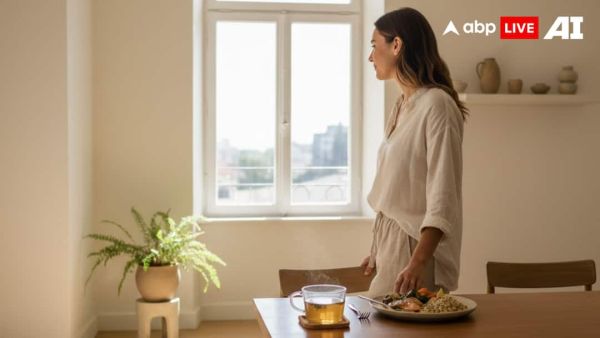
We’ve all been there. You enjoy a satisfying meal, only to be greeted minutes later by bloating, heaviness, or a nagging stomach ache. While what you eat certainly matters, what you do after eating plays an equally important role in digestion.
Preventing post-meal discomfort doesn’t require complicated routines or expensive supplements. A few smart, science-backed habits can dramatically improve digestion, reduce gas, and keep your gut calm. If you often struggle with stomach aches after eating, these five easy post-meal habits could make all the difference.
7 ‘Natural’ Supplements That May Damage Your Liver And Kidneys
1. Take A Gentle 10–15 Minute Walk

One of the simplest and most effective ways to prevent stomach discomfort after meals is light movement. A slow, relaxed walk helps stimulate digestion by encouraging food to move smoothly through the digestive tract. When you sit or lie down immediately after eating, your body’s digestive processes may slow, potentially leading to bloating or acid reflux. Walking, on the other hand, enhances blood circulation and supports gut motility. The key is moderation, this isn’t the time for an intense workout. A gentle stroll around your home or neighborhood is enough.
2. Avoid Lying Down Immediately

It might be tempting to curl up on the couch after a satisfying meal, but lying flat too soon can increase the risk of acid reflux and stomach discomfort. When you recline immediately, gravity no longer helps keep stomach acids where they belong. This can result in heartburn, chest discomfort, or a sour taste in the mouth. Experts recommend waiting at least two to three hours before lying down, especially after a heavy meal. If you feel tired, try sitting upright or using cushions to maintain an elevated posture. Keeping your upper body slightly raised supports smoother digestion and reduces pressure on the stomach.
3. Sip Warm Water Or Herbal Tea
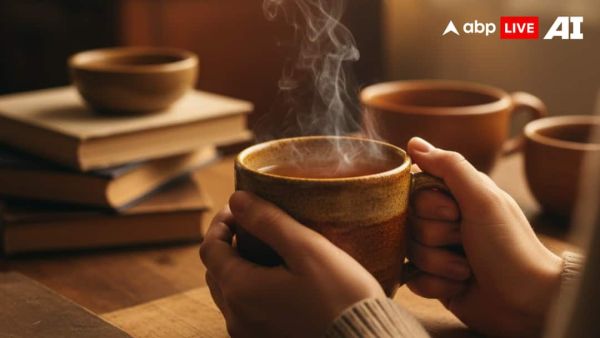
Hydration supports digestion but how you hydrate matters. Instead of gulping down large amounts of cold water immediately after eating, opt for small sips of warm water or herbal tea. Warm liquids can help relax digestive muscles and ease bloating. Herbal teas like peppermint, ginger, or chamomile are traditionally known for their soothing effects on the stomach. Ginger, in particular, may help stimulate digestive enzymes and reduce nausea. Peppermint can ease gas and abdominal cramping, while chamomile promotes relaxation. However, moderation is key. Drinking excessive fluids right after a meal may dilute digestive juices. The goal is gentle support, not overwhelming the system.
4. Practice Deep Breathing For 5 Minutes

Stress and digestion are deeply connected. When you eat in a rushed or anxious state, your body prioritises “fight or flight” responses over proper digestion. That’s where mindful breathing comes in. Spending just five minutes focusing on slow, deep breaths after a meal can activate the parasympathetic nervous system, often called the “rest and digest” mode. Inhale deeply through your nose, hold for a few seconds, and exhale slowly through your mouth. This simple technique encourages better blood flow to digestive organs and can reduce cramping or bloating.
5. Don’t Rush, Give Your Body Time

Modern lifestyles often encourage multitasking, eating while scrolling, working, or watching TV. But rushing through meals or immediately diving back into stressful tasks can disrupt digestion. After finishing your meal, take a few minutes to sit calmly. Avoid jumping straight into intense physical or mental activity. Let your body focus on breaking down food. Even five to ten minutes of quiet sitting can help prevent stomach strain. Mindful eating doesn’t end with the last bite. It extends into how you transition afterward.
[Disclaimer: The information provided in the article is intended for general informational purposes only. It is not a substitute for professional medical advice, diagnosis, or treatment. Always seek the advice of your physician or other qualified healthcare provider with any questions you may have regarding a medical condition.]
Contact to : xlf550402@gmail.com
Copyright © boyuanhulian 2020 - 2023. All Right Reserved.