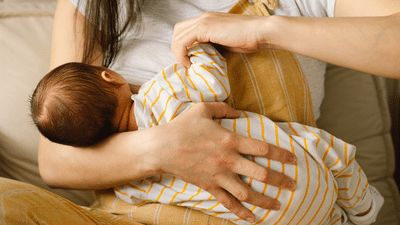
How Travel, Heat, and Hydration Impact Breastfeeding Success
Breastfeeding is a natural process, but it is also sensitive to changes in your environment and routine. Your body responds differently when you travel or when it's hot. You may also consume less fluid, which can affect your milk flow and feeding.
You can plan for such challenges once you know what influences your breastfeeding success. It will also help you respond calmly to the changes rather than spending time worrying.
Why Does Travel Affect Breastfeeding Routines?Travel disrupts your daily routine, so feeding times may change as well. You may rest less, and stress increases. These factors can influence breastfeeding. You may produce less milk due to dehydration, fatigue or a delay in feeding. Babies may also react to new surroundings by feeding more or less to feel more comfortable.
You may miss pumping or feeding sessions if you go on a long journey of about 4-6 hours. If you do not manage it properly, this can affect your milk supply.
Physical strain and fatigue
You may feel exhausted if you carry luggage or sit for long hours without enough sleep. Fatigue may slow your milk let-down reflex, making feeds feel harder.
Emotional stress and routine disruption
Cortisol, a stress hormone, interferes with oxytocin, a hormone responsible for milk release. So, your milk flow may reduce if you are rushed or feeling anxious about travel.
How Does Heat Influence Breastfeeding Comfort and Milk Supply?Heat can be demanding on your body. Your body works harder to regulate temperature when it rises above 30°C. It uses more fluids and energy.
You may notice that both you and your baby feel uncomfortable during feeds in hot weather. Babies may unlatch or feed for shorter periods.
Increased fluid loss
You lose water through sweat in hot conditions. You may experience mild dehydration if you do not replace the fluid loss, which can temporarily reduce milk volume.
Changes in baby feeding patterns
Babies may feed more during the heat. It does not mean your milk is insufficient. Breast milk is 88% water, and babies meet their hydration needs by feeding frequently.
Why Is Hydration Essential for Breastfeeding Success?Your body needs fluids to produce milk. Drinking extra water does not dramatically increase supply, but dehydration can reduce it.
If you are a breastfeeding mother, your fluid needs are around 2.5–3 litres daily. This includes water, soups, milk, and fruits with high water content.
You may notice dark urine, dizziness, dry mouth, and fatigue due to poor hydration. These signs should not be ignored during breastfeeding.
Hydration and milk composition
Breast milk does not degrade in quality when you are mildly dehydrated, but volume may decrease if dehydration continues.
Listening to thirst signals
You may feel thirsty during feeds, but take this as a sign to drink water or fluids.
What Can You Expect When These Factors Combine?Travel, heat, and dehydration occur together. For example, travelling during summer can make you feel them with more intensity.
You may notice the following changes:
Planning feeding opportunities
Try to feed or pump every 2–3 hours, especially on long journeys. This protects the supply and prevents engorgement.
Clothing and comfort
Wear breathable fabrics and nursing-friendly clothes. This type of clothing will help you relax, which supports milk flow.
Partner and family support
Ask for help with luggage or baby care to reduce stress and physical strain.
What Steps Help You Breastfeed Safely in Hot Weather?You may have to make simple changes.
Cooling strategies
When you need to feed, look for a shaded spot outdoors. Place your baby on a light cloth to avoid sweating.
Skin care and hygiene
You may develop heat-related skin irritation. So, keep breasts clean and dry to reduce the risk of infection.
How Can You Stay Properly Hydrated While Breastfeeding?Try to maintain your hydration consistently throughout the day.
Practical hydration habits
Drink a glass of water at every feed or carry a refillable bottle when travelling. Include foods such as watermelon, cucumber, and soups, as they are high in water.
Avoiding excessive caffeine
High caffeine intake may increase fluid loss and affect the baby's sleep. So, keep it under 200 mg per day.
When Should You Seek Medical Advice?
Travel, heat, and hydration can influence breastfeeding, but do not let these factors stop you. You can manage challenges effectively with planning and support while also protecting your milk supply. You can respond to your body's needs confidently when you know what it wants.
Whether you’re pregnant, a new mom, or navigating postpartum, you don’t have to do it alone. Join our support group to connect, share, and support one another.
FAQs on How Travel, Heat, and Hydration Impact Breastfeeding Success?
Can hot weather permanently reduce breast milk supply?
Any reduction is usually temporary and improves with hydration, rest, and frequent feeding.
Should babies drink water instead of being fed more in the heat?
Babies under six months do not require water, no matter how hot the weather gets, as breastmilk is sufficient for them.
Is pumping necessary during travel if the baby feeds less?
Yes, because pumping can maintain your supply if feeds are missed during travel.
You can plan for such challenges once you know what influences your breastfeeding success. It will also help you respond calmly to the changes rather than spending time worrying.
Why Does Travel Affect Breastfeeding Routines?Travel disrupts your daily routine, so feeding times may change as well. You may rest less, and stress increases. These factors can influence breastfeeding. You may produce less milk due to dehydration, fatigue or a delay in feeding. Babies may also react to new surroundings by feeding more or less to feel more comfortable.
You may miss pumping or feeding sessions if you go on a long journey of about 4-6 hours. If you do not manage it properly, this can affect your milk supply.
Physical strain and fatigue
You may feel exhausted if you carry luggage or sit for long hours without enough sleep. Fatigue may slow your milk let-down reflex, making feeds feel harder.
Emotional stress and routine disruption
Cortisol, a stress hormone, interferes with oxytocin, a hormone responsible for milk release. So, your milk flow may reduce if you are rushed or feeling anxious about travel.
How Does Heat Influence Breastfeeding Comfort and Milk Supply?Heat can be demanding on your body. Your body works harder to regulate temperature when it rises above 30°C. It uses more fluids and energy.
You may notice that both you and your baby feel uncomfortable during feeds in hot weather. Babies may unlatch or feed for shorter periods.
Increased fluid loss
You lose water through sweat in hot conditions. You may experience mild dehydration if you do not replace the fluid loss, which can temporarily reduce milk volume.
Changes in baby feeding patterns
Babies may feed more during the heat. It does not mean your milk is insufficient. Breast milk is 88% water, and babies meet their hydration needs by feeding frequently.
Why Is Hydration Essential for Breastfeeding Success?Your body needs fluids to produce milk. Drinking extra water does not dramatically increase supply, but dehydration can reduce it.
If you are a breastfeeding mother, your fluid needs are around 2.5–3 litres daily. This includes water, soups, milk, and fruits with high water content.
You may notice dark urine, dizziness, dry mouth, and fatigue due to poor hydration. These signs should not be ignored during breastfeeding.
Hydration and milk composition
Breast milk does not degrade in quality when you are mildly dehydrated, but volume may decrease if dehydration continues.
Listening to thirst signals
You may feel thirsty during feeds, but take this as a sign to drink water or fluids.
What Can You Expect When These Factors Combine?Travel, heat, and dehydration occur together. For example, travelling during summer can make you feel them with more intensity.
You may notice the following changes:
- More frequent baby feeds
- Slower milk let-down
- Breast fullness or discomfort
- Increased fussiness at feeding time
Planning feeding opportunities
Try to feed or pump every 2–3 hours, especially on long journeys. This protects the supply and prevents engorgement.
Clothing and comfort
Wear breathable fabrics and nursing-friendly clothes. This type of clothing will help you relax, which supports milk flow.
Partner and family support
Ask for help with luggage or baby care to reduce stress and physical strain.
What Steps Help You Breastfeed Safely in Hot Weather?You may have to make simple changes.
Cooling strategies
When you need to feed, look for a shaded spot outdoors. Place your baby on a light cloth to avoid sweating.
Skin care and hygiene
You may develop heat-related skin irritation. So, keep breasts clean and dry to reduce the risk of infection.
How Can You Stay Properly Hydrated While Breastfeeding?Try to maintain your hydration consistently throughout the day.
Practical hydration habits
Drink a glass of water at every feed or carry a refillable bottle when travelling. Include foods such as watermelon, cucumber, and soups, as they are high in water.
Avoiding excessive caffeine
High caffeine intake may increase fluid loss and affect the baby's sleep. So, keep it under 200 mg per day.
When Should You Seek Medical Advice?
- Consulting your doctor becomes necessary in the following conditions:
- Constant drop in milk supply
- Signs of dehydration
- The baby is producing fewer than 6 wet diapers daily
- Breast pain, redness, or fever
- Feed or pump regularly, even during travel
- Drink fluids consistently throughout the day
- Rest whenever possible
- Keep the baby cool during feeds
- Accept help from family or a partner
- Watch the baby's urine output and alertness
Travel, heat, and hydration can influence breastfeeding, but do not let these factors stop you. You can manage challenges effectively with planning and support while also protecting your milk supply. You can respond to your body's needs confidently when you know what it wants.
Whether you’re pregnant, a new mom, or navigating postpartum, you don’t have to do it alone. Join our support group to connect, share, and support one another.
FAQs on How Travel, Heat, and Hydration Impact Breastfeeding Success?
Any reduction is usually temporary and improves with hydration, rest, and frequent feeding.
Babies under six months do not require water, no matter how hot the weather gets, as breastmilk is sufficient for them.
Yes, because pumping can maintain your supply if feeds are missed during travel.
Contact to : xlf550402@gmail.com
Copyright © boyuanhulian 2020 - 2023. All Right Reserved.