Initially, I assumed I simply had a feeble bladder. Then I suspected a UTI. Then another, and another. Yet each time I submitted a urine sample, it returned normal. I was informed I was stressed. I was told it was anxiety. I was instructed to drink more water, less water and simply relax.
It reached the point where everyone around me, including the GPs, insisted it was merely in my mind. I had begun to persuade myself that there was something psychologically wrong with me, but deep within, I recognised there was something else, reports the Express.
I felt 16 with the bladder of somebody seven decades my senior. What nobody mentioned was that I might have interstitial cystitis. For seven lengthy years, I existed in a body with chronic pain that felt like it was betraying me.
- Doctors unable to save two-year-old girl after she swallowed a battery
- NHS rule lets people with seven conditions skip queue for GP - full list
Interstitial cystitis, also referred to as IC, also known as painful bladder syndrome, is a very inadequately understood condition. It presents similar symptoms to a urine infection, such as persistent urgency, bladder pain and pelvic pain, according to the NHS, but the distinction is that I endure these symptoms 24/7.
It resembles a UTI; symptoms can appear and disappear in flares, and stress can aggravate it, but urine tests return clear. What renders it even more baffling is that women over the age of 40 are typically the ones diagnosed.
However, it isn't merely a weak bladder; it isn't psychological, and it isn't simply an overactive bladder. IC is a long-term inflammatory bladder condition, and diagnosis can take years because there's no straightforward test available, nor has it been widely recognised as a condition in the UK.
Over seven years, I was given antibiotics I didn't require. I experimented with cranberry tablets. I eliminated caffeine, alcohol, citrus fruits and acidic foods from my diet, yet the symptoms persisted.
It was only when I concluded the NHS couldn't offer further help that I sought private treatment. I underwent a cystoscopy and bladder hydrodistention under anaesthetic, which involved inserting a camera into the bladder to examine the lining, whilst my bladder was gently stretched due to its reduced capacity.
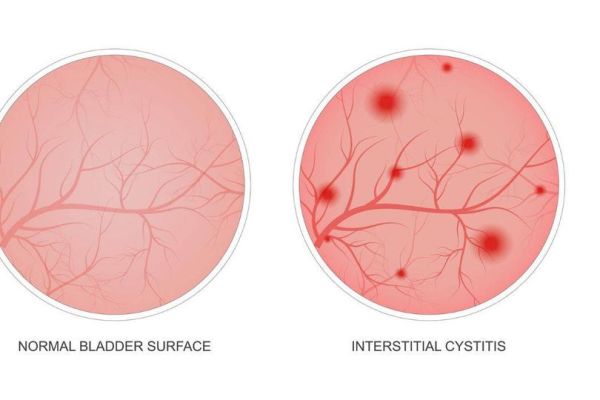
This revealed chronic interstitial cystitis and Hunner's lesions. Hunner's lesions are distinctive inflammatory patches found on the bladder lining. Put simply, I was told they resembled ulcers, and when my bladder was stretched, these areas cracked and bled. It explained the severe pain, intense urgency, flares that felt sharp and discomfort when my bladder was full.
The relief I experienced upon learning I wasn't losing my mind was immense, but this quickly faded when I was informed there wasn't a cure or much available treatment in the UK.
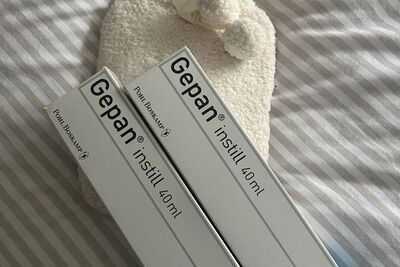
One of my treatments involves medication being inserted directly into my bladder, something I never envisaged needing in my 20s. I still undergo this once a week, and whilst it does provide some relief, it's painful and uncomfortable.
I've also undergone around four cystoscopies as well as bladder hydrodistentions, and I'm on numerous medications, but the truth is, it's simply something I've had to learn to manage.
During the early stages, it meant cancelling plans, missing university, navigating the dating world as a young woman with a chronic condition, and losing friendships. I had to explain my bladder problems, and at that age, it was incredibly embarrassing.
Teachers wouldn't let me use the toilet, and I had to sit exams in separate rooms with no one understanding. It meant using the disabled toilet with a radar key despite appearing perfectly fine on the outside, and receiving strange looks and remarks.
Now in my late 20s, I've adapted to living with it, but it still means occasionally missing work because the pain is unbearable and I can't get out of bed, it still means missing social plans, and it means my circle of friends is smaller than ever. I also have to plan road trips and holidays with meticulous precision, plotting out every possible toilet stop.
Managing the condition involves dietary changes, pelvic floor therapy, medication, identifying triggers and learning to pace myself. I occasionally have bladder botox and acupuncture, though I don't find these particularly helpful.
I'm currently on the waiting list for my fifth cystoscopy, but the wait could stretch to two years. To this day, when healthcare professionals ask whether I have any long-term health conditions, and I mention that I have interstitial cystitis, many remain unfamiliar with it.
The trouble with having "cystitis" in the title is that people instantly assume it's related to cystitis. The truth is, it's vastly, vastly different.
However, I've discovered how to speak up for myself in healthcare environments. I've discovered that "normal test results" don't necessarily mean everything is fine.
Most crucially, I've discovered that chronic conditions don't always appear dramatic on the surface; they can silently reshape your entire existence.
If you're repeatedly being told your symptoms are merely stress, keep persisting. If you feel brushed aside, request a second opinion, and if you sense something isn't right, believe yourself.
It's not exclusively women who suffer from this condition, either - men can also develop IC.
The NHS labels it bladder pain syndrome, but after seven years of battling to be taken seriously, that description feels far too small to me. Seven years was a lengthy period to wait for recognition, and I'm aware that many other IC sufferers have endured the same ordeal.
Symptoms of ICbladder pain or pain in your lower tummy or back
feeling like you need to pee, even when your bladder is empty
peeing often, usually just small amounts, during the day
waking up at night to pee
leaking out a small amount of pee if you do not get to a toilet quickly enough
If you experience any of these symptoms, it's recommended to contact your GP.
Contact to : xlf550402@gmail.com
Copyright © boyuanhulian 2020 - 2023. All Right Reserved.