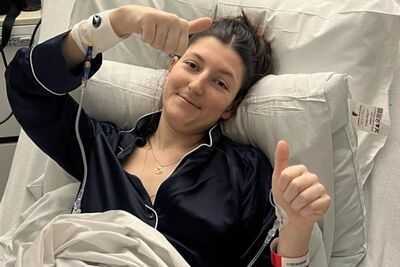
A woman who originally visited her GP complaining of bloating and hip discomfort faced a wait of up to 12 months for a hospital referral - only to discover she had stage 4 cholangiocarcinoma. The diagnosis is commonly referred to as 'bile duct cancer'.
Tamara Mulley, who is now 29, but was 27 at the time, explained that medics initially suspected she might have "something like endometriosis" back in February 2023, prompting a referral to a gynaecologist. However, when the appointment finally came around 10 months down the line in December 2023, Tamara revealed she'd developed a "really bad cough", exhaustion and weight loss.
She then received her cancer diagnosis just one month afterwards. The London resident and Heathrow Airport employee described feeling "helpless" upon being informed that she had "two years to live" in January 2024, though surpassing that "milestone" last month proved to be a "real moment" for her, spurring her on to go public with her experience.
- Mystery as 'precious daughter', 22, dies after being briefly left alone in hospital
- Woman who took in homeless man woke up covered in boiling sugar water
Tamara recalled first noticing bloating at age 16, something she'd raised with medical professionals on multiple occasions over the years. When she abruptly began suffering from hip pain and tiredness in January 2023, Tamara admitted she initially assumed she'd "niggled" herself during a gym session.
Come February, Tamara sought medical attention as the hip pain showed no signs of improvement. This led her to commence physiotherapy and to secure a gynaecology referral, though she claims she wasn't informed of potential waiting times for the latter.
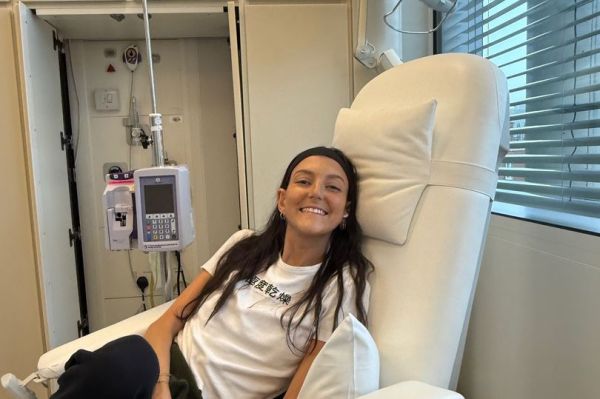
Over the ensuing months, Tamara revealed she pursued the appointment "a couple of times" as her hip pain escalated to the extent that she required an emergency GP visit in October for pain relief. Speaking to PA Real Life, Tamara shared: "It wasn't until December of 2023 that I got a really bad cough and the symptoms from that really floored me, more than I'd ever been impacted by a cough before.
"Normally, you can get on with your life, but I was feeling really fatigued. I couldn't stand up for a long period of time at work and if I was going to someone else's desk, I would have to sit down. And I just thought, 'this isn't normal'."
Tamara said that her GP had no appointments available, but when she noted she was experiencing "breathless" symptoms, they advised her to head to A&E. During the visit, Tamara said doctors performed an X-ray, which showed a "little shadow", and they urged her to return later for further investigation via a CT scan.
"It was at that appointment that I started to think that this could be something like cancer," Tamara admitted, although doctors were still uncertain. She said her suspicions grew when she received a phone call a few days later instructing her to visit The Cancer Centre at Guy's Hospital in London for a PET scan, but reassuring her not to fret, as it didn't necessarily indicate she had cancer.
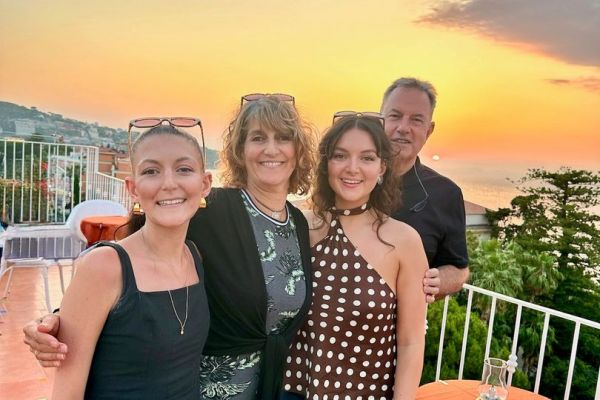
Around that period, Tamara revealed she was finally scheduled for her gynaecology hospital appointment – a full 10 months after initially requesting it – though she eventually chose to continue with her existing medical examinations. Then, on December 23, Tamara received her devastating stage 4 cancer diagnosis.
"[The scans] showed that the cancer had already spread to my hip, my spine, my collarbone, multiple tumours in my lungs and quite a large tumour in my liver, among other places. When I saw [the scans], it lit up like a Christmas tree. It was just kind of everywhere," she recalled.
Tamara explained that doctors couldn't pinpoint where her cancer had started, meaning they were unable to devise a treatment strategy until she underwent a lung biopsy on December 27, with results arriving during the third week of January 2024.
Tamara said this waiting period was the "hardest time" throughout her entire cancer experience. She felt "quite anxious" about potential growth or deterioration.
At her January consultation with a specialist, Tamara discovered her cancer was cholangiocarcinoma (stemming from her bile duct), that it was "incurable", and was told "you'll be lucky if you're sitting here in two years".
The NHS lists the primary symptoms of cholangiocarcinoma as jaundice, itchy skin, darker urine and paler stools than normal, loss of appetite, unexplained weight loss, exhaustion, and elevated temperature – yet Tamara only experienced two of these: weight loss and exhaustion. Commencing immunotherapy alongside an initial eight cycles of chemotherapy, Tamara revealed she reacted positively to the treatment, prompting doctors to extend it to 15 rounds - effectively granting her an additional six months.
Tamara said she managed to keep her hair, something she was "so thankful" for, though severe exhaustion meant she required blood transfusions. The 29-year-old explained she was still able to pursue activities she cherished, whether that meant heading into work to keep her thoughts occupied or enjoying evenings out with mates.
When chemotherapy ceased to be effective for Tamara, she described herself as "lucky enough" to now be participating in a clinical trial named First-308. It is a targeted treatment which she noted has "actually started to shrink" certain tumours.
Reflecting on surpassing medical predictions regarding her condition, Tamara said: "Passing that two-year mark was a real moment for me and one that I'm really proud of achieving. It goes to show that, although there's still a huge amount of work to be done with cholangiocarcinoma – because it's under researched and underfunded – there is hope. My ultimate hope is for a cure to be found.
"I like to say that, within my bubble of unluckiness, I am the luckiest person in the world. I'm so thankful for the amazing medical teams who've been in charge of my care and that I have outlived that initial expectation. My focus now is just to continue with that.
"I always say to my doctor, you only need to keep me alive long enough for the next drug to come out, for the next discovery to be made. And hopefully, if you do that enough times, at some point they're going to find a cure. I'm realistic about my situation, but I choose to remain positive."
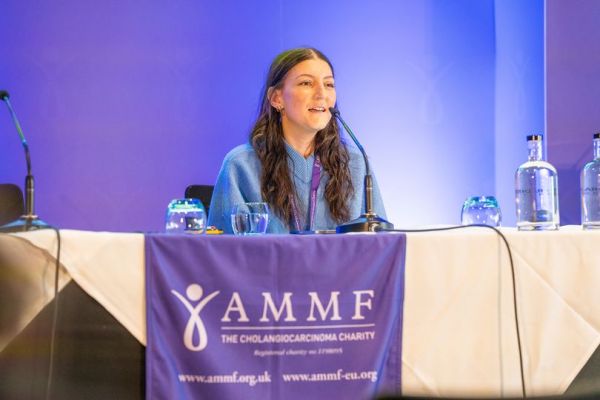
Tamara is backed by AMMF, the sole UK-registered charity committed to fundraising for research into cholangiocarcinoma. Last year, she attended the charity's annual conference, where she shared her diagnosis and treatment journey, and she will be heading to the House of Commons with AMMF to engage with MPs and NHS leaders at a Rethink Liver Cancer meeting on February 25.
"Too many people with cholangiocarcinoma are diagnosed (when) it's already stage four, and at that point it is too late," Tamara expressed. "However, if it is found at stage one or stage two, it is survivable."
According to figures released by NHS England's National Disease Registration Service, two-thirds of patients with cholangiocarcinoma in England do not receive any cancer treatment.
Tamara further stated: "I'm really passionate that anyone who gets diagnosed with this in the future is not essentially handed a death sentence, and that they are given an opportunity to access the right treatment at the right time, to give them the best possible outlook."
For more information about AMMF, visit its website here.
What are the symptoms of cholangiocarcinoma?
Bile duct cancer may not have any symptoms, or they can be hard to spot. Symptoms of bile duct cancer can include:
- the whites of your eyes turning yellow or your skin turning yellow, which may be less obvious on brown or black skin (jaundice)
- itchy skin
- darker pee and paler poo than usual
- loss of appetite or losing weight without trying to
- feeling generally unwell
- feeling tired or having no energy
- a high temperature, or you feel hot, cold or shivery
Other symptoms can affect your tummy, such as feeling or being sick and pain in your tummy. The NHS says: "Many of these symptoms are very common and can be caused by different conditions. Having them does not definitely mean you have bile duct cancer. But it's important to get them checked by a GP. This is because if they're caused by cancer, finding it early may mean it's easier to treat."
Contact to : xlf550402@gmail.com
Copyright © boyuanhulian 2020 - 2023. All Right Reserved.