
Health experts have issued an important cold-weather warning for four groups of people. The alert comes as the cold was recently linked to the deaths of 1,630 people in just six days.
According to the latest data from the UK Health Security Agency (UKHSA), a total of 2,544 deaths in England were associated with cold weather across three episodes recorded between November 2024 and January 2025. Themost severe episode was a six-day period in early January, which accounted for 1,630 deaths.
Shorter episodes in November and early January were associated with 421 and 493 deaths, respectively. Older people were most affected, with those aged 85 and over most at risk.
- NHS rule lets people with seven conditions skip queue for GP - full list
- Nottingham woman becomes richest person in the world – but there is one catch
Men also had a higher number of cold-associated deaths (1,439) than women (1,117). And circulatory diseases caused the highest number of cold-related deaths, with 834 deaths linked to conditions such as heart disease.
The majority of deaths (975) happened in hospitals, although theincrease in risk during cold weather was greater for people in care homes and those who died at home. Dr Agostinho Sousa, head of extreme events and health protection at UKHSA, said: “Cold weather remains a serious and preventable risk to public health.
“This report provides important new evidence on how cold affects mortality, helping to ensure that Cold Weather Alerts and preparedness measures are grounded in evidence of health impact. The findings suggest that even short periods of cold can lead to significant increases in mortality, often days or weeks after the temperature drops.
“Understanding who is most affected and how these risks are changing helps us better target winter preparedness, support vulnerable groups, and ensure that cold weather alerts reflect real health impacts, not just weather conditions.”
The UKHSA named four groups of people most at risk from cold weather. These are:
- People aged 65 years and over
- People with cardiovascular or respiratory conditions
- People with dementia
- People living in poorly insulated homes or experiencing fuel poverty
The UKHSA warned that when comparing recent winters with the previous five-year period, the findings suggest people may “now be more vulnerable” to cold, with the risk of death rising more sharply as temperatures drop. This is thought to be the result of a combination of factors, including the ageing population and burden of disease.
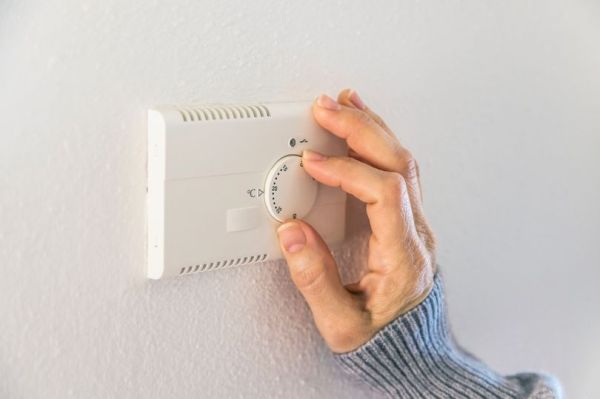 Staying warm at home
 To stay warm at home, the UKHSA recommends you:
- Try to heat rooms you spend a lot of time in, such as the living room or bedroom, to at least 18C
- Try to reduce draughts; you can fit draft excluders around doors cheaply
- Keep your bedroom windows closed at night
- Wear several layers of thinner clothing; this could keep you warmer than one thicker layer
The UKHSA added: “If you are worried about your health or feeling down, contact your local pharmacist, NHS 111 or your GP, who will all be able to offer advice and support. In an emergency dial 999.”
Contact to : xlf550402@gmail.com
Copyright © boyuanhulian 2020 - 2023. All Right Reserved.