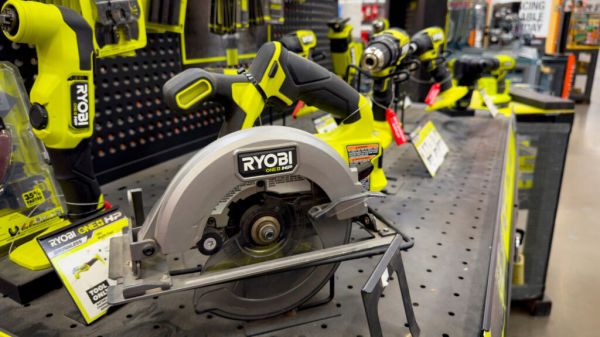
In the current power tool market, the number of options available to consumers can be a bit dizzying. But among the major power tool manufacturers, Ryobi is a name that many DIYers have come to trust implicitly when it comes to delivering power, durability, and overall quality. In turn, the brand has become a major player in the consumer tool arena, even as its availability in the brick-and-mortar retail sector is limited exclusively to The Home Depot.
It is, however, becoming increasingly important for consumers to be conscious of best practices when it comes to purchasing one device or another. To that end, there are a lot of factors you need to consider before you add one of those green machines to your shopping cart. There are also a few notable pitfalls you’d be wise to try to avoid when you opt for Ryobi products at the point of purchase. And as many power tool consumers might be quick to tell you, failure to avoid these common mistakes can easily be a make-or-break prospect in terms of how you feel about your Ryobi purchase after the fact.
Ensure you’re buying the real deal
While the options to buy a Ryobi-branded power tool in a brick-and-mortar retail environment are limited, there are a few other avenues available to consumers who are looking to purchase products online. In particular, you can now purchase official Ryobi products through various online outlets, including The Home Depot, Walmart, Amazon, and, of course, its online store.
While you can be certain you are paying up for the real Ryobi deal through the Techtronic Industries-owned tool brand’s online outlet and big boxers like The Home Depot and Walmart, it can actually be pretty easy these days to buy an off-brand imposter through Amazon. To be clear, we do not believe Amazon sellers are actively attempting to fleece potential buyers with fake Ryobi products. This is only because the online retail site has proven pretty good at sniffing out scam sellers.
There are, however, a few second-tier power tool brands that are manufacturing items that look a lot like Ryobi products, right down to the brand’s official color scheme. It is easy enough to avoid making this mistake by double-checking the item’s Amazon listing for Ryobi’s name and branding before you add it to your cart. Likewise, it’s worth doing a double-take on the name brand if an item’s sticker price seems too good to be true. You can also ensure you’re buying real Ryobi products by purchasing them directly through the brand’s official Amazon storefront.
Don’t forget to do a price check
Kirkam/Shutterstock
For reasons that should be obvious to any consumer, it would be wise to do a little bargain shopping and price-comparing before going through the checkout process. Nothing can be more frustrating for a shopper than to purchase an item in one retail outlet, only to see it listed for considerably less through another seller.
Now, given the fairly limited list of outlets that actually sell tools from Ryobi, bargain shopping for Ryobi gear should require less research than with some of its competitors. After all, if you’re looking to buy Ryobi tools in-store, you can only do so at The Home Depot. As mentioned for online shopping, your official Ryobi points of purchase are generally limited to The Home Depot, Ryobi, Walmart, and Amazon.
Depending on the day, any one of those retailers might be running some sort of seasonal sales special, offering a discount code, or even a “free tool with purchase” deal that reduces the price lower than one of those competing outlets. It should, however, be easy enough to find any sales prices by visiting each of those sites to verify the cost before you proceed with a purchase. And yes, “in-store only” sales should also be listed on The Home Depot’s web store. To that end, you might also find the low prices you’re looking for by visiting Direct Tools Factory Outletwhich sells factory blemished and reconditioned Ryobi tools at a reduced price.
Always study up on your warranty coverage
Warranty coverage should be something that every consumer takes into account when they’re looking to purchase a Ryobi-branded device. In all fairness, that remains true for devices from any other manufacturer as well, because there’s always a chance that said tool either won’t work right out of the box, or malfunction due to some manufacturing defect soon after. Should that happen, you’ll want to ensure you have some recourse with either Ryobi or the seller about remedying the issue without further financial commitment from you.
Given how much you might be expected to pony up for certain Ryobi devices, it’s hard to put a price on that sort of consumer peace of mind. It should, however, be noted that not every Ryobi tool is backed by the same warranty coverage. In fact, coverage can vary pretty significantly from one device to the next, so it’s always smart to know exactly where you stand with the brand when something goes wrong with either the device or its lithium-ion battery pack.
For point of reference, non-powered Ryobi hand tools generally come with a limited lifetime warranty. Meanwhile, powered devices are generally backed by a two, three, or five-year limited warranty. If your issue qualifies for coverage, Ryobi may offer to repair or outright replace the item free of charge. Depending on where you purchase the product, you may also have a hassle-free return window. You can read more about Ryobi’s coverage by visiting the Warranties page on the brand’s official website.
Buying the wrong battery packs can be easy
Since Milwaukee Tools invented lithium-ion battery tech, it has become the power source of choice for most of the major players in the power tool arena. That includes Ryobi, whose lineup of powered devices almost exclusively runs on its own rechargeable lithium-ion technology. While the brand’s battery-powered gear is, generally, well regarded for overall quality at their price point, the brand now has several different tiers of lithium-ion battery packs to choose from, including 4V USB, 18V, 40V, and 80V variants. That fact can indeed make it a little confusing for even some Ryobi diehards to keep track of which battery powers what device.
The good news on that front is that Ryobi batteries in each of its lithium-ion sectors are generally designed to be shareable between devices in each corresponding sector of the tool. So, if you have 18V One+ tools in your arsenal, you’d be wise to buy 18V tools, as that might save you the need to pay extra for additional batteries. But for that to work with any of Ryobi’s battery-powered tools, you need to be patently aware of what batteries actually work with your devices before you get to the checkout.
Thankfully, buying the wrong battery or device is one of the easier mistakes you can avoid, as Ryobi’s powered tools are, in general, very clearly marked to display the required power source. Just be sure you verify before you buy, because those battery packs are not cheap.
You may sacrifice value if you buy certain items separately
Even as Ryobi is considered a more budget-friendly option, its powered tools, batteries, and chargers tend to be pricey. As such, it’s worth doubling down on our suggestion that you should do a deep dive on prices between various official retailers before you consider purchasing Ryobi-branded tools from one or the other.
While you’re doing your research for seasonal sale prices and discount codes, you’d be wise to conduct a separate search for any sort of packaged kits that might be listed as well. That’s because you can often save a noticeable amount when tools are sold in kits that include necessary extras like a battery and a charger. Such savings will, of course, vary depending on the tool and the seller, but you can verify any potential savings by simply tracking down the items included in the kit separately online, then adding them to your cart both as the kit and individually. Those savings may be negligible, and in some cases non-existent, but budget-minded consumers would no doubt agree that any reduction in price on Ryobi gear is worth the limited effort required to verify.
Similarly, Ryobi and other retailers may take the kit approach beyond just batteries and accessories, sometimes offering entire sets of Ryobi’s powered tools together in one package. While those kits can deliver some sticker-shock, the ultimate savings may be substantial enough to make it worth the initial investment, particularly for those who are just putting together their first powered tool set.