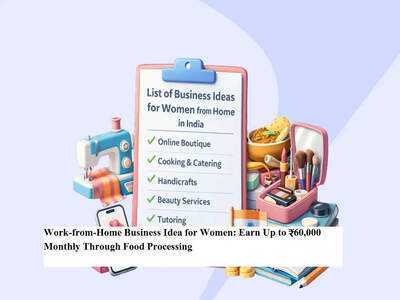
In the rapidly evolving economic landscape of India, women are showcasing their talents across various sectors. From bustling cities to remote villages, many are emerging with creative ideas and entrepreneurial zeal. However, a significant issue in rural regions remains — the waste of locally grown fruits and vegetables due to inadequate storage, processing knowledge, and limited market access.
Innovative Training for Rural Women
A remarkable initiative has taken root in the Taldanga region of West Medinipur, where women have undergone specialized training to become self-sufficient entrepreneurs. The Food Engineering Department at a prominent institute organized a workshop focused on helping women commercialize traditional food products made at home.
Empowering Women with Modern Techniques
The primary goal of this program was to provide participants with contemporary food-processing skills, quality control methods, and essential business knowledge. By merging traditional practices with scientific approaches, the initiative aims to foster sustainable livelihoods for women.
Maximizing Seasonal Produce
During the training sessions, women learned to effectively utilize locally sourced produce such as mangoes, lemons, papayas, and mushrooms. Often, during peak harvest times, excess fruits and vegetables are sold at minimal prices or spoil due to oversupply.
Creating Value-Added Products
The workshop illustrated how these raw ingredients can be transformed into value-added products, including:
- Jams
- Jellies
- Pickles
- Squashes
- Preserved food items
This innovative 'waste-to-wealth' strategy not only minimizes food waste but also establishes a scalable home-based business model.
Importance of Preservation and Packaging
A crucial aspect of the training was focused on food preservation and packaging using safe, standardized methods. Experts highlighted that the success of any food venture relies heavily on product shelf life, hygiene, and visual appeal.
Skills for Market-Ready Products
Participants were instructed on:
- Safe preservation techniques
- Chemical-free or food-grade processing methods
- Hygienic handling practices
- Attractive and durable packaging solutions
These competencies empower women to create products that are ready for the market and meet consumer expectations.
Potential Earnings from Home-Based Ventures
Trainers involved in the initiative suggest that even a modest home setup can yield substantial income if managed effectively. By marketing products through local markets, Self-Help Groups (SHGs), or online platforms, women entrepreneurs could potentially earn up to ₹60,000 monthly.
Why This Business Model is Attractive
Key advantages of this business include:
- Low initial investment
- Readily available raw materials from farms
- Home-based operation
- Scalability with increasing demand
- Suitability for rural and semi-urban areas
This makes food processing an appealing option for women seeking flexible employment opportunities.
Building Confidence and Credibility
The program was not only a skills workshop but also aimed at boosting confidence. Upon completion, participants received certificates that can assist them in:
- Applying for small business loans
- Registering their food startups
- Joining formal supply chains
- Establishing credibility with buyers
Such institutional backing is vital for helping first-time women entrepreneurs enter the formal economy.
Fostering Social and Economic Change
Programs like this have a profound impact in underdeveloped areas such as Junglemahal, where job opportunities are scarce. When women achieve financial independence, the positive effects ripple through their families and communities.
A Viable Path for Aspiring Women Entrepreneurs
For women contemplating a home-based business, food processing presents a practical and promising avenue. It allows them to leverage existing skills while enjoying flexibility and minimal risk.
Today's women are breaking free from traditional household roles. With the right training and determination, they are transforming their kitchens into production hubs and their skills into sustainable income sources.
If you are eager to embark on a meaningful venture from home, food processing could be your pathway to financial independence and entrepreneurial success.
Contact to : xlf550402@gmail.com
Copyright © boyuanhulian 2020 - 2023. All Right Reserved.