
A leading longevity expert has encouraged people to include "at least" three specific food types in their daily diet to enhance life expectancy. This guidance draws from eating habits observed in Blue Zones - regions around the world famous for lower rates of chronic disease and higher numbers of centenarians.
While dietary patterns differ across these zones, there are shared characteristics that experts consider essential to their remarkable longevity. These encompass consuming "wholesome, nutrient-dense, and fibre-rich foods" including a variety of plants, beans and healthy fats, whilst reducing sugar and processed food intake.
Dan Buettner, author of the Blue Zones Kitchen cookbook, examines the dietary practices of some of the world's longest-living populations on BlueZones.com. "None of the Blue Zones centenarians I've ever met tried to live to 100," he observes.
- 'I woke up at night for a year to use the toilet - it was cancer'
- Two-day alert as NHS says hospital cases of illness have 'doubled'
"No one said at age 50, 'You know what, I'm going to get on that longevity diet and live another 50 years!'" Buettner remarks that: "They don't count calories, take vitamins, weigh protein grams, or even read labels.
"They don't restrict their food intake-in fact, they all celebrate with food." Among his recommendations is a selection of 10 "super blue foods".
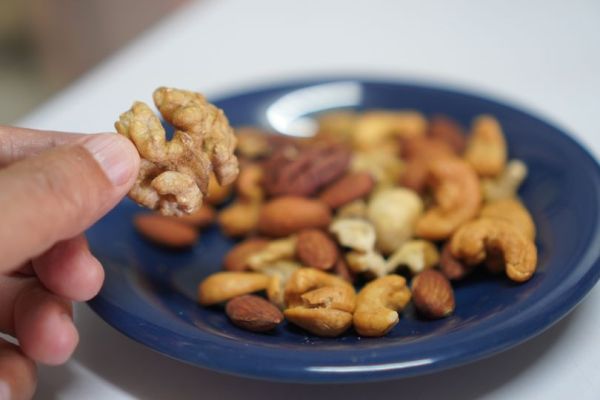
Dan suggests consuming "at least" three of these each day to sustain a whole food-based diet:
- Fruits - all varieties
- Greens - spinach, kale, chard, beetroot tops, fennel tops
- Beans - all varieties: black beans, pinto beans, chickpeas, black-eyed peas, lentils
- Nuts - all varieties: almonds, peanuts, walnuts, sunflower seeds, Brazil nuts, cashews
- Olive oil - green, extra-virgin is typically the best quality (note that olive oil deteriorates quickly, so purchase no more than a month's supply at a time)
- Sweet potatoes
- Turmeric - as a spice or a tea
- Oats - slow-cooking or Irish steel-cut are preferable
- Barley - either in soups, as a hot cereal, or ground in bread
- Green or herbal teas
He further comments: "The findings here represent a long-term, statistical, and science-based study. We needed information that was not just anecdotal or based on interviews, visits in the kitchen, or shared meals with individual centenarians.
"We analysed over 150 dietary studies conducted in Blue Zones over the past century, and then we distilled those studies to arrive at a global average of what centenarians really ate.
"Here we provide some guidelines you can follow to eat a Blue Zones diet like they do and live to 100."
Contact to : xlf550402@gmail.com
Copyright © boyuanhulian 2020 - 2023. All Right Reserved.