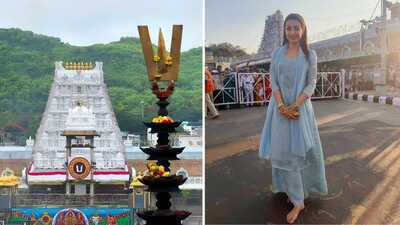
New Delhi: A recent visit by actor Trisha Krishnan has once again drawn attention to the revered Sri Venkateswara Temple, popularly known as Tirupati Temple. Located in Tirumala in Andhra Pradesh, the shrine stands atop the seventh peak of the Seshachalam Hills, Venkatadri, and is among the most visited pilgrimage sites in the world. Dedicated to Lord Venkateswara, an incarnation of Vishnu, the temple reflects centuries of faith, architectural brilliance and ritual tradition. Built in the Dravidian style and managed by the Tirumala Tirupati Devasthanams, it attracts millions of devotees each year who seek blessings for prosperity and relief from hardship.
The sacred Swami Pushkarini tank, ancient legends and long-standing customs such as hair offerings add to its spiritual aura. Considered one of the wealthiest temples globally due to offerings, Tirupati Temple remains a powerful centre of devotion. Here is a closer look at its history, mythology and experiences for visitors.

The temple’s beginnings are linked to the Thondaman rulers, who are believed to have first constructed the shrine. Over time, powerful South Indian dynasties including the Cholas, Pandyas and the Vijayanagara Empire expanded and enriched the structure. The Vijayanagara kings, in particular, made substantial architectural contributions, strengthening the temple’s prominence as a spiritual and cultural landmark. The complex seen today reflects centuries of patronage, renovation and devotion.
Mythological significance of Lord VenkateswaraAccording to sacred tradition, Lord Vishnu manifested as Venkateswara during the Kali Yuga to guide humanity and remain accessible to devotees. The shrine is also known as Adi Varaha Kshetra, linking it to the Varaha incarnation of Vishnu. The Seshachalam Hills are believed to represent the seven heads of Adishesha, the serpent deity of Vishnu.
Legends surrounding Tirupati Temple Sage Bhrigu’s testSage Bhrigu is believed to have tested the Trimurtis and kicked Lord Vishnu on the chest. When Vishnu remained calm, Goddess Lakshmi left Vaikuntha in anger, prompting Him to descend to Earth.
Marriage of Srinivasa and PadmavathiManifesting as Srinivasa, Lord Vishnu later married Padmavathi. To conduct the wedding, he is said to have borrowed wealth from Kubera, promising repayment through the ages. Devotees symbolically contribute towards this divine debt through their offerings.
Vaddi Kaasulaswamy beliefLinked to the celestial loan, the deity is affectionately called Vaddi Kaasulaswamy, meaning the Lord who pays interest, with hundi donations tied to this enduring belief.
Perpetual lamp and mystical soundA sacred oil lamp in the sanctum is believed to have burned continuously for centuries. Some devotees also claim to hear an ocean-like sound when placing their ear near the back of the idol.
Agreement with VarahaswamiBefore residing on Venkatadri, Lord Srinivasa sought land from Adi Varahaswami, promising that pilgrims would honour Varahaswami first, a tradition still observed today.
Rituals and worship at Tirupati TempleThe presiding deity resides within the sanctum known as Ananda Nilayam. Devotees undertake darshan after observing rituals such as a holy dip in Swami Pushkarini. Many also participate in the tonsure ceremony at Kalyana Katta, offering hair as a mark of humility and surrender.
Things to do at Tirupati Temple- Darshan of Lord Venkateswara: Offer prayers at the main sanctum.
- Holy dip at Swami Pushkarini: Take part in ritual cleansing beside the temple.
- Visit Varahaswami Temple: Follow tradition before or after main darshan.
- Explore TTD Gardens: Walk through expansive landscaped grounds.
- See Silathoranam: View the rare natural rock arch formation.
- Papavinasam Theertham: Visit the scenic waterfall known for ritual bathing.
- Tonsure at Kalyana Katta: Participate in the symbolic hair offering.
Tirupati Temple remains far more than a pilgrimage stop. It is a living fusion of history, mythology and enduring devotion, where ritual and legend continue to shape the faith of millions each year.
Contact to : xlf550402@gmail.com
Copyright © boyuanhulian 2020 - 2023. All Right Reserved.