Is Amalaki Ekadashi How One Day Can Change Your Destiny
Among all Ekadashi fasts in the Hindu calendar, Amalaki Ekadashi holds a deeply spiritual place. Observed during the waxing phase of the Phalguna month, this sacred day is dedicated to Lord Vishnu and the divine Amalaki tree, also known as Amla. Devotees believe that fasting and worship on this day cleanse past karmas, bring prosperity, and protect the soul from negativity. The rituals are simple yet powerful. The emotional meaning behind them connects devotion, nature, and inner purification in one sacred practice.
The Sacred Story Behind the Day

According to ancient legends, a righteous king once observed Amalaki Ekadashi with deep devotion. Even an innocent hunter who participated unknowingly received divine blessings. The story highlights the compassionate nature of Lord Vishnu. It teaches that sincere faith, even if simple, brings spiritual rewards. The narrative reinforces the belief that this Ekadashi can purify sins and protect devotees from future suffering. Mythology gives emotional meaning to the rituals and strengthens trust in the observance.
Worship of the Amalaki Tree
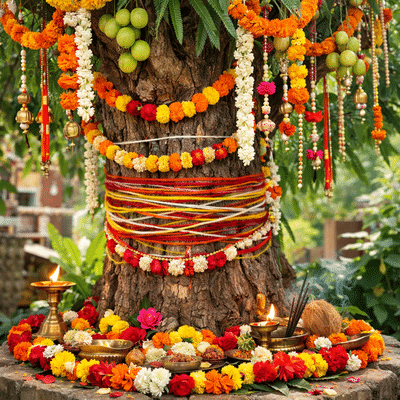
The Amalaki tree symbolizes purity and nourishment. Devotees clean the area around the tree, offer water, turmeric, flowers, and light lamps. They tie sacred threads and circumambulate the tree while chanting Vishnu mantras. The tree is believed to house divine energy on this day. Worshipping it reflects gratitude toward nature and health. The Amla fruit is known for medicinal benefits in Ayurveda, adding practical significance to spiritual reverence. This ritual connects ecological respect with devotional faith.
Fasting with Discipline and Faith

Fasting on Amalaki Ekadashi is considered highly auspicious. Devotees abstain from grains and focus on fruits, milk, and simple meals. Some observe a complete fast. The purpose is not punishment but purification. Fasting builds self control and mindfulness. It helps detach from material cravings and turn attention inward. Scriptures suggest that sincere fasting pleases Lord Vishnu and removes accumulated karmic burdens. The act becomes both a spiritual discipline and a symbolic cleansing of body and mind.
Chanting and Night VigilOn this holy day, devotees chant Vishnu Sahasranama, recite sacred stories, and sing bhajans. Some stay awake through the night in devotion. This practice, known as jagran, represents alertness of the soul. Chanting creates rhythmic breathing and emotional calm. Collective prayer strengthens community bonds. Spiritually, staying awake symbolizes awareness against ignorance. These devotional acts are believed to multiply spiritual merit and bring divine grace into daily life.
Charity and CompassionCharity is an essential part of Amalaki Ekadashi. Donating food, clothes, or money to those in need expresses compassion. Scriptures emphasize that charity performed on this day carries multiplied blessings. The practice teaches humility and gratitude. By helping others, devotees reduce ego and cultivate kindness. This final step transforms personal devotion into social responsibility. It reflects the deeper spiritual truth that faith is complete only when shared through good deeds.
Spiritual and Emotional MeaningAmalaki Ekadashi blends mythology, environmental respect, and inner discipline. It reminds devotees that nature itself is sacred. The Amalaki tree represents nourishment, while Lord Vishnu symbolizes protection and preservation. Together, they reflect balance in life. From an experience based perspective, generations have observed this fast seeking health, prosperity, and peace. Religious texts like the Brahmanda Purana describe its glory, adding scriptural authority. The consistent practice across centuries strengthens its cultural trust and authenticity.
Offering Food and KindnessCharity is an essential part of Amalaki Ekadashi. Donating food, clothes, or money to those in need expresses compassion. Scriptures emphasize that charity performed on this day carries multiplied blessings. The practice teaches humility and gratitude. By helping others, devotees reduce ego and cultivate kindness. This final step transforms personal devotion into social responsibility. It reflects the deeper spiritual truth that faith is complete only when shared through good deeds.
Unlock insightful tips and inspiration on personal growth, productivity, and well-being. Stay motivated and updated with the latest at My Life XP.
Frequently Asked Questions (FAQs)
1. What is Amalaki Ekadashi?
Amalaki Ekadashi is a sacred Hindu fast dedicated to Lord Vishnu and the Amalaki (Amla) tree, observed during the bright fortnight of Phalguna.
2. Why is it called the day that washes away sins?
Devotion, fasting, prayer, and charity on this day are believed to purify the mind and lighten past karmas.
3. How should one observe this fast?
Devotees fast, worship the Amalaki tree, chant Vishnu mantras, and perform acts of charity.
4. Can everyone observe it?
Yes, people of all ages can observe, with fasting adapted to health conditions.
5. What are the benefits of Amalaki Ekadashi?
It brings spiritual cleansing, emotional peace, prosperity, and protection from negativity.
The Sacred Story Behind the Day
A king and villagers offer prayers beneath the sacred Amla tree.
According to ancient legends, a righteous king once observed Amalaki Ekadashi with deep devotion. Even an innocent hunter who participated unknowingly received divine blessings. The story highlights the compassionate nature of Lord Vishnu. It teaches that sincere faith, even if simple, brings spiritual rewards. The narrative reinforces the belief that this Ekadashi can purify sins and protect devotees from future suffering. Mythology gives emotional meaning to the rituals and strengthens trust in the observance.
Worship of the Amalaki Tree
Devotees decorate the Amalaki tree with flowers and sacred threads.
The Amalaki tree symbolizes purity and nourishment. Devotees clean the area around the tree, offer water, turmeric, flowers, and light lamps. They tie sacred threads and circumambulate the tree while chanting Vishnu mantras. The tree is believed to house divine energy on this day. Worshipping it reflects gratitude toward nature and health. The Amla fruit is known for medicinal benefits in Ayurveda, adding practical significance to spiritual reverence. This ritual connects ecological respect with devotional faith.
Fasting with Discipline and Faith
Devotees observe Ekadashi fast with prayer and simplicity.
Fasting on Amalaki Ekadashi is considered highly auspicious. Devotees abstain from grains and focus on fruits, milk, and simple meals. Some observe a complete fast. The purpose is not punishment but purification. Fasting builds self control and mindfulness. It helps detach from material cravings and turn attention inward. Scriptures suggest that sincere fasting pleases Lord Vishnu and removes accumulated karmic burdens. The act becomes both a spiritual discipline and a symbolic cleansing of body and mind.
Chanting and Night VigilOn this holy day, devotees chant Vishnu Sahasranama, recite sacred stories, and sing bhajans. Some stay awake through the night in devotion. This practice, known as jagran, represents alertness of the soul. Chanting creates rhythmic breathing and emotional calm. Collective prayer strengthens community bonds. Spiritually, staying awake symbolizes awareness against ignorance. These devotional acts are believed to multiply spiritual merit and bring divine grace into daily life.
Charity and CompassionCharity is an essential part of Amalaki Ekadashi. Donating food, clothes, or money to those in need expresses compassion. Scriptures emphasize that charity performed on this day carries multiplied blessings. The practice teaches humility and gratitude. By helping others, devotees reduce ego and cultivate kindness. This final step transforms personal devotion into social responsibility. It reflects the deeper spiritual truth that faith is complete only when shared through good deeds.
Spiritual and Emotional MeaningAmalaki Ekadashi blends mythology, environmental respect, and inner discipline. It reminds devotees that nature itself is sacred. The Amalaki tree represents nourishment, while Lord Vishnu symbolizes protection and preservation. Together, they reflect balance in life. From an experience based perspective, generations have observed this fast seeking health, prosperity, and peace. Religious texts like the Brahmanda Purana describe its glory, adding scriptural authority. The consistent practice across centuries strengthens its cultural trust and authenticity.
Offering Food and KindnessCharity is an essential part of Amalaki Ekadashi. Donating food, clothes, or money to those in need expresses compassion. Scriptures emphasize that charity performed on this day carries multiplied blessings. The practice teaches humility and gratitude. By helping others, devotees reduce ego and cultivate kindness. This final step transforms personal devotion into social responsibility. It reflects the deeper spiritual truth that faith is complete only when shared through good deeds.
Unlock insightful tips and inspiration on personal growth, productivity, and well-being. Stay motivated and updated with the latest at My Life XP.
Frequently Asked Questions (FAQs)
1. What is Amalaki Ekadashi?
Amalaki Ekadashi is a sacred Hindu fast dedicated to Lord Vishnu and the Amalaki (Amla) tree, observed during the bright fortnight of Phalguna.
2. Why is it called the day that washes away sins?
Devotion, fasting, prayer, and charity on this day are believed to purify the mind and lighten past karmas.
3. How should one observe this fast?
Devotees fast, worship the Amalaki tree, chant Vishnu mantras, and perform acts of charity.
4. Can everyone observe it?
Yes, people of all ages can observe, with fasting adapted to health conditions.
5. What are the benefits of Amalaki Ekadashi?
It brings spiritual cleansing, emotional peace, prosperity, and protection from negativity.
Contact to : xlf550402@gmail.com
Copyright © boyuanhulian 2020 - 2023. All Right Reserved.