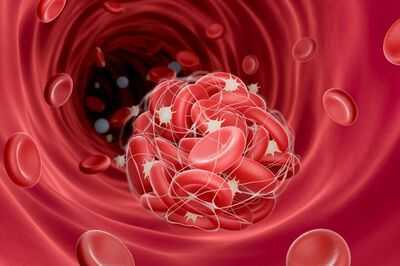
The NHS has advised people to "call 111" if they notice a potentially serious symptom affecting just one leg. This could indicate a blood clot that may lead to strokes, heart attacks, and other life-threatening complications.
Although blood clotting plays a vital role in preventing excessive bleeding from injuries, clots that don't dissolve naturally can create dangerous situations by obstructing blood circulation throughout the body. "Blood clots can be very serious and need to be treated quickly," the NHS cautions on its website.
Typically, a blood clot will first form in a vein located in the leg or arm. This condition is known as deep vein thrombosis (DVT). A key indicator of DVT is a throbbing feeling in one leg.
- 'My husband and brother both died from ALS like Eric Dane and there were first secret signs'
- 'I woke up at night for a year to use the toilet - it was cancer'
This discomfort usually occurs in the calf or thigh area, particularly when walking or standing. The NHS stresses this "rarely" impacts both legs simultaneously.
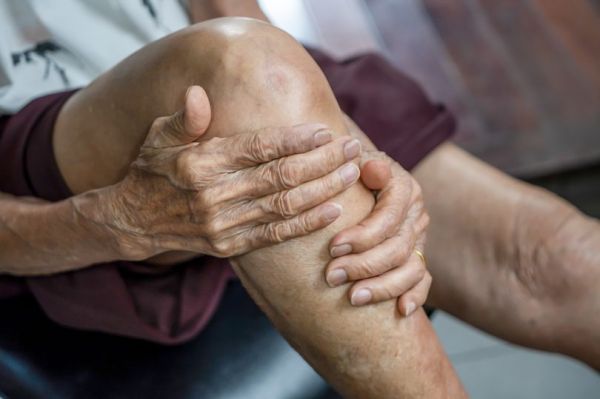
Additional DVT symptoms in the leg include:
- Swelling in one leg (rarely both legs)
- Warm skin around the painful area
- Red or darkened skin around the painful area – this may be harder to see on brown or black skin
- Swollen veins that are hard or sore when you touch them
The NHS says: "These symptoms can also happen in your arm or tummy if that's where the blood clot is."
To reduce the likelihood of a clot developing into something more severe, the NHS recommends that you "ask for an urgent GP appointment or get help from NHS 111" if you suspect you may have DVT. The health service has issued an urgent alert regarding the significant risks associated with blood clots, especially when they travel to vital organs like the brain or lungs.
Anyone noticing symptoms of deep vein thrombosis (DVT), such as pain and swelling alongside breathlessness and chest pain, should call 999 or go to A&E without delay.
These indicators could point to a pulmonary embolism, a potentially fatal condition that demands immediate medical attention. The NHS emphasises: "DVT can be very serious because blood clots can travel to your lungs.
"This is called a pulmonary embolism. A pulmonary embolism can be life-threatening and needs treatment straight away."
Should you experience these warning symptoms, it's essential not to try driving yourself to hospital. The NHS advises: "Ask someone to drive you or call 999 and ask for an ambulance."
Several factors can increase your chances of developing a blood clot, such as being over 60, being overweight, smoking, having previously had DVT, using contraceptive pills or hormone replacement therapy, suffering from cancer or heart failure, or having varicose veins. Particular circumstances may also elevate your risk of developing DVT.
Certain circumstances can increase the likelihood of DVT, such as hospitalisation or recent discharge – particularly if mobility is reduced post-surgery, prolonged bed rest, undertaking long journeys (over three hours) by plane, car or train, being pregnant or having given birth in the last six weeks, and experiencing dehydration.
However, DVT can sometimes occur for "no obvious reason".
How to mitigate your riskThere are several steps you can take to lower your chances of developing a blood clot:
- Maintain a healthy weight
- Stay active – regular walks can be beneficial
- Ensure you stay well-hydrated to avoid dehydration – DVT is more likely if you're dehydrated
- Avoid extended periods of immobility – try to get up and move around every hour or so
- Avoid crossing your legs whilst seated
- Quit smoking
- Limit alcohol intake
If diagnosed with a blood clot, anticoagulant medication such as warfarin may be prescribed. In some cases, surgical intervention may be necessary to remove or prevent the formation of blood clots.
Contact to : xlf550402@gmail.com
Copyright © boyuanhulian 2020 - 2023. All Right Reserved.