
Chewing gum is a daily habit for many, but can it really help you lose weight? Experts say it may curb hunger for a brief moment, but the full picture is far more complicated.
Sugar-free gum is widely recommended for oral health, but its role in appetite control has long been debated. According to the NHS, chewing sugar-free gum after meals has a host of benefits - namely reducing tooth decay by stimulating saliva which neutralises plaque acids and helps remineralise enamel.
The NHS advises choosing sugar-free options to avoid contributing to tooth decay, particularly those containing xylitol, which has been shown to reduce harmful bacteria in the mouth. But beyond its dental benefits, many chew gum hoping it will supress their appetite and reduce snacking.
- 'My husband and brother both died from ALS like Eric Dane and there were first secret signs'
- 'I woke up at night for a year to use the toilet - it was cancer'
Yhenny Brito Mendoza, a dietitian with the Diet Therapy Group of the Spanish Society for the Study of Obesity (SEEDO), says clinical trials have found adults who chew gum report feeling less hungry and less inclined to snack on sweet foods. But she stresses that whether this translates into eating fewer calories overall remains unclear.
"Chewing gum can help control the immediate urge to snack, but it is not a reliable tool for reducing total daily food intake," the expert told CuídatePlus.
Research published in the journal Nutrients found chewing gum may influence appetite sensations, and could be explored as a complementary tool in obesity management. It did conclude, however, that more robust evidence is needed to confirm any meaningful impact on weight loss.
Other studies, including from Appetite, have reported that while gum chewing can reduce perceived hunger and sweet cravings, it does not consistently reduce total energy intake across different individuals.
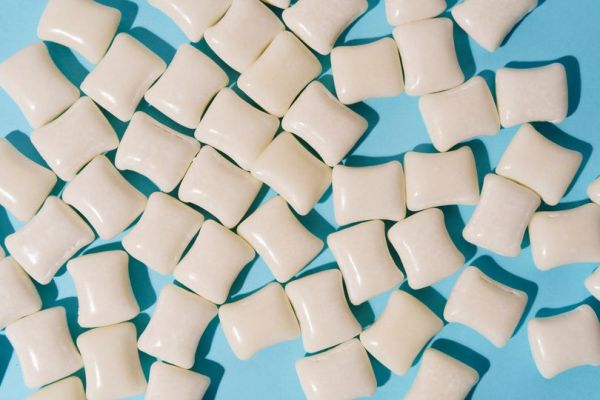
Experts say the effects may be partly psychological, as chewing activates brain areas linked to appetite, and provides a temporary sense of satisfaction through taste and oral stimulation.
Despite this, the dietitian is clear: "Chewing gum doesn’t help you lose weight. It doesn’t replace a structured diet, nor does it prevent the body from asking for food when it really needs it."
There are some digestive considerations to keep in mind. According to the NHS, excessive consumption of sugar-free gum containing sweeteners, like xylitol or sorbitol which have a laxative effect, and can cause bloating and even diarrhoea.
It’s clear chewing gum may act as a short-term distraction from cravings, but it’s at best a minor aid in a weight loss journey. It cannot replace a sustained calorie deficit or medically approved treatments like Mounjaro.
Contact to : xlf550402@gmail.com
Copyright © boyuanhulian 2020 - 2023. All Right Reserved.