
If you think your child has type 1 diabetes, there are a few signs to look out for. And one of them could appear in their bed as they sleep.
According to a detailed diabetes blog published on JAMA Network, which contains a collection of peer-reviewed medical journals, "patients with type 1 diabetes often have increased thirst, frequent urination, and unexplained weight loss. Other symptomscan include increased hunger, fatigue, and blurred vision."
But when it comes to younger children, they "may develop irritability, lethargy, and new-onset bed-wetting". This is backed up by Diabetes UK, which also notes that this is a sign.
- Marshals: A Yellowstone Story cast, plot and release date as Kayce spin-off starts soon
- Nine now confirmed dead in California avalanche as friends and sisters named among victims
It says that "going to the toilet a lot to pass urine, bed wetting by a previously dry child or heavier nappies in babies" is a sign.
"Getting up in the night to go to the toilet" is also an indication. But this alone is not enough to be worried.
 What are the symptoms of type 1 diabetes in children?
 The most common symptoms of type 1 diabetes in children are:
- Being really thirsty and unable to quench it. Your child may ask for a drink more often, finish drinks very quickly, or you may notice they generally drink more.
- Feeling more tired than usual. Having less energy than normal, not playing as often, less energy for sports.
- Losing weight or looking thinner than usual.
You can remember the main symptoms as the four Ts:
Toilet – needing to pee a lot
Thirsty – feeling very thirsty
Tired – feeling more tired than usual
Thinner – losing weight
Your child may also get more infections than usual. Symptoms of type 1 diabetes can appear quickly, over a few days or weeks. Get urgent medical help if you notice these signs. The most common type of diabetes in children is type 1, but children can also develop type 2 or other types of diabetes.
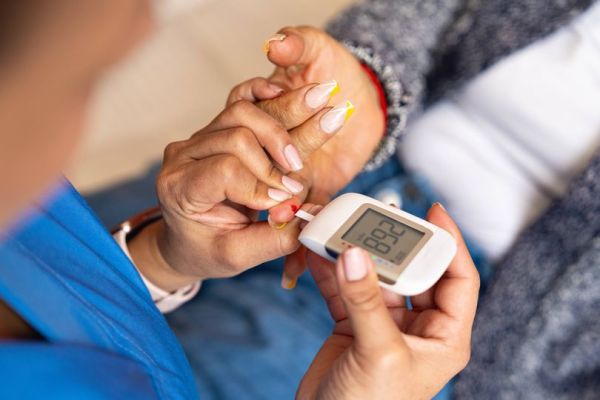
What should I do if I think my child has diabetes?If your child has any of these signs of diabetes, take them to a doctor straight away and ask for a blood sugar test. The doctor can do a quick finger-prick test to check their blood sugar.
If it is high, your child will be referred to a specialist diabetes team or hospital. The test will also be sent to a lab to confirm if your child has diabetes.
Can diabetes be life-threatening?According to Diabetes UK, "too many children and young people are not diagnosed with type 1 diabetes until they are in diabetic ketoacidosis (DKA) a life-threatening condition that requires urgent medical attention."
If a child has type 2 diabetes and it is not diagnosed for a long time, or if they become very unwell with an infection, they could develop a serious condition called hyperosmolar hyperglycaemic state (HHS) or diabetic ketoacidosis (DKA).
High blood sugar can also start to damage parts of the body over time. If your child is diagnosed with diabetes, support is available. You can get support through Diabetes UK here.
Ensure our latest headlines always appear at the top of your Google Search by making us a Preferred Source. Click here to activate or add us as your Preferred Source in your Google search settings.
Contact to : xlf550402@gmail.com
Copyright © boyuanhulian 2020 - 2023. All Right Reserved.