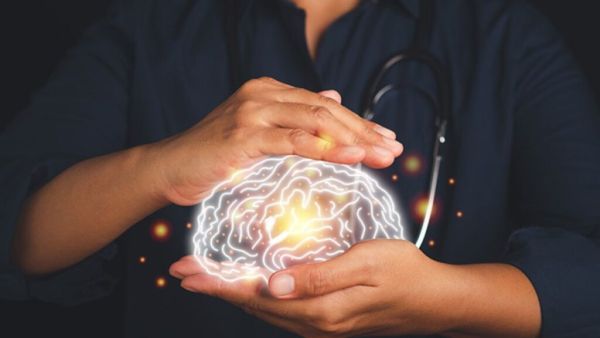
Our brain is the silent conductor of our life’s symphony. It manages our deepest memories, our daily conversations, and even the simple act of walking. Because it defines who we are, the mere mention of “brain cancer” often triggers a deep-seated fear.
However, as we observe World Cancer Day on February 4, it is time to replace that fear with a more powerful tool: Awareness. In the world of neuro-oncology, knowledge isn’t just power; it is the key to early intervention and better recovery.
The story of Rajesh: A lesson in listening
To understand the importance of awareness, consider 45-year-old Rajesh (name changed), a bank manager from Bengaluru. Like many of us, Rajesh lived a high-pressure life. When he started experiencing dull headaches in the morning, he dismissed them as ‘work stress’ and reached for over-the-counter painkillers.
It wasn’t until he struggled to find the right words during a presentation, a phenomenon his colleagues thought was exhaustion, that his wife insisted on a check-up. A scan revealed a tumor. Because it was caught before it could damage his motor cortex, surgeons were able to remove it safely. Today, Rajesh is back at his desk, a living testament to the fact that early diagnosis changes the narrative.
Understanding the odds in India
Brain tumors are relatively uncommon, accounting for about 1 to 2 per cent of all cancers in India. It is a common misconception that every tumor is a “death sentence.” In reality, many brain tumors are benign (non-cancerous). Even when a tumor is malignant, the outcome depends heavily on its location, type, and, most importantly, how soon it is detected. While they can affect anyone, we see different types peaking in childhood and others in adults over 40.
The red flags: Signs to look out for
The brain is a compact space. When a tumor grows, it either increases the pressure inside the skull or disrupts a specific ‘department’ of the brain. You should pay attention to:
The ‘different’ headache: Not your usual tension headache. These are often worse in the morning and may be accompanied by nausea or vomiting.
New-onset seizures: If an adult with no history of epilepsy has a fit or seizure, it requires immediate investigation.
Cognitive & personality shifts: Unusual irritability, memory lapses, or sudden confusion.
Sensory loss: Blurred vision, double vision, or a persistent ringing in the ears.
Physical weakness: Sudden clumsiness or weakness localised to one side of the body.
The golden rule
These symptoms usually progress gradually over weeks or months. Sudden ‘thunderclap’ pain is more often to other vascular issues, but any progressive neurological change deserves a doctor’s visit.
The ‘headache’ myth: When to relax
If you have had a headache every time you are stressed for the last ten years, it is almost certainly not cancer. Common culprits like migraines, tension headaches, and lack of sleep are far more likely.
Consult a specialist ONLY if:
- Your headache pattern suddenly changes after age 40.
- The pain is progressively worsening every single day.
- The headache is triggered by coughing or changing positions.
- It is accompanied by neurological “deficits” like slurred speech or limb weakness.
A new era of hope
The landscape of brain cancer treatment in India has shifted dramatically. We have moved from ‘radical’ surgeries to precision intervention.
- Minimally invasive surgery: Using neuronavigation (essentially GPS for the brain) to reach tumors with pinpoint accuracy.
- Precision radiotherapy: Targeting cancer cells while sparing the healthy surrounding tissue.
- Rehabilitation: A vital pillar involving physiotherapy and speech therapy that helps patients reclaim their independence.
This World Cancer Day, let us reframe the conversation. A brain cancer diagnosis is a challenge, but with modern medicine, it is a challenge that can be met head-on. By staying vigilant and acting on early warning signs, we don’t just save lives; we preserve the essence of who we are.
Don’t ignore the whispers of your body today, so you don’t have to deal with its screams tomorrow.
Contact to : xlf550402@gmail.com
Copyright © boyuanhulian 2020 - 2023. All Right Reserved.