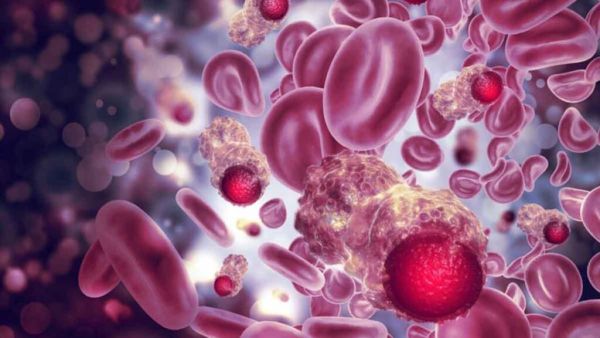
For many blood cancers (such as leukemia) and blood disorders such as thalassemia and aplastic anemia, a blood stem cell transplant, or hematopoietic stem cell transplant (HSCT) has the potential to provide a second chance at life!
It can restore healthy blood production by replacing diseased cells with healthy donor’s blood stem cells. Scientific studies report that matching human leukocyte antigens (HLA) is the most important factor influencing transplant success; over time, the data show that a donor’s age and overall health are also important.
Sometimes, even more than the fact that the donor is a sibling or an un donor. Without a genetic match, the patient’s survival rate will be limited.
At this juncture, younger donors matter clinically. A large international study demonstrates that younger donor age was the only donor factor consistently linked to better survival. The younger the donor, the lower the risk of serious post-transplant complications, enabling better patient recovery outcomes.
Younger stem cells tend to engraft more effectively and help the patient rebuild immune function more robustly. Older donors’ stem cells can function well, but over time, studies show younger stem cells may rebuild the blood system more efficiently.
Also, young donors help to maximise the donor base for matched un transplant requirements. A blood stem cell transplant requires a precise Human Leukocyte Antigen (HLA) tissue-matching.
In simple terms, the HLA of the donor should match as closely as possible to the patient— ideally, 10 out of 10 relevant HLA characteristics should match between the patient and the donor. A donor may be to the patient, such as siblings, parents, or family members. Only approximately 30 per cent of patients find a matching donor within their family.
The donor number remains insufficient in India. A limited registry size can significantly impact the patient’s survival chances. While countries such as Germany (19 per cent) and the United States of America (5 per cent) have millions of registered donors.
Only 0.09 per cent of the eligible Indian population is registered as a blood stem cell donor. This can leave many patients without many options. A limited pool of donors makes it highly unlikely that a suitable donor will be found, leaving patients waiting for months or even years for an HLA-matched donor.
In many cases, the delay is life-threatening because diseases like leukemia and aplastic anemia are rapidly progressing without timely transplants. Patients frequently rely on relatives or family for blood stem cell donation, who may or may not always be a full match! Therefore, there is an urgent need to adopt better methodologies to increase donor registrations.
A multifaceted approach is the need of the hour. To dispel myths and encourage voluntary donor registrations, more awareness programs are needed in metro cities, tier 1,2, and 3 cities, including remote places.
Continuous engagement with corporates and institutions such as workplaces, universities, and healthcare institutions will play a pivotal role. This will make organising donor registration drives easier and the registration process more accessible.
Organsations like ours have made efforts to spread awareness among the masses through donor registration drives online and offline, partnering with corporates, educational institutes, potential influencers, and participating in social events, to name a few.
Patrick Paul is the Executive Chairman at DKMS in India.
The opinions expressed in this article are those of the author and do not purport to reflect the opinions or views of Buzz.
Contact to : xlf550402@gmail.com
Copyright © boyuanhulian 2020 - 2023. All Right Reserved.