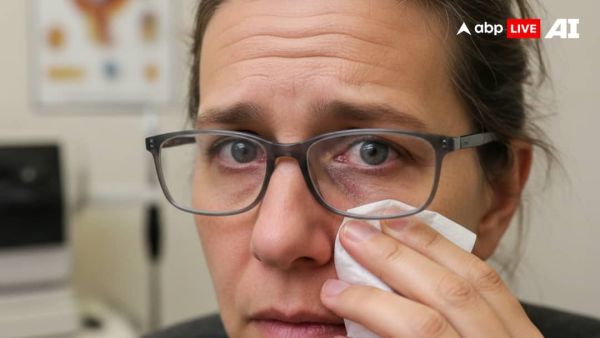
We are all aware about lifestyle diseases like diabetes, high blood pressure, obesity, and stress as threats to our heart or kidneys. But there’s another silent casualty of modern living that many overlook, our eyesight. In the bustling cities of India, lifestyle changes in recent times ranging from unhealthy diets and excessive screen time is quietly impacting vision without obvious early symptoms.
This Low Vision Awareness Month, it’s time to understand how daily habits are linked to eye health, and what we can do to protect our sight.
Why Lifestyle Diseases Matter To Your Eyes
Our eyes rely on a network of tiny blood vessels and nerves which are affected by conditions such as diabetes and hypertension which damage these structures over time. Elevated blood sugar and blood pressure weaken the retina and optic nerve, leading to blurry vision and eventually irreversible vision loss if left unmanaged. Many people may not notice problems until vision has already deteriorated significantly.
Diabetes: A Major Threat To Vision In India
India is often referred to as the “diabetes capital of the world.” Current estimates suggest there are over 100 million people living with diabetes in India, with millions more undiagnosed or in pre-diabetic stages. Among those with diabetes, nearly 17% are likely to develop diabetic retinopathy (DR) which is the damage to the retina’s blood vessels that can lead to vision loss. As per a recent study by Vision2020 India, about 21 million diabetics had some degree of vision loss, including 2.4 million who were blind, due to the disease. What’s more concerning is that a large majority of diabetics, have never had a retinal exam or know that diabetes can affect the eyes. This isn’t just a medical issue; it’s a social and economic one. Vision loss due to diabetic eye disease costs India billions in lost productivity and reduced quality of life every year.
Hypertension And Vision: The Quiet Damage
High blood pressure may not hurt or show early symptoms, but it damages the delicate vessels in the retina over time. Many people with hypertension have normal vision for years until sudden or irreversible damage occurs. Frequent monitoring of blood pressure along with regular eye checks are often the first step in diagnosing early changes before they become severe.
Digital Screens And Eye Strain: The Urban Reality
Along with metabolic conditions, our digital lifestyle has created another eye concern known as the Computer Vision Syndrome (CVS). Today, adults and children spend long hours on laptops, phones, and tablets. Constant screen use leads to eye strain, dryness, headaches, and blurred vision.
Children are particularly vulnerable. Aside from digital eye strain, there is a striking rise in myopia (nearsightedness) among kids in cities across India. Urban schoolchildren’s myopia prevalence has climbed sharply especially in the post-COVID era, with some reports showing rates rising from about 5% to over 20% in recent years. Experts also warn that by 2030, up to one-third of urban Indian children could be affected by myopia due to increased screen time and reduced outdoor activities.
Simple Steps to Protect Your Eyesight from this menace
- Schedule a comprehensive eye exam at least once a year, and more often if you have diabetes or hypertension. Early detection makes a world of difference.
- Follow the 20-20-20 rule when using screens: every 20 minutes, look at something at least 20 feet away for 20 seconds.
- Encourage children to spend at least two hours outdoors daily, natural light helps healthy eye development.
- Maintain a healthy diet, manage screen time, blood sugar and blood pressure.
A Wake-Up Call For Urban India
Vision loss related to lifestyle diseases and digital habits doesn’t happen overnight. It begins quietly, often without pain or obvious changes. This Low Vision Awareness Month, let’s remember that caring for our eyes goes beyond glasses and contact lenses. It is about adopting healthier lifestyles, understanding the risks of prolonged screen time, and making regular eye check-ups a non-negotiable part of our healthcare routine.
Disclaimer: The information provided in the article is shared by experts and is intended for general informational purposes only. It is not a substitute for professional medical advice, diagnosis, or treatment. Always seek the advice of your physician or other qualified healthcare provider with any questions you may have regarding a medical condition.
Contact to : xlf550402@gmail.com
Copyright © boyuanhulian 2020 - 2023. All Right Reserved.