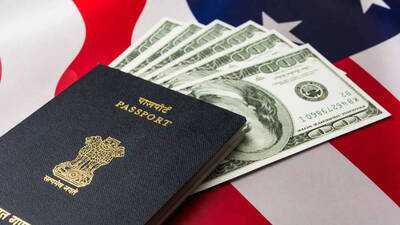
The United States is on the verge of updating wage regulations related to H-1B visas and employment-based Green Card sponsorship, a development that may significantly impact Indian professionals aspiring to work in the country. A new regulation from the Department of Labor has successfully passed through the Office of Management and Budget, marking the last administrative hurdle before it is made available for public feedback. Although the specific details of the regulation have not yet been disclosed, immigration specialists predict stricter prevailing wage standards. These wages dictate the minimum compensation that U.S. employers must offer foreign workers based on their job role and location. An increase in these wages would directly elevate the costs associated with both H-1B and Green Card PERM sponsorship processes. Given that Indian nationals represent a substantial majority of H-1B approvals, even minor adjustments in wage standards could affect employers' willingness to submit new applications.
Data from USCIS for the fiscal year 2024 indicates that around 71% of all approved H-1B petitions, including extensions, were awarded to Indian nationals, equating to approximately 280,000 approvals. This statistic highlights India's significant interest in U.S. immigration policy changes regarding H-1B visas, with Chinese nationals coming in a distant second at about 12%.
Details on the H-1B Wage Framework Changes What Is Changing In The H-1B Wage Framework?
The Department of Labor previously attempted a substantial wage increase in October 2020 during Donald Trump's presidency, which raised required wages by 40% to 100% across various categories. However, this rule was overturned in court after facing opposition from business organizations. The current proposal appears to be more moderate but could still raise salary thresholds for roles in technology, healthcare, and engineering.
If enacted, the new wage structure may affect H-1B beneficiaries for the fiscal year 2027. The registration period for H-1B applications for 2026 is set to open between March 4 and March 19, creating a period of uncertainty for employers and applicants. Immigration lawyers anticipate that the public comment phase will last between 30 and 60 days, although it might be shortened to expedite the finalization process.
Additionally, this proposal is linked to discussions about replacing the current random H-1B lottery system with a weighted selection model. In this new model, candidates with higher prevailing wages would have better chances of being selected. This change, along with potential wage increases, could favor senior professionals over those seeking entry-level positions.
Key Considerations for Indian Applicants What Indians Should Watch Closely
For Indian applicants, the primary concern revolves around employer strategies. Companies looking to sponsor H-1B visas are reportedly hesitant to increase hiring due to regulatory uncertainties and rising compliance costs. Additionally, a proposed $100,000 fee for certain H-1B visa applicants is currently facing legal challenges, adding to the caution.
Green Card applicants are also closely monitoring these developments. Changes in prevailing wage calculations will directly impact the PERM labor certification process, which is crucial for most EB-2 and EB-3 Green Card applications. Any adjustments could raise the minimum salary required for employer sponsorship, particularly in major metropolitan areas.
Moreover, consular processing in India has slowed down due to new social media vetting policies, complicating timelines further. Meanwhile, categories like EB1A approvals for 2026 continue to draw interest from highly skilled professionals seeking quicker paths to permanent residency. The overall immigration landscape, including talks about a 'Gold Card visa' and changes to H-1B regulations, indicates that significant reforms are still a priority in Washington.
Contact to : xlf550402@gmail.com
Copyright © boyuanhulian 2020 - 2023. All Right Reserved.