
A neurologist has issued a warning about two signs that “should not be ignored”. These could signal a potentially life-threatening brain aneurysm.
Abrain aneurysm is a swelling in a blood vessel in your brain. If the aneurysm bursts, it can cause a bleed on your brain.
According to the NHS, most brain aneurysms are small and do not cause symptoms. They're typically found during a test for another condition.
- Doctor Amir Khan says people should keep 1 item in loo to 'aid bowel movement'
- Sleep expert issues important advice to anyone who wakes between 1am and 3am to go toilet
With this in mind, an expert shared some warning signs to look out for. Speaking on social media platform TikTok, neurologist Dr Baibing Chen, said: “Here are two signs of brain aneurysm that should not be ignored.”
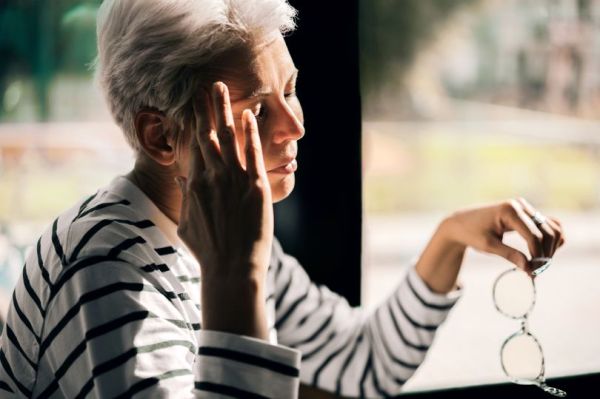
Eye symptomsThe first sign affects the eyes. Dr Chen, who is better known as Dr Bing, explained: “The first sign I'm going to talk about is a set of symptoms that we can see in a specific type of brain aneurysm.
“Specific set of symptoms include drooping of eyelid on one side of the face, dilation of the pupil on that side, and difficulty moving the eye on that side with blurry vision and double vision. This is a potential warning that there is a large aneurysm in the posterior communicating artery [a key blood vessel in the brain], compressing on the third cranial nerve.
“And if we catch this early, we can fix it and potentially save a life.”
 Headache
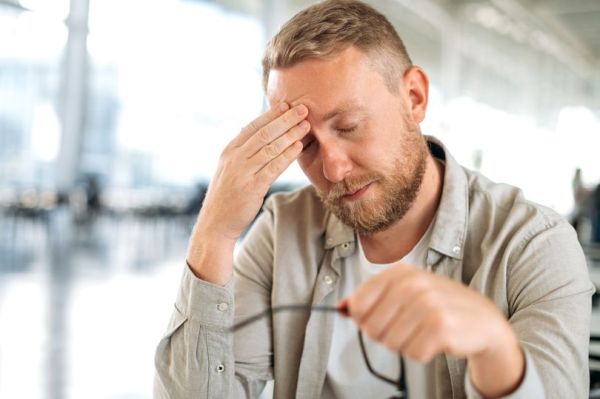
 An extreme headache is another potential sign of an aneurysm. Dr Bing said: “Sign number two is a thunderclap headache.
“This is a headache that reaches 10 out of 10 pain within seconds to a minute. It can be a potential warning sign that a brain aneurysm is in the process or in the early stages of rupturing.”
 Risk factors
 Dr Bing shared some key risk factors for a brain aneurysm. He said: “A lot of aneurysms have a genetic component.
“So if you have family history of brain aneurysms, it's worth talking to your doctor about being screened. And there are things that we can all do to lower our risk of developing aneurysms, such as not smoking, not drinking too much alcohol, and making sure that our blood pressure is well controlled.”
When to call 999The NHS says you should call 999 if you or someone else suddenly gets:
- A headache that's extremely painful and does not go away
- Weakness in the face – one side of the face may droop (fall) and it might be hard to smile
- Weakness or numbness in one arm or down one side of the body – it may not be possible to lift both arms fully and keep them there
- Speech problems, such as slurring words, sounding confused, or finding it difficult to speak or find the right words
- Blurred vision or loss of sight in one or both eyes
Contact to : xlf550402@gmail.com
Copyright © boyuanhulian 2020 - 2023. All Right Reserved.