
Whether savoured as a confectionery delight, steeped into a warming brew or woven into alternative herbal treatments, liquorice offers a wealth of health advantages backed by scientific evidence. Extracted from the Glycyrrhiza glabra plant, liquorice has featured prominently in traditional medicine for generations and remains a health-promoting ingredient to this day.
Hailing from Western Asia, North Africa and Southern Europe, it's long been treasured for its distinctive taste, and now research is confirming its wellness-boosting credentials. Whilst its therapeutic properties are most potent in components such as the root, even in sweet form it can pack a beneficial punch.
The Dutch and Italians are frequently credited with pioneering the use of liquorice root to craft sugary confections during the 17th century. Yet in England, the manufacture of liquorice sweets stretches back to the 18th century, with the Yorkshire town of Pontefract establishing itself as a celebrated centre for liquorice sweet production.
- Doctor Amir Khan shares how to get back to sleep if you keep waking up at 3am
- Acid reflux medication users warned to avoid huge 'error' when taking it
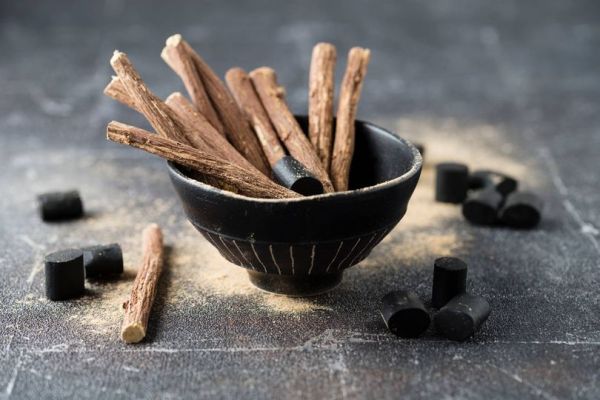
Health benefits of liquorice
Liquorice has shown anti-inflammatory characteristics that may assist in managing arthritis and dermatological complaints. Reducing inflammation levels has been associated with diminishing the likelihood of strokes, cardiovascular disease and particular forms of cancer, reports Surrey Live.
Substances present in liquorice root, including Licochalcone-A, have undergone scientific investigation for their capacity to suppress cancer cell development. Extracts derived from the plant's root have been linked with hindering or halting cell proliferation in skin, breast and prostate cancers, according to Gloucestershire Live.
Yet these aren't the sole wellness advantages connected to liquorice. Liquorice root is frequently employed to address digestive complaints.
It can alleviate manifestations of acid reflux, stomach ulcers and heartburn.
Research involving adults suffering from gastrointestinal problems discovered that regular consumption of liquorice root proved more successful at diminishing symptoms across a two-year timeframe than conventional anti-acids. Nevertheless, people with particular medical ailments must exercise caution to avoid overindulging in liquorice.
The British Heart Foundation cautioned that excessive quantities of glycyrrhizin, present in liquorice, can trigger complications such as elevated blood pressure, water retention, muscle weakness and abnormal heart rhythms. Prior to eating substantial amounts of liquorice daily (57g or above), seeking guidance from a medical expert to establish whether it's appropriate for you is recommended.
This becomes particularly crucial if you experience difficulties with blood pressure.
Ensure our latest headlines always appear at the top of your Google Search by making us a Preferred Source. Click here to activate or add us as your Preferred Source in your Google search settings.
Contact to : xlf550402@gmail.com
Copyright © boyuanhulian 2020 - 2023. All Right Reserved.