Whichever way I turned it over in my mind, or however lyrically I tried to frame it, I could not reconcile myself to the word alumni. Even its Latin root, meaning “foster sons,” offered scant comfort, so distant is that modest origin from the inflated resonance it now carries.
My unease was not merely semantic. It was the elaborate nostalgia encrusted around the word — the ceremonial reverence granted to the six letters. In the city where I have lived for decades, “alumni” has matured into an industry: nostalgia-packaged, marketed, and sold. Event managers prosper, community leaders polish their profiles, and their spouses harvest social-media applause.
Yet, in fairness, there is grace in this orchestration. Traditional artistes, often sidelined by corporate platforms, find here both audience and livelihood. Flown in by the dozen, they lend these gatherings a cultural sheen. For them, the spectacle has substance.
There was a time when my views were so straitjacketed that I avoided such gatherings altogether. I confess — and apologise for — that retreat.
I have since revised my thinking, thanks largely to one alumnus: Prakashji. My change of heart springs partly from self-interest, partly from a more generous appreciation of what such reunions can mean. “Such activities offer me genuine happiness,” he says.
But first, nostalgia — the sentiment that long stood between me and everything alumnal.
I have mined nostalgia in my writing; it sells. It amuses some, inspires others, and saddens a few. More than once I vowed never to revisit my former self. Yet each attempt to sever that umbilical cord saw it grow back — fierce as a fire-breathing dragon.
Memories of tertiary education do not warm me as do my school days. The campus years were complicated. Let me explain.
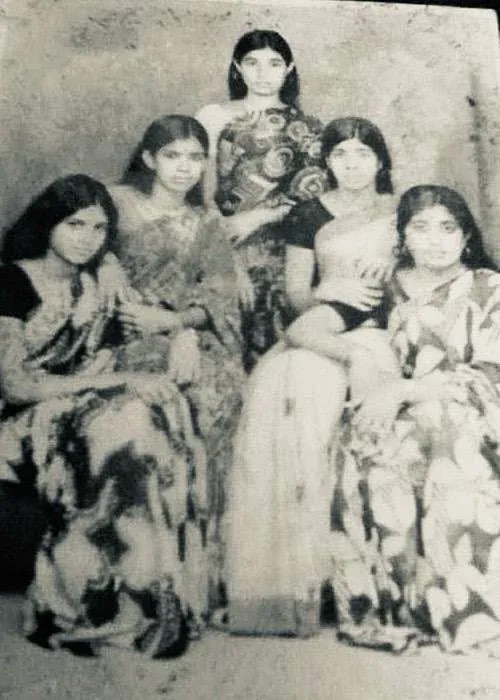
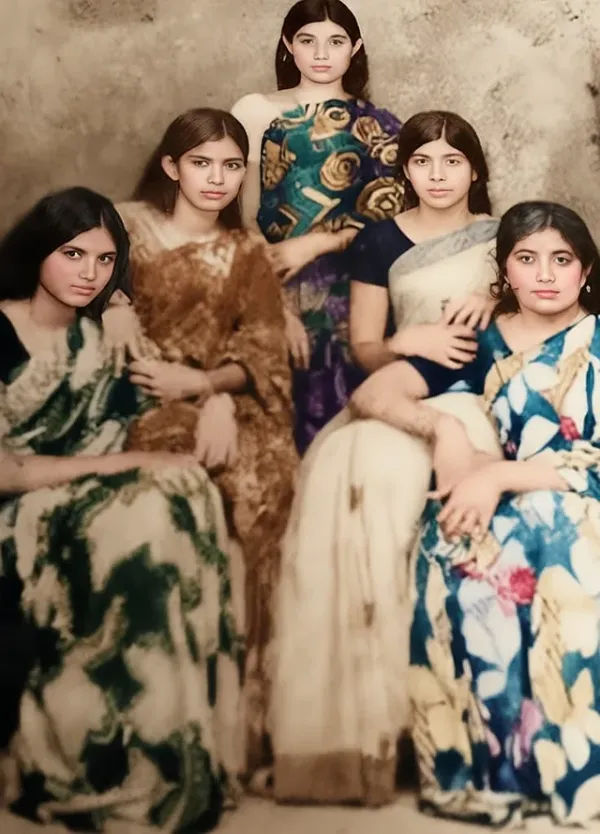
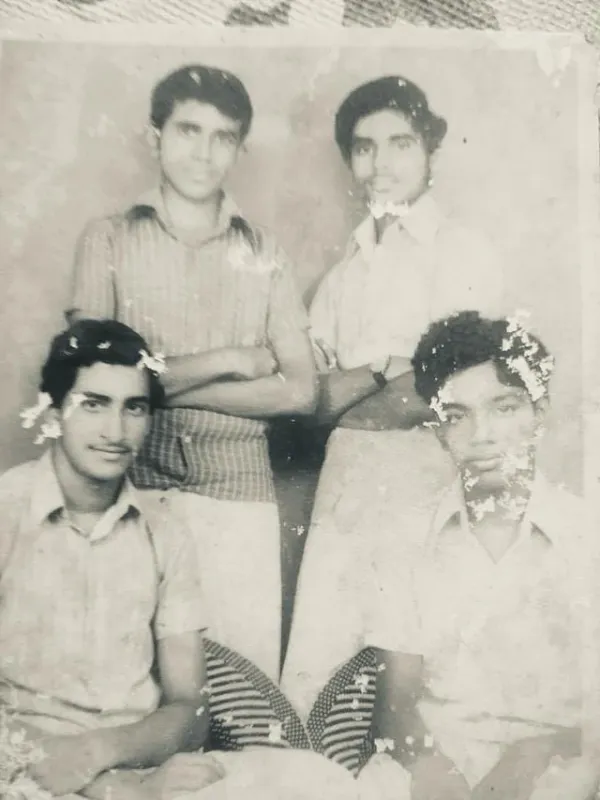
Artificial intelligence helped the alumni group restore faded photographs — time-worn and damaged — from the 1974–76 period.
I do not despise politics; in fact, I was a student activist early on. As student editor, I carried not only the magazine but an entire year’s cultural calendar. An art exhibition required personal guarantees for the safe return of the Lalith Kala Akademi’s works. A book fair meant assuring publishers of every rupee owed. Bringing poets and speakers from across the state felt, at times, like planning a minor lunar mission.
I lived in pressrooms and etching shops, writing, editing, and proofreading. I risked arrest photographing a cover story that exposed the private education racket. I laboured to produce a magazine worth remembering.
The cost was high. Classes missed, practicals unattended, exams skipped. By the time I realised my academic dreams were slipping away, it was too late. I became a loner — and remain, in many ways, one.
Yet if campus politics closed one door, it opened another. From a modest college magazine, I moved to national newspapers and later to the international media arena. For that trajectory, I owe gratitude to the friends who nominated me for student editor. They sketched the blueprint of my life.
With such layered memories, nostalgia remained an uneasy company. There is something inherently melancholic about nostalgia. Alumni associations once seemed to me like messengers of mortality; their social media feeds too often bearing news of departed classmates. I did not wish to see my dearest friends wearing the quiet regalia of age — grey hair, softened faces, time etched gently upon them. I wanted them preserved in their salad days — vibrant, laughing, incandescent. Those images were my private joy, not for public display.
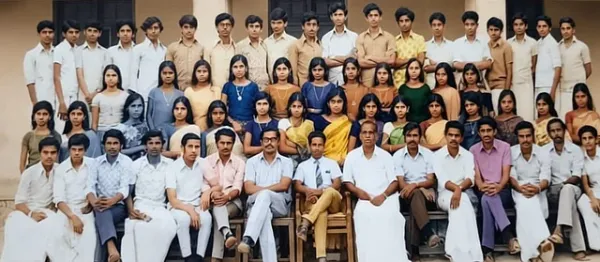
Then, one fine morning in 2015, Prakashji — newly retired from Adnoc — created a group to reunite the 85 classmates of Pre-Degree Batch C of 1974–76. The moment he added me, I felt a flutter in my stomach. “Ahoy — another voyage to the island of nostalgia,” I thought. It did not take me long to consider quitting.
But the former UAE resident of 21 years was persuasive — almost disarmingly so — in his determination to gather us. He added me soon after.
Then came his message, just as I was planning a modest world tour with my wife, hoping to fulfil some of her dreams before dementia tightened its quiet grip. “It’s the 50th anniversary of our batch. Let’s make it memorable.”
I declined promptly — reservations about alumni affairs lingering, and visa applications were indeed under way. From the margins, I watched as he and a few others tracked down batchmates for a reunion promising resort stays, houseboat cruises and generous fare.
Gradually, I was drawn in — exchanging photographs, introducing families, rediscovering the quiet architecture of lives lived afar. Subha shared American winter scenes; Gosh sent glimpses of Malaysia; Latha posted kitchen-garden harvests; Beena displayed culinary artistry; Sumangala’s racing photographs testified to resilience despite recent health setbacks; and Sumana posted photos of her grandchild tumbling gleefully in the snow. Others — Joseph, Hema, Hakkim, Padma Prabha, Girija P, Girija PK, Jameela, Geethadevi and a few more — appeared intermittently, contributing when time permitted.
Then came the roll call of the departed. Suicides, illnesses, sudden deaths. Sunil, Shashi, Ravi, Shamsudheen, Snehalatha, Suharabi, Dr Dayanandan… Only forty-three had responded; the rest remained untraceable.
The losses unsettled me. By day they lingered; by night they morphed into grotesque dreams — zombies on campus with coffins, Julius Caesar’s ghost haunting an English classroom, Juliet falling from the balcony. Sleep grew restless, memory turned macabre.
Relief arrived unexpectedly through artificial intelligence. Faded photographs from 1974–76 resurfaced, shared by different members, time-worn and damaged, with a plea for restoration.
The most chivalrous among us — yours truly included, I must confess — leapt into the ring with unseemly haste, dispatching AI-enhanced versions. Others countered with colourised editions. I ventured further, animating a photograph of our 16-year-old girls waving and smiling again. A modest flourish, perhaps, but it enlivened what might have remained routine pleasantries.
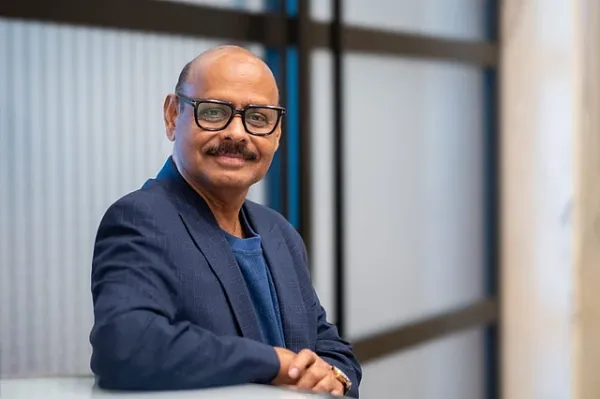
Suresh Pattali, Executive Editor, Khaleej Times.
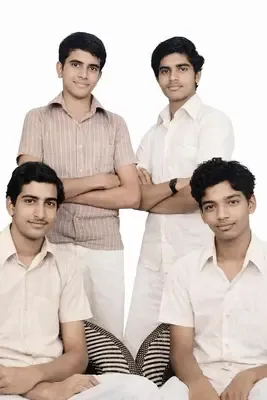
Looking at one snapshot of four of us, I exclaimed: “We were handsome fellows once — and rather decent too.”
“In hindsight, you boys could have been a little more mischievous,” Beena replied.
Now that telephone numbers are freely circulated, private conversations branched off. So far, so good.
For me, this feels like a final lay-by — a gentle “Last Exit” on life’s long highway — where one may pause and savour the remnants of happiness, free of malice or prejudice.
So, dear friends, celebrate your golden anniversary with joy. Spare a moment of silence for those who have gone before us. And may you be granted the grace to travel another 50 years.
(The writer is executive editor of Khaleej Times.)
Contact to : xlf550402@gmail.com
Copyright © boyuanhulian 2020 - 2023. All Right Reserved.