People have been warned about "potentially life-threatening" issues that thousands face each year. Without proper treatment, blood clots can lead to an otherwise avoidable death in some cases, especially when the signs become too hard to ignore.
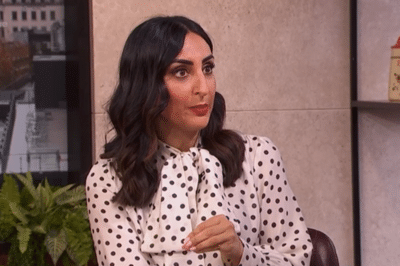
Dr Punam Krishan appeared on BBC's Morning Live to discuss blood clots and how people can reduce their risk of this potentially life-threatening problem. People have recently been discussing the seriousness of blood clots following the death of actress Catherine O'Hara, aged 71.
Reports this month claim that the Home Alone and Schitt’s Creek actress died due to a pulmonary embolism, which is a blood clot in the lung. The medical examiner indicated that this fatal clot was a complication related to her cancer treatment.
- 'I'm a cardiologist and there are three things I would never eat or drink'
- 'I drank SIX bottles of wine EVERY DAY - until something horrific happened'
Around 60,000 people a year are affected by blood clots and need treatment. Although signs of blood clots can sometimes go unnoticed if people aren't aware of their seriousness, some can be spotted early, increasing the chance of successful treatment.
Dr Punam said: "When we hear the word 'blood clot', immediately it sends a fright, and not all clotting is bad. Our bodies are naturally designed to clot [in order to] stop bleeding.
"It's there to protect us, the problem is when you end up with a clot somewhere it should not be. One of the most common places that can happen is the deep veins in the legs, usually one leg at a time."
The most serious kind of problem that needs urgent attention is when clots break off and travel to the lungs. It can lead to a possible pulmonary embolism, which Dr Punam called "potentially life-threatening".
Clots can affect anyone of any age, but some groups have a higher risk. Dr Punam listed some of these people, including people who are:
- over 60
- overwright
- regular smokers
- taking the oral contraceptive pill or hormone replacement therapy (HRT)
- having cancer treatment
- a family history of heart failure, varicose veins or previous blood clots
However, there were some other, more common but temporary risks. Dr Punam said people who have just given birth have a higher risk for a few weeks afterwards, and people who travel for more than three hours (by train, plane, car, etc) have that risk from limited mobility. Clots are also more common during hospital stays, following surgery, and periods of bed rest.
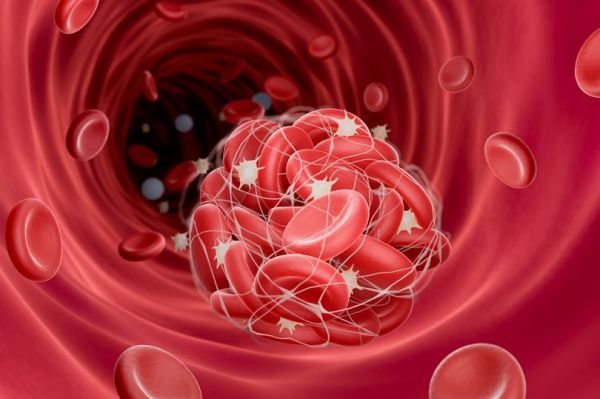
Signs of a blood clot
Blood clot symptoms depend on the location, but generally include pain, swelling, tenderness, warmth, and redness or discolouration around the affected area. Pulmonary embolism (PE) symptoms include sudden shortness of breath, sharp chest pain, and rapid heart rate.
The NHS advised that people should seek immediate emergency care (999 or A&E) if they experience breathing issues, chest pain, or a rapid heartbeat. Medications like apixaban or rivaroxaban are standard, which "thin" the blood to stop further clots.
Contact to : xlf550402@gmail.com
Copyright © boyuanhulian 2020 - 2023. All Right Reserved.