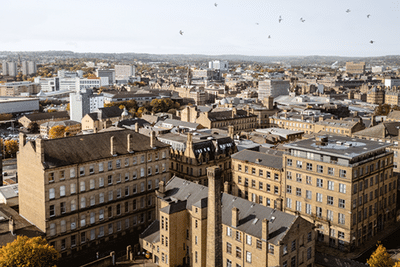
Nestled discreetly within Bradford's city centre, just a stone's throw from the principal shopping area, lies an extraordinary quarter that transports visitors to a bygone era.
Affectionately dubbed 'LittleGermany' by residents, this locale boasts 55 listed structures, all concentrated within a compact section of the bustling centre.
It stands as one of Britain's most impressive heritage destinations, with an abundance of history compressed into such a confined area.
- Lovely riverside village with stunning beaches and cosy pub owned by a rockstar
- Unspoilt English town with cobbled lanes and independent shops is like stepping back in time
The district features amongst the highest densities of listed buildings nationwide, making every glance upwards a visual delight, showcasing ornamental details and stunningarchitectural craftsmanship.
Yet architectural expertise isn't required to marvel at these stone structures, their artistic merit is universally accessible, and can be enhanced through the Little Germany heritage trail, which highlights notable features throughout the route.
Historical backgroundWhat began as a modest market settlement rapidly transformed into a flourishing hub for the wool trade – courtesy of German enterprise.
With their homeland's yarn market already thriving, numerous German merchants recognised Bradford's promise and chose to relocate, expanding their commercial operations.
Through this endeavour, they established an entire quarter between the city's shopping districts, constructing what are now regarded as some of Britain's finest textile warehouses.
Development took place between 1855 and 1890, producing towering structures along tight lanes which today hold significant historical importance as protected buildings.
Thanks to their privileged upbringings, these entrepreneurs didn't rest on their laurels – spotting opportunities across Bradford, they poured their fortunes into the city's development.
Their influence grew considerably, bankrolling ventures including St George's Hall, Bradford's Eye and Ear Hospital, and even the Bradford Chamber of Commerce.
These strategic investments truly established Bradford's reputation and cemented its position as a cornerstone of the wool industry. Indeed, by the mid-19th century, Bradford was producing approximately two-thirds of Britain's entire wool output.

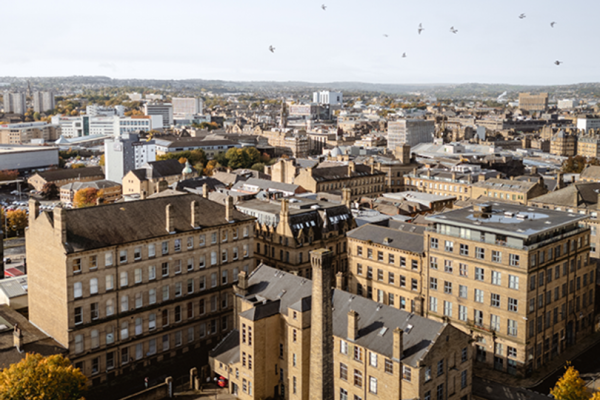
One recent visitor described the district as "unusual" on TripAdvisor, noting: "Quite unexpected - a large block of mock gothic stone warehouses, perched on a steep slope above the town.
"Highly interesting architecture, from a day when trade and money meant investing in buildings. Look for stone chair, Delius plaque, and the Munchen house café."
TV and FilmStrolling through Little Germany genuinely feels like time travel to the 18th and 19th centuries – which explains why the neighbourhood has featured in numerous period television and film productions.
Perhaps most famously, the warehouse on Cater Street doubles as Tommy Shelby's headquarters in the BBC's Peaky Blinders.
Most recently, the area's immaculately preserved Victorian buildings have attracted film crews for Greta Gerwig's The Chronicles of Narnia, scheduled for release this year. Although the production crew has maintained a tight lid on proceedings, it's been observed that vintage cars and horses have been stationed in the vicinity, accompanied by various film props.
Ensure our latest headlines always appear at the top of your Google Search by making us a Preferred Source.Click here to activate or add us as your Preferred Source in your Google search settings.
Contact to : xlf550402@gmail.com
Copyright © boyuanhulian 2020 - 2023. All Right Reserved.