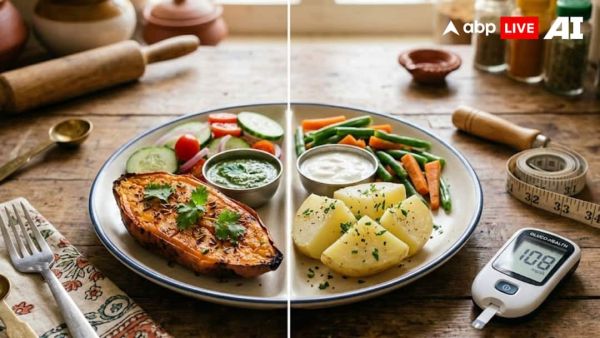
Diabetes and uncontrolled blood sugar are rising sharply among adults in India. According to the Indian Council of Medical Research, nearly 89.8 million adults aged 20–79 are now affected. This surge has earned India the reputation of the “Diabetes Capital” of the world. Amid this, a common question arises: when planning daily meals, which is healthier for blood sugar, potato or sweet potato?
Different Types Of Potatoes In India
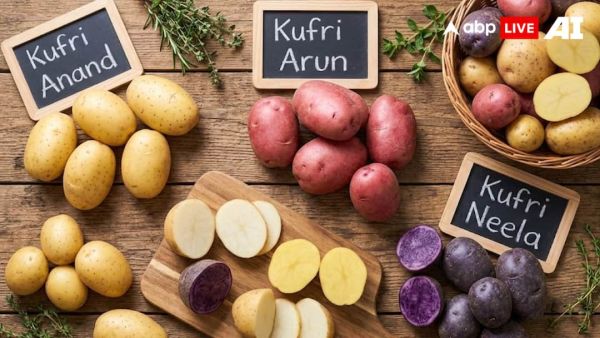
Not all potatoes are created equal. India is home to a variety of potato types, each differing in starch content and nutrients. Research published in the Indian Journal of Horticulture by the Central Potato Research Institute, Shimla, studied 46 Indian varieties. Some, like Kufri Anand, Kufri Arun, and Kufri Neela, have properties that slow carbohydrate breakdown, preventing rapid spikes in blood sugar. This shows that not all potatoes are harmful for diabetes patients when consumed in moderation.
What Makes Sweet Potato Special?
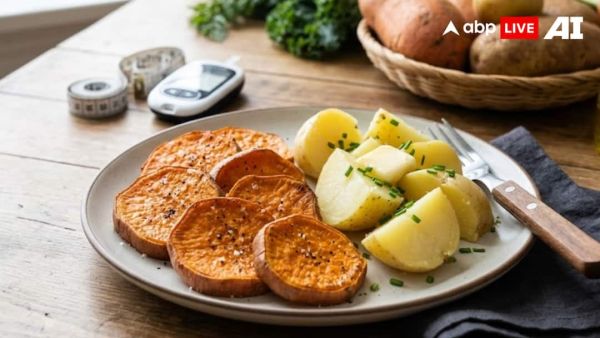
Sweet potatoes are rich in bioactive compounds such as carotenoids, anthocyanins, and phenolic acids, according to research in the International Journal of Food Science and Technology. These compounds help reduce insulin resistance and regulate blood sugar.
Nutritionally, 100 grams of regular potato contains about 17 grams of carbohydrates, with a high glycemic index (GI), especially when boiled or fried. Boiled potatoes can reach a GI of 78–82, and frying increases it further. Cooling boiled potatoes slightly lowers their GI.
Sweet potatoes, on the other hand, contain roughly 20 grams of carbohydrates per 100 grams, but their GI usually ranges from 44 to 61, making them comparatively gentler on blood sugar. They are high in fibre, which slows sugar absorption, and are loaded with vitamins A and C, plus antioxidants.
Which Is The Healthier Option?
Experts suggest that for blood sugar management, sweet potatoes may be the better choice. However, potatoes don’t need to be eliminated entirely. The key is portion control, avoiding fried preparations, and pairing them with pulses and vegetables in a balanced diet. When prepared and consumed properly, both can be included as part of a healthy, balanced meal plan.
[Disclaimer: The information provided in the article is intended for general informational purposes only. It is not a substitute for professional medical advice, diagnosis, or treatment. Always seek the advice of your physician or other qualified healthcare provider with any questions you may have regarding a medical condition.]
Contact to : xlf550402@gmail.com
Copyright © boyuanhulian 2020 - 2023. All Right Reserved.