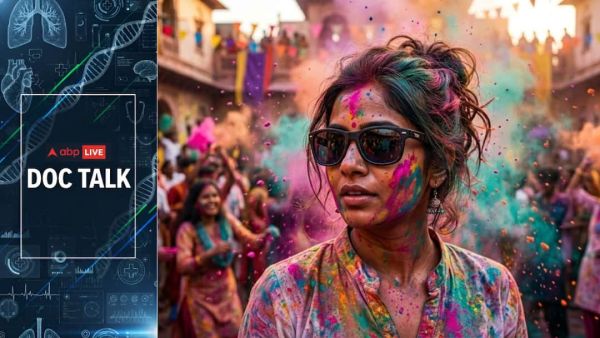
Holi brings with it laughter, colour-splashed streets and playful chaos. Yet, once the celebrations fade, ophthalmology clinics often witness a different aftermath, irritated, painful and sometimes injured eyes. Every year, specialists report a noticeable spike in preventable eye cases linked directly to synthetic colours, water balloons and high-pressure pichkaris.
Dr. (Col) Sudheer Verma, Senior Consultant, Sharp Sight Eye Hospitals and Dr. Silkee Singla, Ophthalmologist, Kailash Hospital, Noida, explain why even “just a little bit of colour” can become a serious concern, and what you should do in those critical first few minutes after exposure.
ABP Live Doc Talk | Slim But Diabetic? The Hidden ‘Thin-Fat’ Risk Affecting Indians
Why Even Small Amounts Of Colour Can Harm The Eyes
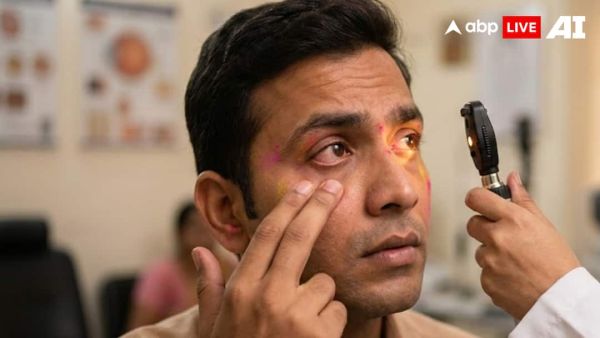
Dr. (Col) Sudheer Verma, Senior Consultant at Sharp Sight Eye Hospitals, notes a recurring pattern.
"Holi is known for bright colors in conjunction with playful chaos and a lot of laughter. Conversely, after Holi has concluded, from an ophthalmologist’s perspective, it can often be an entirely different scene. We generally see permanent stubborn pigments remaining in the eye, followed by complaints from patients stating their eyes hurt. "
He explains that many people underestimate the sensitivity of the eye’s surface.
"After Holi, every year, there are clinics which note an increase in patients stating, “It was just a little bit of colour.” Many people do not understand that there is enough synthetic powder exposure even in small amounts for irritation of the sensitive surface layer of the eye. The eye is one of the most sensitive organs; therefore, even small amounts of synthetic colour can cause discomfort or swelling in the eye."
Dr. Silkee Singla, Ophthalmologist at Kailash Hospital, Noida, echoes the concern.
"Holi is a festival of colour, celebration and togetherness, but every year eye specialists see a rise in preventable eye injuries during and after the festivities. What many people overlook is that even minor exposure to harmful colours or chemicals can cause serious damage to the eyes if immediate care is not taken."
The Danger Of Rubbing Your Eyes
The instinctive reaction to irritation is rubbing, and that’s where the real damage begins.
Dr. Verma warns:
"When someone has a colour particle in their eye, they tend to rub their eyes vigorously as soon as they feel irritation. This is natural behaviour; however, it can cause an abrasion to the cornea, the clear outer layer of the eye. If there is a scratch on the cornea, the person will experience pain, watering of the eyes, redness, and sensitivity to light."
Dr. Singla adds further clarity:
"The most common issue during Holi is colour particle injury to the eye. If colour particles enter the eye, rubbing the eyes can cause epithelial damage, corneal abrasion and thus visual problems. In such situations, the eyes should be thoroughly washed with clean running water or saline solution for 10–15 minutes."
What To Do Immediately After Colour Exposure
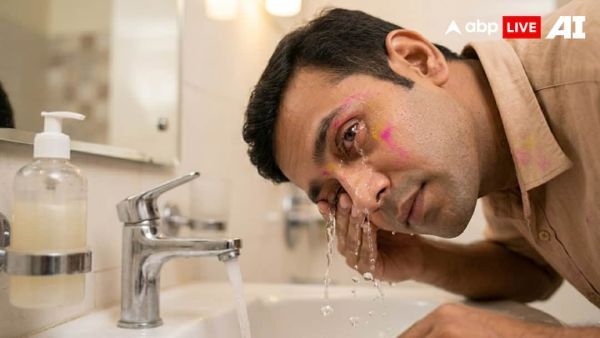
The first response can determine whether the irritation remains temporary or escalates.
Dr. Verma states clearly:
"The best immediate response is clear-cut: rinse the eye with clean, running water for several minutes. Let the water help remove particles from the eye naturally. Do not attempt to remove them using forceful splashes or high-pressure streams. After rinsing, lightly pat the surrounding area dry; do not put any pressure on the eye itself."
Dr. Singla reinforces this guidance:
"Nothing except clean water or eye drops prescribed by a doctor should be used on the eyes after exposure."
Why Home Remedies Can Make Things Worse
It’s common for people to reach for household solutions, but doctors caution strongly against this.
Dr. Verma explains:
"People often worry about home remedies which they consider a common problem. Using rose water milk and over-the-counter drops without medical guidance will make the irritation worse and create a risk of infection. Qualified eye specialists need to provide specific instructions about the proper use of clean water after exposure to eye contact with substances. The patient needs medical help when their symptoms of persistent redness and discomfort and blurred vision continue after washing their face. The process of early medical treatment will stop the development of serious complications which come from waiting too long for treatment. "
Dr. Singla adds:
"People usually resort to home remedies like using rose water, milk, or ointments without consulting a doctor, which may further aggravate the condition. If irritation, pain, blurred vision, tearing, or sensitivity to light persists after washing the eyes, it is not a good idea to delay consulting a doctor. Early treatment prevents complications such as corneal infections or chemical burns that may threaten vision."
Extra Caution For Children And Contact Lens Users
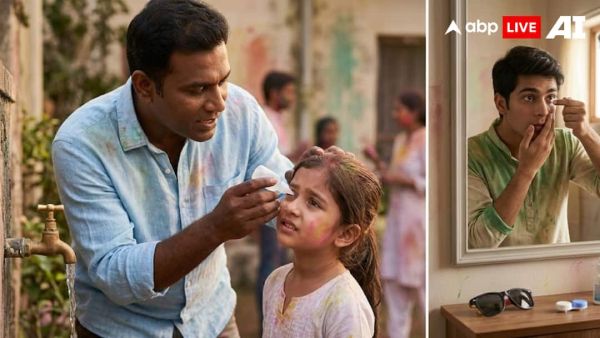
Children often rub their eyes more aggressively and may struggle to communicate discomfort.
Dr. Verma advises:
"We need to keep an eye on children because they tend to rub harder than adults and also may not be able to express their discomfort. If a child is splashed in the eyes with liquid when playing Holi, rinsing the eyes out as quickly as possible and watching them closely will help prevent any injuries."
Contact lens wearers also face higher risk.
Dr. Singla explains:
"Contact lens users should be especially cautious. Lenses can trap colour particles and chemicals against the eye, increasing the risk of injury. It is advisable to avoid wearing lenses while playing Holi and switch to protective glasses or sunglasses, particularly for children and individuals with sensitive eyes."
Prevention Is Simpler Than Treatment
Protective steps can drastically reduce risk.
Dr. Verma says:
"There are several ways to reduce risk through preventive actions. Wearing sunglasses provides a barrier against splash damage while putting on a small amount of oil around the eyes may prevent any colours from sticking to the skin. It is equally as important NOT to apply too much colour product to the face with force."
Dr. Singla concludes:
"Prevention remains the best protection. Choosing natural or skin-safe colours, avoiding forceful throwing of powder or water balloons, and supervising children during celebrations significantly reduce risk. Holi should be remembered for joy, not injury. With awareness, responsible celebration, and prompt first aid, most eye-related emergencies during Holi can be prevented, ensuring that the festival remains safe and vibrant for everyone."
Holi should leave behind colourful memories, not lasting vision problems. The difference often lies in those first calm, careful minutes after exposure.
Disclaimer: The information provided in the article is shared by experts and is intended for general informational purposes only. It is not a substitute for professional medical advice, diagnosis, or treatment. Always seek the advice of your physician or other qualified healthcare provider with any questions you may have regarding a medical condition.
Contact to : xlf550402@gmail.com
Copyright © boyuanhulian 2020 - 2023. All Right Reserved.