
The latest NHSguidance urges people to plan ahead when visiting grassy areas, and the advice is vital between March and October. March typically marks the start of tick season, when people are most at risk of bites.
It means people should be especially mindful when visiting areas such as woodland, parks, and moorland, and should dress carefully to help prevent tick bites. NHS Inform, Scotland’s national health information service, shares information about the risk ticks pose to humans on its official website.
On a webpage updated in February 2026, the NHS service shared advice on tick bites, noting that tick season usually runs from March to October. The guidance explained: "Ticks are small, spider-like creatures. They feed on the blood of birds and mammals, including humans.
- Sarah Everard killer's life now in grim prison with Ian Huntley - pathetic moan and Xbox
- The 'lightheaded' feeling that means you should see a GP 'as soon as you can'
"Ticks vary in size and are usually between 1mm to 1cm long. They have either six or eight legs." It continued: "Tick season is usually between March and October but it may last longer.
"This is because wet weather and warmer temperatures make ticks active for longer in the year. You should be aware of ticks all year round. This is because some symptoms of a tick bite, including inflammation, can take two to three months to develop."
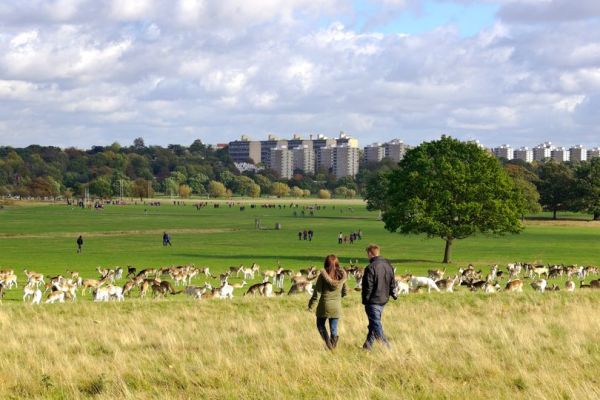
As such, people will likely want to take extra care over the next eight months, though they should remain vigilant throughout the year. Tick bites pose a risk because they can expose people to tick-borne infections, such as Lyme disease.
NHS Inform explains: "Lyme disease is a bacterial infection that causes a pink or red circular rash to develop around the area of the bite. A small number of ticks carry the bacteria that can cause Lyme disease. Being bitten doesn’t mean you’ll definitely be infected. But, it’s important to be aware of the risk and speak to a GP if you start to feel unwell."
People can help to prevent tick bites by:
- stay on paths and avoid long grass when walking outdoors
- wear a long-sleeved shirt and trousers tucked into your socks when walking outdoors
- wear light-coloured fabrics for walking – this may help you to spot a tick on your clothing
- use insect repellent on exposed skin
- check your skin and clothing for ticks after being outdoors
- check your children’s skin for ticks – especially the head and neck areas, including their scalp
- check that pets do not bring ticks into your home in their fur

Ticks feed on mammals and birds, including squirrels, deer, sheep and garden birds. So they are usually found in woodland, moorland, grassy areas, gardens, and parks. If you find a tick, the NHS says to remove it and monitor the area where you were bitten. Always speak to a GP about any health concerns.
Contact to : xlf550402@gmail.com
Copyright © boyuanhulian 2020 - 2023. All Right Reserved.