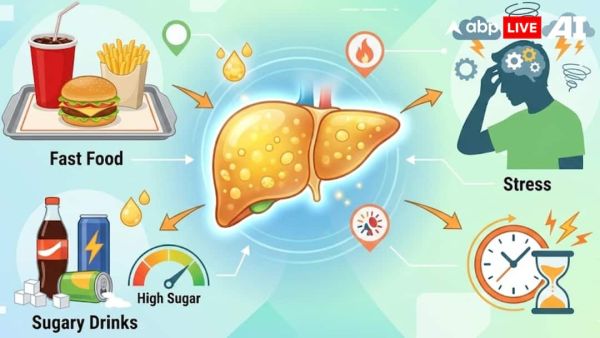
Fatty liver disease is becoming increasingly common, yet many people still underestimate how serious it can be. Because the condition often develops quietly and without noticeable symptoms in its early stages, it can remain undetected for years. By the time clear warning signs appear, significant damage to the liver may have already occurred.
Experts say unhealthy lifestyle choices, poor dietary habits and rising obesity levels are playing a major role in the growing number of cases. Understanding the myths, risks and early indicators of fatty liver is crucial for protecting long-term liver health.
Is Fatty Liver Only Linked To Alcohol?

One of the most widespread misconceptions is that fatty liver develops only in people who consume alcohol. However, doctors say this belief is far from accurate. In fact, a large number of cases today fall under non-alcoholic fatty liver disease (NAFLD).
This means individuals who do not drink alcohol can also develop the condition. Factors such as insulin resistance, obesity, unhealthy eating habits and genetics significantly increase the risk.
Gastroenterologist Dr Bhaskar Nandi told TOI, “In India, nearly 30 to 40 percent of people are found to have NAFLD, and many of them also struggle with conditions such as diabetes, obesity or high cholesterol.”
Can People With Normal Weight Still Get Fatty Liver?
Many assume that maintaining a normal body weight protects them from fatty liver. Unfortunately, this is not always the case.
Doctors note that even individuals who appear slim may develop what is known as lean NAFLD. This occurs because visceral fat — the fat stored around internal organs — may accumulate without being visibly noticeable from the outside.
As a result, someone may look healthy yet still have fat deposits affecting the liver.
Are Normal Liver Tests Enough To Rule It Out?
Another common misunderstanding involves blood tests. Some people believe that if liver enzyme levels appear normal, their liver is functioning perfectly.
However, experts caution that fatty liver can exist even when tests such as ALT and AST remain within the normal range, particularly in the early stages. Relying on a single test may therefore create a false sense of reassurance.
Is Fatty Liver A Minor Problem?
Because it rarely causes severe pain initially, many people assume fatty liver is harmless and easily reversible. While early intervention can indeed improve the condition, ignoring it for long periods can lead to serious complications.
Over time, fatty liver may progress to non-alcoholic steatohepatitis (NASH), fibrosis and eventually cirrhosis. In advanced cases, it may even contribute to liver failure or liver cancer.
Early Signs People Often Ignore
Fatty liver does not always produce dramatic symptoms. Instead, it tends to show subtle signals that are frequently overlooked.
These may include persistent fatigue, heaviness or discomfort in the upper right side of the abdomen, darkened skin around the neck and sudden fat accumulation around the waist. Many people attribute these signs to routine tiredness or lifestyle stress, allowing the condition to worsen unnoticed.
Is Sugar The Only Cause?
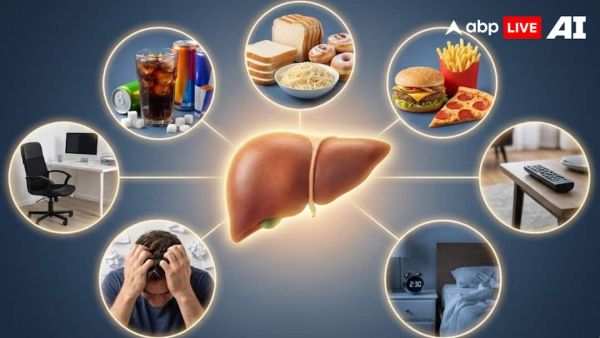
While excessive sugar intake is often blamed, it is not the sole factor responsible for fatty liver. Refined carbohydrates, lack of physical activity, chronic stress, irregular eating habits and poor sleep patterns can all contribute to the condition.
A combination of these lifestyle factors can gradually increase the risk of fat accumulation in the liver.
Why Lifestyle Changes Matter Most
Another myth is that fatty liver can be treated only with medication. Doctors emphasise that lifestyle adjustments remain the most effective way to manage and prevent the condition.
Losing around 7 to 10 percent of body weight, exercising regularly, maintaining a balanced diet and getting adequate sleep can significantly improve liver health.
Medical experts also recommend paying attention to warning indicators such as increasing waist circumference, prediabetes, high triglyceride levels, low HDL cholesterol and persistent fatigue. Regular health check-ups, reducing processed foods and incorporating daily walking into routines can make a meaningful difference in preventing fatty liver disease.
[Disclaimer: The information provided in the article is intended for general informational purposes only. It is not a substitute for professional medical advice, diagnosis, or treatment. Always seek the advice of your physician or other qualified healthcare provider with any questions you may have regarding a medical condition.]
Contact to : xlf550402@gmail.com
Copyright © boyuanhulian 2020 - 2023. All Right Reserved.