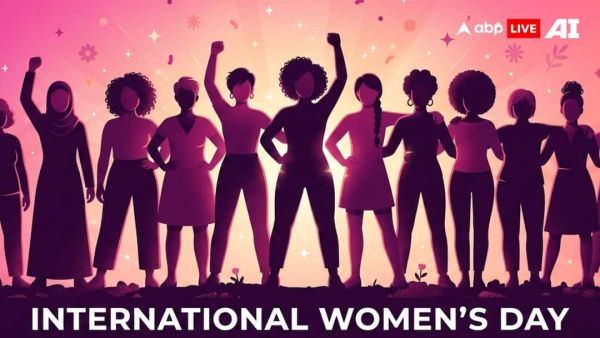
Every year on March 8, the world comes together to recognise the strength, resilience, and contributions of women across every sphere of life. From shaping families and communities to leading nations and industries, women have played an essential role in building societies throughout history. International Women's Day is not just a celebration of achievements but also a moment to acknowledge the dedication, courage, and determination that women demonstrate every day.
Across countries and cultures, the day encourages people to appreciate the progress women have made while reflecting on the challenges that still remain. It serves as an opportunity to honour the efforts of women who continue to inspire change, break barriers, and open doors for future generations. Celebrations, discussions, and awareness campaigns held on this day highlight the importance of respect, equality, and opportunity for women everywhere.
International Women's Day 2026 Theme
For International Women's Day 2026, the global theme highlighted by the United Nations and several official campaigns is 'Rights. Justice. Action. For ALL Women and Girls.'
This theme emphasises the importance of ensuring that women everywhere are able to truly exercise their rights and experience fairness in everyday life. It focuses on turning commitments into real change, highlighting the need for stronger action so that equality and justice are reflected not only in policies but also in daily realities for women and girls around the world.
History And Origin Of International Women's Day
The roots of International Women's Day trace back more than a century to a time when many women around the world worked under difficult conditions and had limited rights. In the early 1900s, women began raising their voices to demand fair treatment, better working environments, and equal pay. These collective efforts marked the beginning of a movement that sought dignity, recognition, and equal opportunities for women in society.
In 1910, leaders and activists from several countries gathered and agreed that a dedicated day should be set aside to recognise women's struggles and achievements. The idea gradually gained momentum across different regions. A few years later, in 1917, women organised peaceful protests demanding better living conditions and greater rights. These demonstrations played an important role in establishing 8 March as a significant date. Over time, the observance evolved into a global event that celebrates women's contributions while continuing to raise awareness about gender equality.
Significance Of International Women's Day
International Women's Day holds deep global importance as it acknowledges the social, economic, cultural, and political achievements of women. It is a day that celebrates progress while also reminding society that the journey toward gender equality is still ongoing.
The occasion draws attention to important concerns such as gender inequality, discrimination in workplaces, violence against women, reproductive rights, and equal access to education and opportunities. Governments, organisations, and communities use the day to spark meaningful conversations, recognise women's contributions, and encourage efforts that support a fairer and more inclusive society.
Beyond the celebrations, the day also acts as a call for action. It encourages individuals, institutions, and policymakers to take concrete steps that support equal rights and opportunities for women and girls everywhere.
Contact to : xlf550402@gmail.com
Copyright © boyuanhulian 2020 - 2023. All Right Reserved.