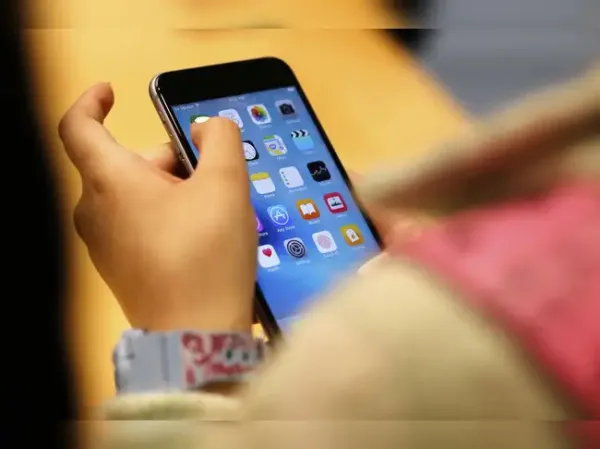
The Karnataka government said on Friday that it would ban the use of social media for children under 16 years of age. Chief minister Siddaramaiah made the announcement in the assembly during his budget speech, citing prevention of the “adverse effects of increasing mobile usage on children” as the objective. He did not specify a date for the implementation of the ban, which legal experts said could face constitutional challenges and practical enforcement hurdles since regulation of online platforms largely falls within the central government’s domain.
Andhra Pradesh and Goa have previously indicated that they were exploring social media restrictions for teenagers. These moves followed Australia banning social media for children under 16 years in December, becoming the first country to introduce such a law. Social media giant Meta, which owns widely used networking platforms Facebook, Instagram and WhatsApp, said governments should not unwittingly push children towards unsafe sites while enforcing such bans and that it believed parents should decide which apps their teens use.
"We’ll comply with social media bans where they are enforced, but with teens using 40 apps weekly, targeting a handful of companies won’t keep them safe. Bans should apply equally across the many apps teens use," Meta said in a statement. Governments considering bans should be careful not to push teens toward less safe, unregulated sites, or logged out experiences that bypass important protections, it said.
India is the biggest market for the US company.
Legal, operational challenges
A section of digital rights activists sees merit in the state governments’ thinking. States are responding to genuine concerns around the impact of social media on children’s mental and physical development, US-based tech lawyer Mishi Chaudhary said. “Platforms often push the responsibility onto parents while promoting addictive products,” she said.
While protecting children from online harms is an important objective, lawyers said state-level bans may struggle both legally and operationally in a country where device sharing is common and age-verification technologies remain nascent.
Aman Taneja, partner at Ikigai Law, said the constitutional position is not entirely settled. While regulation of the internet and online intermediaries is typically understood to fall under the union government, courts have previously allowed states to legislate on certain digital activities, he said.
Blanket bans on minors using social media could be difficult to implement in India, he said, warning that restrictions could push young users toward workarounds or less moderated parts of the internet.
Some experts argued that states may not have the legislative authority to impose such restrictions at all.
Salman Waris, partner and head of technology, media and telecommunications at TechLegis, said regulation of social media comes under subjects such as communications and intermediaries governed by the Union List of the Constitution. “Individual states in India lack independent legislative authority to regulate social media,” he said, adding that states could only recommend measures to the Centre.
Online safety discussions
The union government has already begun discussions with social media companies on age verification and online safety, he said. In addition, the Digital Personal Data Protection Act, 2023 requires platforms to obtain verifiable parental consent before processing the data of users under 18, effectively creating a form of age gate.
Legal experts also cautioned that bans would have to pass the constitutional test of reasonableness.
While social media poses risks such as addiction, safety concerns and impacts on well-being, it also has benefits in education, awareness and social connection, said Aarushi Jain, partner and head of media, education and gaming at Cyril Amarchand Mangaldas.
Operational challenges could make implementation of a ban difficult, she said and suggested a balanced approach centred on education and guidance instead.
Need for national framework
Tanu Banerjee, partner at Khaitan & Co, said instead of state-level actions, a coordinated national framework combining platform safeguards and digital literacy could prove more effective.
Legal challenges are likely if states attempt sweeping restrictions, civil liberties advocates said.
According to experts, states have other tools to address the issue without imposing outright bans.
Aparajita Bharti, founding partner at TQH Consulting and Young Leaders for Active Citizenship, said states could reduce screen time by banning phones in schools, investing in playgrounds and libraries, encouraging extracurricular activities in school curricula, and raising parental awareness about healthy digital habits.
Supreet Sachdev, office managing partner in Bengaluru at KPMG in India, said a sustainable solution will likely require multiple stakeholders. “A balanced approach that combines age-appropriate regulation, platform accountability, parental awareness and digital literacy may prove more sustainable than blanket prohibitions,” he said.
Andhra Pradesh and Goa have previously indicated that they were exploring social media restrictions for teenagers. These moves followed Australia banning social media for children under 16 years in December, becoming the first country to introduce such a law. Social media giant Meta, which owns widely used networking platforms Facebook, Instagram and WhatsApp, said governments should not unwittingly push children towards unsafe sites while enforcing such bans and that it believed parents should decide which apps their teens use.
"We’ll comply with social media bans where they are enforced, but with teens using 40 apps weekly, targeting a handful of companies won’t keep them safe. Bans should apply equally across the many apps teens use," Meta said in a statement. Governments considering bans should be careful not to push teens toward less safe, unregulated sites, or logged out experiences that bypass important protections, it said.
India is the biggest market for the US company.
Legal, operational challenges
A section of digital rights activists sees merit in the state governments’ thinking. States are responding to genuine concerns around the impact of social media on children’s mental and physical development, US-based tech lawyer Mishi Chaudhary said. “Platforms often push the responsibility onto parents while promoting addictive products,” she said.
While protecting children from online harms is an important objective, lawyers said state-level bans may struggle both legally and operationally in a country where device sharing is common and age-verification technologies remain nascent.
Aman Taneja, partner at Ikigai Law, said the constitutional position is not entirely settled. While regulation of the internet and online intermediaries is typically understood to fall under the union government, courts have previously allowed states to legislate on certain digital activities, he said.
Blanket bans on minors using social media could be difficult to implement in India, he said, warning that restrictions could push young users toward workarounds or less moderated parts of the internet.
Some experts argued that states may not have the legislative authority to impose such restrictions at all.
Salman Waris, partner and head of technology, media and telecommunications at TechLegis, said regulation of social media comes under subjects such as communications and intermediaries governed by the Union List of the Constitution. “Individual states in India lack independent legislative authority to regulate social media,” he said, adding that states could only recommend measures to the Centre.
Online safety discussions
The union government has already begun discussions with social media companies on age verification and online safety, he said. In addition, the Digital Personal Data Protection Act, 2023 requires platforms to obtain verifiable parental consent before processing the data of users under 18, effectively creating a form of age gate.
Legal experts also cautioned that bans would have to pass the constitutional test of reasonableness.
While social media poses risks such as addiction, safety concerns and impacts on well-being, it also has benefits in education, awareness and social connection, said Aarushi Jain, partner and head of media, education and gaming at Cyril Amarchand Mangaldas.
Operational challenges could make implementation of a ban difficult, she said and suggested a balanced approach centred on education and guidance instead.
Need for national framework
Tanu Banerjee, partner at Khaitan & Co, said instead of state-level actions, a coordinated national framework combining platform safeguards and digital literacy could prove more effective.
Legal challenges are likely if states attempt sweeping restrictions, civil liberties advocates said.
According to experts, states have other tools to address the issue without imposing outright bans.
Aparajita Bharti, founding partner at TQH Consulting and Young Leaders for Active Citizenship, said states could reduce screen time by banning phones in schools, investing in playgrounds and libraries, encouraging extracurricular activities in school curricula, and raising parental awareness about healthy digital habits.
Supreet Sachdev, office managing partner in Bengaluru at KPMG in India, said a sustainable solution will likely require multiple stakeholders. “A balanced approach that combines age-appropriate regulation, platform accountability, parental awareness and digital literacy may prove more sustainable than blanket prohibitions,” he said.