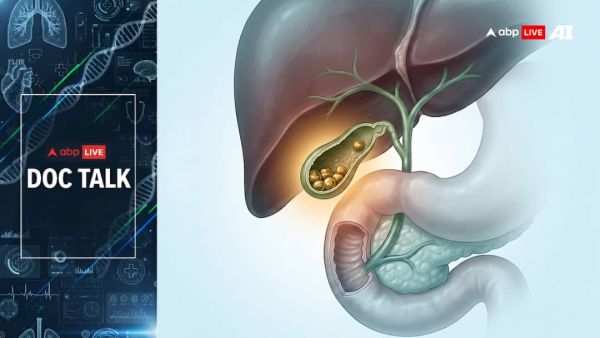
Gallstones are a common digestive condition, particularly among women and individuals over the age of 40. In most cases, gallstones remain harmless and may not cause noticeable symptoms. However, as oncologists, we advise that long-standing or untreated gallstone disease can, in rare cases, increase the risk of developing gallbladder cancer. While gallbladder cancer is relatively uncommon, it is often diagnosed at an advanced stage, making awareness and early monitoring essential.
How Gallstones Forms?
Gallstones form when bile, a digestive fluid stored in the gallbladder, becomes imbalanced and hardens into stone-like deposits. These stones can cause repeated irritation and chronic inflammation of the gallbladder lining. Persistent inflammation over many years may lead to cellular changes in the gallbladder wall. This continuous irritation is considered one of the major risk factors linking gallstones to gallbladder cancer.
Who Is At The risk?
It is important to note that not everyone with gallstones will develop cancer. In fact, the vast majority of people with gallstones never experience malignant changes. However, the risk increases in individuals with large gallstones, long-standing gallstone disease, or a condition known as 'porcelain gallbladder,' where the gallbladder wall becomes calcified due to chronic inflammation. Family history, obesity, certain infections, and lifestyle factors may further elevate the risk.
Symptoms That Can’t Be Ignored
Symptoms of gallbladder cancer can be subtle and often resemble common gallstone symptoms. Persistent abdominal pain in the upper right side, unexplained weight loss, loss of appetite, jaundice (yellowing of the skin and eyes), nausea, and bloating should not be ignored. If gallstone symptoms suddenly worsen or become persistent, further evaluation is necessary to rule out complications.
Diagnosis And Detection:
Diagnosis typically involves imaging tests such as ultrasound, CT scans, or MRI. In many cases, gallbladder cancer is incidentally detected after surgical removal of the gallbladder for gallstones. This is why individuals with recurrent gallstone attacks are often advised to consider timely surgical management rather than delaying treatment.
Prevention and early intervention play a crucial role. Maintaining a healthy weight, following a balanced diet low in saturated fats, and seeking medical care for recurring gallbladder symptoms can reduce complications. For patients with high-risk features, doctors may recommend proactive surgical removal of the gallbladder to eliminate the source of chronic inflammation.
Disclaimer: The information provided in the article is shared by experts and is intended for general informational purposes only. It is not a substitute for professional medical advice, diagnosis, or treatment. Always seek the advice of your physician or other qualified healthcare provider with any questions you may have regarding a medical condition.
Contact to : xlf550402@gmail.com
Copyright © boyuanhulian 2020 - 2023. All Right Reserved.