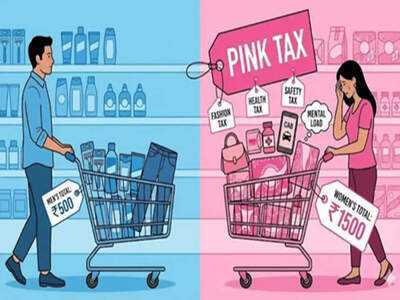
Imagine purchasing a razor, a fragrance, or a basic T-shirt alongside a male companion. Despite identical quality and weight, your item is either pink or labeled "For Women." Upon checkout, you discover that your total is 10% to 20% higher than his. This discrepancy is known as the Pink Tax.
The Nature of the Pink Tax
The Pink Tax isn't an official tax imposed by the government; rather, it reflects a marketing tactic where products aimed at women are priced higher than their male counterparts.
Where is the Pink Tax Found?
Personal Care Items: Everyday products like soap, shampoo, razors, and deodorants often see women paying more, with women's razors priced higher simply due to their color and packaging.
Clothing and Laundry: Women frequently face higher costs for clothing, attributed to design or tailoring. Even dry cleaning services can charge more for a woman's shirt compared to a man's.
Salon Services: Women often pay significantly more than men for haircuts, regardless of hair length.
Children's Toys: Toys or bicycles marketed towards girls, often in pink, tend to be pricier than similar items for boys.
Justifications from Companies
How Companies Defend Higher Prices:
Firms claim that products for women necessitate more intricate details, unique scents, or specialized packaging, attributing these costs to marketing and customization. However, this often exploits women's shopping behaviors and societal pressures to maintain appearances.
The Impact of Pay Disparity
Financial Burden:
The Pink Tax isn't merely a minor inconvenience; over a lifetime, women can end up spending millions more due to these inflated prices. Compounding this issue is the global pay gap, where women earn less than men for equivalent work yet face higher costs for essential items.
Conclusion
PC Social Media
Contact to : xlf550402@gmail.com
Copyright © boyuanhulian 2020 - 2023. All Right Reserved.