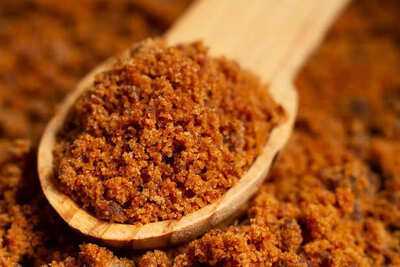
Are You Eating Fake Jaggery? Try This 1-Minute Test
Jaggery, commonly known as Jaggery or gur, is a staple ingredient in many Indian kitchens. From sweets and tea to traditional desserts, it is often considered a healthier alternative to refined sugar. But here’s a shocking truth many people don’t realize. Not all jaggery sold in markets is pure. Some products may contain additives like chalk powder or chemicals that affect both taste and health. The good news? A simple test recommended by Food Safety and Standards Authority of India can help you check jaggery purity in just a few minutes at home.
Why Jaggery Adulteration Happens
Jaggery is traditionally made by boiling sugarcane juice until it thickens and solidifies. The process usually requires no chemicals. However, some sellers may add substances like chalk powder or artificial colour to improve appearance or increase weight. These additives can make the product look more attractive but reduce its quality. Over time, consuming adulterated food products may affect health. This is why food safety authorities encourage consumers to be aware and check the purity of commonly used ingredients.
The Simple Water Test at Home
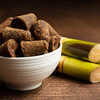
Testing jaggery purity at home is surprisingly easy. Take a small piece of jaggery and place it in a glass of clean water. Let it sit for a few minutes without stirring. If the jaggery dissolves completely, it is likely pure. However, if particles settle at the bottom of the glass, it may indicate impurities like chalk powder. This simple water test takes less than a minute and can help you quickly check the quality before using jaggery in food.
Natural Colour of Pure Jaggery
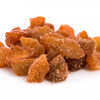
Colour can reveal a lot about jaggery quality. Natural jaggery generally appears golden brown or dark brown depending on the production method. If jaggery looks unusually bright yellow, it may have been treated with chemicals during processing. While colour alone cannot confirm purity, it can provide a useful clue when selecting jaggery in markets.
Texture Can Reveal QualityThe texture of jaggery can also help identify its quality. Pure jaggery is usually solid but slightly soft when broken. It should not feel overly hard like a stone or extremely sticky. A balanced texture indicates proper preparation from natural sugarcane juice. If the jaggery crumbles strangely or feels too powdery, it may contain additives.
Taste Is the Final TestTaste is one of the easiest ways to judge the quality of jaggery. Pure jaggery has a rich, natural sweetness with a slight earthy flavor that comes from sugarcane. The taste should feel smooth and balanced, not overly sharp or artificial. When you eat a small piece, it should melt slowly in the mouth and leave a pleasant sweetness. If the jaggery tastes bitter, unusually sour, or leaves a chemical-like aftertaste, it may contain additives or impurities. Good quality jaggery always has a clean and natural flavor. That is why tasting a small portion before using it in cooking can help ensure better quality.
Why Checking Food Purity MattersFood safety experts emphasize that awareness is the first step toward healthier eating habits. Organizations like the Food Safety and Standards Authority of India encourage consumers to check the quality of everyday food items before using them. Simple methods, such as the water test for Jaggery, can quickly reveal whether a product is pure or adulterated. These small checks take only a few minutes but can prevent long-term health risks caused by impurities and chemicals. By paying attention to food quality, families can make safer choices, protect their health, and ensure that the ingredients used in daily cooking remain natural, nutritious, and free from harmful additives.
Unlock insightful tips and inspiration on personal growth, productivity, and well-being. Stay motivated and updated with the latest at My Life XP.
Frequently Asked Questions (FAQs)
1. What is
Jaggery
and why is it popular in India?
Jaggery, also known as
gur, is a natural sweetener made by boiling sugarcane juice until it thickens and solidifies. It is widely used in Indian kitchens for sweets, drinks, and traditional dishes because it is considered a healthier alternative to refined sugar.
2. Why is jaggery sometimes adulterated?
Some sellers add substances like chalk powder or chemicals to improve the colour, texture, or weight of jaggery. These additives can make the product look more attractive but may reduce its quality and safety.
3. How can I test jaggery purity at home?
You can follow a simple water test suggested by the Food Safety and Standards Authority of India. Place a small piece of jaggery in a glass of water. If it dissolves completely, it is likely pure. If residue settles at the bottom, it may contain impurities.
4. What colour indicates pure jaggery?
Pure jaggery usually has a natural golden brown to dark brown colour. Very bright yellow jaggery may indicate chemical treatment during processing.
5. What texture should pure jaggery have?
Good quality jaggery is firm but slightly soft when broken. It should not be extremely hard, powdery, or sticky.
Why Jaggery Adulteration Happens
Market jaggery may sometimes contain impurities
Jaggery is traditionally made by boiling sugarcane juice until it thickens and solidifies. The process usually requires no chemicals. However, some sellers may add substances like chalk powder or artificial colour to improve appearance or increase weight. These additives can make the product look more attractive but reduce its quality. Over time, consuming adulterated food products may affect health. This is why food safety authorities encourage consumers to be aware and check the purity of commonly used ingredients.
The Simple Water Test at Home
A quick home test recommended by food experts
Testing jaggery purity at home is surprisingly easy. Take a small piece of jaggery and place it in a glass of clean water. Let it sit for a few minutes without stirring. If the jaggery dissolves completely, it is likely pure. However, if particles settle at the bottom of the glass, it may indicate impurities like chalk powder. This simple water test takes less than a minute and can help you quickly check the quality before using jaggery in food.
Natural Colour of Pure Jaggery
Pure jaggery usually has a golden or dark brown colour
Colour can reveal a lot about jaggery quality. Natural jaggery generally appears golden brown or dark brown depending on the production method. If jaggery looks unusually bright yellow, it may have been treated with chemicals during processing. While colour alone cannot confirm purity, it can provide a useful clue when selecting jaggery in markets.
Texture Can Reveal QualityThe texture of jaggery can also help identify its quality. Pure jaggery is usually solid but slightly soft when broken. It should not feel overly hard like a stone or extremely sticky. A balanced texture indicates proper preparation from natural sugarcane juice. If the jaggery crumbles strangely or feels too powdery, it may contain additives.
Taste Is the Final TestTaste is one of the easiest ways to judge the quality of jaggery. Pure jaggery has a rich, natural sweetness with a slight earthy flavor that comes from sugarcane. The taste should feel smooth and balanced, not overly sharp or artificial. When you eat a small piece, it should melt slowly in the mouth and leave a pleasant sweetness. If the jaggery tastes bitter, unusually sour, or leaves a chemical-like aftertaste, it may contain additives or impurities. Good quality jaggery always has a clean and natural flavor. That is why tasting a small portion before using it in cooking can help ensure better quality.
Why Checking Food Purity MattersFood safety experts emphasize that awareness is the first step toward healthier eating habits. Organizations like the Food Safety and Standards Authority of India encourage consumers to check the quality of everyday food items before using them. Simple methods, such as the water test for Jaggery, can quickly reveal whether a product is pure or adulterated. These small checks take only a few minutes but can prevent long-term health risks caused by impurities and chemicals. By paying attention to food quality, families can make safer choices, protect their health, and ensure that the ingredients used in daily cooking remain natural, nutritious, and free from harmful additives.
Unlock insightful tips and inspiration on personal growth, productivity, and well-being. Stay motivated and updated with the latest at My Life XP.
Frequently Asked Questions (FAQs)
1. What is
Jaggery
and why is it popular in India?
Jaggery, also known as
gur, is a natural sweetener made by boiling sugarcane juice until it thickens and solidifies. It is widely used in Indian kitchens for sweets, drinks, and traditional dishes because it is considered a healthier alternative to refined sugar.
2. Why is jaggery sometimes adulterated?
Some sellers add substances like chalk powder or chemicals to improve the colour, texture, or weight of jaggery. These additives can make the product look more attractive but may reduce its quality and safety.
3. How can I test jaggery purity at home?
You can follow a simple water test suggested by the Food Safety and Standards Authority of India. Place a small piece of jaggery in a glass of water. If it dissolves completely, it is likely pure. If residue settles at the bottom, it may contain impurities.
4. What colour indicates pure jaggery?
Pure jaggery usually has a natural golden brown to dark brown colour. Very bright yellow jaggery may indicate chemical treatment during processing.
5. What texture should pure jaggery have?
Good quality jaggery is firm but slightly soft when broken. It should not be extremely hard, powdery, or sticky.
Contact to : xlf550402@gmail.com
Copyright © boyuanhulian 2020 - 2023. All Right Reserved.