
Many people feel reassured after a routine health check-up when their blood pressure reading appears normal. It often creates a sense of relief, leading them to believe their heart health is perfectly stable and there is nothing to worry about. However, medical experts warn that relying on a single reading can sometimes be misleading. Blood pressure is not a fixed number; it naturally shifts throughout the day depending on several internal and external factors.
In some cases, individuals experience recurring symptoms such as headaches even though their clinical reports show normal readings. Doctors say this happens because blood pressure can fluctuate significantly during daily activities, meaning a one-time measurement may not always reflect the complete reality.
Think Fatty Liver Is Harmless? Experts Warn About The Lifestyle Habits Behind It
Why Blood Pressure Changes During The Day
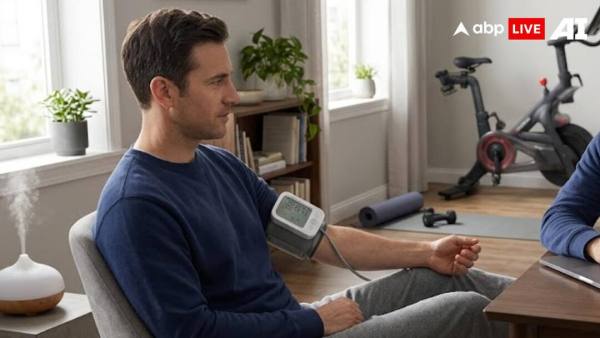
Blood pressure continuously responds to the body’s physical and emotional state. Stress levels, sleep quality, diet, physical activity and even mood can influence how it rises or falls. Because of this, readings taken at different times of the day may vary noticeably.
In certain situations, a condition known as masked hypertension may develop. This occurs when blood pressure appears normal during a medical appointment but becomes elevated during regular daily routines. When such fluctuations persist over time, they can gradually place extra strain on the heart and blood vessels, increasing long-term health risks.
What Experts Say About Repeated Headaches
Health specialists suggest that unexplained, recurring headaches may sometimes be linked to these hidden changes in blood pressure. Cardiologist Dr Geetish Govil notes that many individuals assume a normal reading automatically means there is no risk of hypertension. In reality, some people experience repeated spikes and drops in blood pressure throughout the day, which may silently affect the body over time.
Such fluctuations can occasionally trigger discomfort in the head, particularly when blood pressure rises suddenly.
Lifestyle Habits That May Contribute
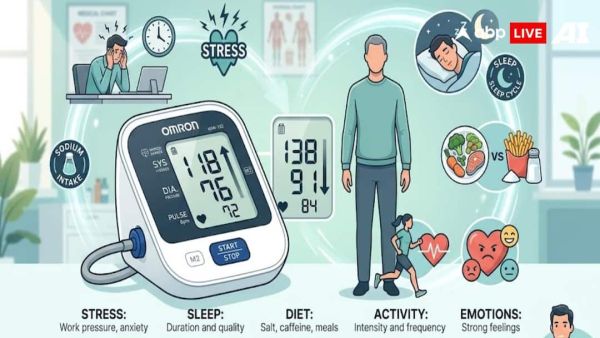
Several everyday habits can contribute to unstable blood pressure levels. High stress, insufficient sleep, excessive salt consumption, obesity, smoking and lack of physical activity are among the most common factors associated with these changes.
Interestingly, the condition can also develop gradually in individuals who otherwise appear healthy. When blood pressure increases suddenly, the resulting headache often feels slightly different. Some people report a heavy sensation at the back of the head, particularly in the morning. Experts explain that rising blood pressure may increase pressure within the brain’s blood vessels, which can lead to this discomfort.
Why Regular Monitoring Matters
Doctors often emphasise that the body sends subtle warning signals that many people overlook. Symptoms such as early-morning headaches, blurred vision, breathlessness during mild activity or unexplained fatigue may indicate fluctuating blood pressure levels.
For this reason, experts recommend monitoring blood pressure regularly rather than relying on a single test result. Consistent tracking helps reveal patterns over time, allowing individuals and healthcare professionals to understand the true condition of heart health and take preventive steps when needed.
[Disclaimer: The information provided in the article is intended for general informational purposes only. It is not a substitute for professional medical advice, diagnosis, or treatment. Always seek the advice of your physician or other qualified healthcare provider with any questions you may have regarding a medical condition.]
Contact to : xlf550402@gmail.com
Copyright © boyuanhulian 2020 - 2023. All Right Reserved.