Why This Simple Leaf Is Lord Shiva's Favorite Offering
In many temples, devotees offer flowers, fruits, milk, and sweets to Lord Shiva, but one offering stands above all a simple green leaf called Belpatra. It has no fragrance, no bright color, no luxury, yet it is deeply cherished by Shiva. For centuries, devotees have placed Belpatra gently on the Shivling, often unaware of its hidden significance. Legends say it carries the divine energy of Goddess Parvati, symbolizes Shiva’s three eyes, and represents purity, devotion, and surrender of body, mind, and soul to the deity.
The Divine Origin of the Bel Tree
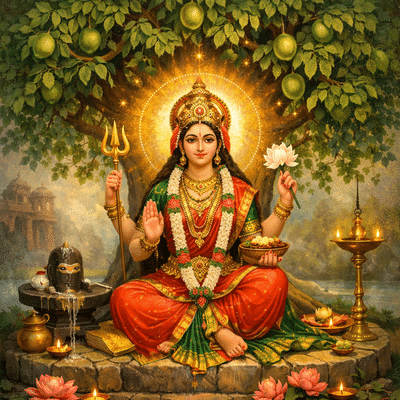
According to ancient legends, the Bel tree is not an ordinary plant. It is believed to have emerged from the divine energy of Goddess Parvati. Some scriptures say it was formed from the sacred sweat of the goddess during intense meditation. Because of this origin, every part of the Bel tree is considered holy. When devotees offer Belpatra to Lord Shiva, they are symbolically offering the sacred presence of Parvati herself. This act represents the union of divine energies and becomes a powerful gesture of devotion.
The Story of the Simple Devotee
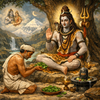
One legend tells the story of a simple forest dweller who knew nothing about elaborate rituals. Every day, he would place Belpatra leaves on a Shivling found deep in the forest. He did this with pure love, without understanding the formal methods of worship. Yet his devotion moved Lord Shiva so deeply that the god granted him liberation. The message of this story is simple but powerful: Shiva values sincere devotion far more than complex rituals or grand offerings.
The Secret Meaning of the Three Leaves

Most Belpatra offerings contain three leaves joined together, known as Tripatra. These three leaves symbolize the three eyes of Lord Shiva—the sun, the moon, and the fire of divine wisdom. They also represent the three fundamental qualities of nature: Sattva, Rajas, and Tamas. Some spiritual interpretations say the three leaves also reflect the three syllables of Om, which stand for creation, preservation, and destruction. When devotees offer this Tripatra leaf, they symbolically surrender their body, mind, and soul to Shiva.
Why Belpatra Is Considered Spiritually PowerfulOffering Belpatra is believed to cleanse negative karma and purify the mind. Devotees often place it on the Shivling during sacred occasions like Maha Shivratri and during the holy month of Sawan. According to spiritual beliefs, even the gravest sins can be forgiven when Belpatra is offered with sincere devotion. The act may look simple, but its spiritual meaning is profound it represents humility, surrender, and deep love for the divine.
The Lesson Shiva Teaches Through BelpatraThe deeper lesson behind Belpatra worship is surprisingly simple. Lord Shiva is known as the god who accepts even the simplest offerings. Unlike many deities associated with wealth and grandeur, Shiva is pleased with the smallest gestures of faith. A humble leaf offered with love can hold more value than expensive rituals performed without devotion. Belpatra reminds devotees that true spirituality does not depend on material offerings but on the purity of the heart.
Unlock insightful tips and inspiration on personal growth, productivity, and well-being. Stay motivated and updated with the latest at My Life XP.
Frequently Asked Questions (FAQs)
1. Why is Belpatra considered sacred in Shiva worship?
Belpatra, or the leaves of the Bel tree, are sacred because they are believed to carry the divine energy of Goddess Parvati. Offering them to Lord Shiva is a symbol of devotion, surrender, and spiritual purity.
2. What does the Tripatra (three-leaf) Belpatra symbolize?
The three leaves represent Shiva’s three eyes sun, moon, and fire. They also symbolize the three gunas (Sattva, Rajas, Tamas) and the three syllables of Om: creation, preservation, and destruction. Offering Tripatra signifies surrender of body, mind, and soul to Shiva.
3. Can Belpatra offerings remove sins?
Yes. According to scriptures, sincerely offering Belpatra with devotion can cleanse negative karma and even forgive grave sins.
4. When is Belpatra most auspicious to offer?
Belpatra is especially significant during Maha Shivratri, Mondays of Sawan, and other special Shiva rituals.
5. Do you need elaborate rituals to please Shiva with Belpatra?
No. Legends show that Lord Shiva values sincere devotion above all. Even a simple, heartfelt offering of Bel leaves can bring his blessings.
The Divine Origin of the Bel Tree
The Bel tree is believed to carry the divine energy of Goddess Parvati.
According to ancient legends, the Bel tree is not an ordinary plant. It is believed to have emerged from the divine energy of Goddess Parvati. Some scriptures say it was formed from the sacred sweat of the goddess during intense meditation. Because of this origin, every part of the Bel tree is considered holy. When devotees offer Belpatra to Lord Shiva, they are symbolically offering the sacred presence of Parvati herself. This act represents the union of divine energies and becomes a powerful gesture of devotion.
The Story of the Simple Devotee
A humble devotee once pleased Shiva with simple Belpatra offerings.
One legend tells the story of a simple forest dweller who knew nothing about elaborate rituals. Every day, he would place Belpatra leaves on a Shivling found deep in the forest. He did this with pure love, without understanding the formal methods of worship. Yet his devotion moved Lord Shiva so deeply that the god granted him liberation. The message of this story is simple but powerful: Shiva values sincere devotion far more than complex rituals or grand offerings.
The Secret Meaning of the Three Leaves
The three leaves symbolize powerful spiritual concepts in Shiva worship.
Most Belpatra offerings contain three leaves joined together, known as Tripatra. These three leaves symbolize the three eyes of Lord Shiva—the sun, the moon, and the fire of divine wisdom. They also represent the three fundamental qualities of nature: Sattva, Rajas, and Tamas. Some spiritual interpretations say the three leaves also reflect the three syllables of Om, which stand for creation, preservation, and destruction. When devotees offer this Tripatra leaf, they symbolically surrender their body, mind, and soul to Shiva.
Why Belpatra Is Considered Spiritually PowerfulOffering Belpatra is believed to cleanse negative karma and purify the mind. Devotees often place it on the Shivling during sacred occasions like Maha Shivratri and during the holy month of Sawan. According to spiritual beliefs, even the gravest sins can be forgiven when Belpatra is offered with sincere devotion. The act may look simple, but its spiritual meaning is profound it represents humility, surrender, and deep love for the divine.
The Lesson Shiva Teaches Through BelpatraThe deeper lesson behind Belpatra worship is surprisingly simple. Lord Shiva is known as the god who accepts even the simplest offerings. Unlike many deities associated with wealth and grandeur, Shiva is pleased with the smallest gestures of faith. A humble leaf offered with love can hold more value than expensive rituals performed without devotion. Belpatra reminds devotees that true spirituality does not depend on material offerings but on the purity of the heart.
Unlock insightful tips and inspiration on personal growth, productivity, and well-being. Stay motivated and updated with the latest at My Life XP.
Frequently Asked Questions (FAQs)
1. Why is Belpatra considered sacred in Shiva worship?
Belpatra, or the leaves of the Bel tree, are sacred because they are believed to carry the divine energy of Goddess Parvati. Offering them to Lord Shiva is a symbol of devotion, surrender, and spiritual purity.
2. What does the Tripatra (three-leaf) Belpatra symbolize?
The three leaves represent Shiva’s three eyes sun, moon, and fire. They also symbolize the three gunas (Sattva, Rajas, Tamas) and the three syllables of Om: creation, preservation, and destruction. Offering Tripatra signifies surrender of body, mind, and soul to Shiva.
3. Can Belpatra offerings remove sins?
Yes. According to scriptures, sincerely offering Belpatra with devotion can cleanse negative karma and even forgive grave sins.
4. When is Belpatra most auspicious to offer?
Belpatra is especially significant during Maha Shivratri, Mondays of Sawan, and other special Shiva rituals.
5. Do you need elaborate rituals to please Shiva with Belpatra?
No. Legends show that Lord Shiva values sincere devotion above all. Even a simple, heartfelt offering of Bel leaves can bring his blessings.
Contact to : xlf550402@gmail.com
Copyright © boyuanhulian 2020 - 2023. All Right Reserved.