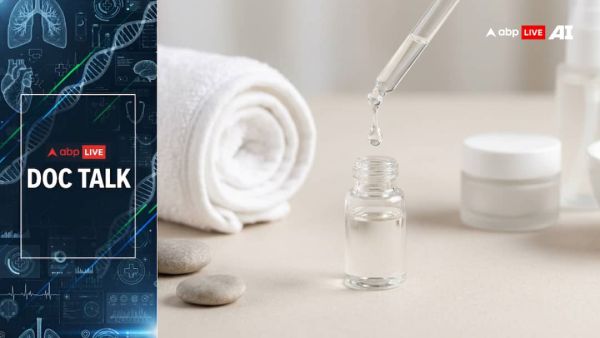
In formulation, ingredients tend to last for one simple reason. They work. Mineral oil remains relevant today because of its legacy as well as its ability to deliver stability, consistency, and control across an unusually wide range of products.
As trends have come and gone, the fundamentals of formulation have stayed the same. Products need to remain stable on the shelf, feel good in use, and perform predictably across climates and conditions. Mineral oil has met these requirements in everything from classic cold creams to modern emulsions, sunscreens, and hair oils. That reliability explains why it remains part of the formulator’s toolkit today.
What Formulators Value About Mineral Oil
Multiple viscosity options
Available in a range of grades, mineral oil allows precise control over texture, spread, and after-feel, from lightweight lotions to rich occlusive products.
Lubrication and surface protection
Its lubricating properties enhance glide and spreadability, contributing to smooth application on skin and reduced friction on hair.
Exceptional stability
Mineral oil resists oxidation, pH variation, and temperature stress, helping formulations maintain integrity under real-world storage and usage conditions.
Broad formulation compatibility
It integrates easily with gels, oil-based systems, and emulsions, supporting use across lip care, baby care, sunscreens, hair oils, and some wash-off products.
Flexible usage levels
Concentrations can range from low supporting percentages to near-total composition in occlusive products, offering formulators significant design freedom.
Why It Continues To Be Chosen
Formulation decisions are rarely about a single attribute. Safety, cost, scalability, and consumer tolerance all matter. Mineral oil performs reliably across each of these dimensions.
Its inert, non-reactive nature and hypoallergenic profile support its use in products designed for sensitive skin. Its predictability reduces formulation risk. And its cost-effectiveness allows brands to focus investment where it matters most, without compromising base performance.
This is reflected in products consumers already trust. Mineral oil plays an integral role in several popular product formulations, contributing to texture, occlusion, and protection. Body lotions use it for emolliency and stability, while hair and skin care products rely on it for spreadability and consistency. In many of these products, mineral oil works quietly in the background, supporting performance rather than drawing attention to itself.
Built On Refinement And Consistency
That reliability begins with how cosmetic-grade mineral oil is made. Through a rigorous refining process that removes impurities such as sulphur compounds, metals, and aromatics, the final ingredient is highly purified and stable.
Unlike many natural oils, mineral oil does not oxidize, turn rancid, or vary from batch to batch. For formulators, this consistency simplifies development and supports long-term product quality.
A Supporting Role That Still Matters
Mineral oil adapts easily across categories. It supports glide in lip care, even film formation in sunscreens, and manageability in hair care when used thoughtfully.
Even in portfolios built around botanical heroes, mineral oil often plays a supporting role to achieve the right balance of texture, stability, and sensory feel. These are formulation decisions grounded in performance, not ideology.
Mineral oil remains a modern essential, valued for doing its job consistently and well. In a space where reliability is often underestimated, its contribution continues to shine through.
Disclaimer: The information provided in the article is shared by experts and is intended for general informational purposes only. It is not a substitute for professional medical advice, diagnosis, or treatment. Always seek the advice of your physician or other qualified healthcare provider with any questions you may have regarding a medical condition.
Contact to : xlf550402@gmail.com
Copyright © boyuanhulian 2020 - 2023. All Right Reserved.