
Norovirusand food poisoning share a host of similar symptoms, but require different care during recovery. One pharmacist highlighted the key differences between the two conditions and how people can best protect themselves.
Niamh McMillan, Superdrug’s Pharmacy Superintendent warned the symptoms can seem “almost identical” but the key difference lies when these symptoms start. Norovirusis caused by a common virus triggering inflammation in the digestive tract while the other involves harmful bacteria, parasites or viruses that is spread by contaminated food.
The expert explained that norovirus symptoms tend to begin between 12 hours and eight days after a person becomes infected with the virus. Diarrhoea and vomiting are the most common signs of norovirus followed by headaches and lightheadedness.
- Practitioner says omeprazole may cause 'two problems' for anyone on it for reflux
- Couple stranded in Philippines with serious injuries after holiday crash
Food poisoning will usually trigger symptoms within two to six hours after eating the contaminated food. Alongside the vomiting and diarrhoea symptoms, food poisoning may cause fever, loss of appetite, aches and chills.
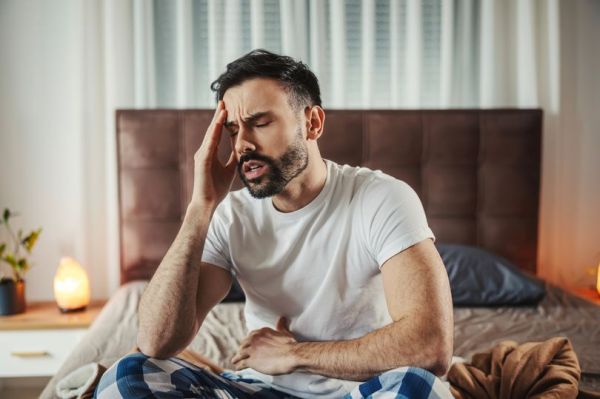
In both cases, resting and hydrating are the key to recovery. The pharmacist noted: “Both norovirus and food poisoning can be exhausting, so it’s important to get as much rest as possible. Both illnesses also run the risk of becoming dehydrated.
“Superdrug’s Rehydration Sachets can help replace the essential fluids and salts that are lost through diarrhoea. Paracetamol can also help with aches and pains that can be experienced during norovirus and food poisoning.”
There is no specific cure or antibiotic for norovirus but people are recommended stay home in order to prevent the spread. Food poisoning on the other hand is spread by the contaminated food so ill people are urged not to handle food.
Pharmacists can help recommend treatments for both conditions will may include paracetamol, rehydration treatments or medications to stop diarrhoea.
McMillan added: “Norovirus is also referred to as the ‘winter vomiting bug’ due to its prevalence during the colder months, however it can be caught at any time of the year. Food poisoning is caused by eating food that has been contaminated by harmful bacteria, parasites or viruses which then irritates and infects your digestive system.”
It can be difficult to prevent and protect against both of these diseases but there are some simple steps people can implement to minimise their chances of falling ill.
Norovirus is spread by coming into contact with an ill person or contaminated surfaces. This can include contaminated food and water. McMillan shared: “A person suffering from norovirus is most contagious from the moment they start feeling ill to at least three days after recovery.
“Food poisoning can also be considered contagious, especially if it’s caused by certain bacteria, viruses or parasites. If food poisoning is caused by toxins in the food, then it isn’t considered contagious.”
The pharmacist noted food safety is a particularly important part of avoiding food poisoning: “This includes making sure all food, in particular meat, is cooked thoroughly. Using a thermometer can be a helpful way to ensure food is cooked to a high enough temperature in order to kill harmful bacteria.
“Unfortunately there’s no set time frame for the body to get over norovirus or food poisoning and instead you will need to wait for the virus or bacteria to work itself out of your system. Seek further medical advice if norovirus or food poisoning symptoms worsen, including blood within diarrhoea, high temperature and if you can’t keep fluids down.”
Contact to : xlf550402@gmail.com
Copyright © boyuanhulian 2020 - 2023. All Right Reserved.