
Brits are being told to take precautions when going outdoors for the next seven months, including carrying a specific item with them. Despite the mild and overcast weather that comes with early spring, conditions can still be strong enough to cause harm, experts warn.
People from Cancer Research UK and the British Association of Dermatologists recommend taking sun safety measures between March and October - this includes applying suncream and keeping a bottle handy for reapplication as needed. These are the months when the UV Index can hit three or above, at which point people should take steps to shield themselves from potential damage.
The UV Index gauges the strength of ultraviolet radiation from the sun. It ranges from a score of one to an 'extreme' rating of 11 - and higher scores generally indicate a greater need for skin and eye protection, reports the Express.
- Practitioner says omeprazole may cause 'two problems' for anyone on it for reflux
- NHS medicines that can mix badly with omeprazole as warning issued
Specialists from Which? said: "Temperatures may still be relatively chilly, so you might not feel the signs on your skin, but the UV Index is already registering readings of three or four by spring, which the Met Office says should prompt you to seek shade during midday hours, cover up, and wear sunscreen.
"There's also a biological and atmospheric reason April can be surprisingly 'burny'. According to the UK Health Security Agency, occasional springtime 'low ozone' events over the northern hemisphere can let more UVB through than usual for the time of year."
"Because ozone filters out much of the burning UVB, these episodes can mean that, on a clear day in April, your skin may get more burning UV than you'd expect - sometimes rivalling what you might get on a hazy high-summer day." Despite clouds blocking some UV, over 90% can still penetrate light clouds and result in sunburn.
Light or thin clouds may even amplify UV levels through a process called scattering. When the UK experiences scores of three or higher, people are generally advised to take certain precautions.
The NHS also supports this "March to October" rule, stating that people need to be cautious between 11am and 3pm. A spokesperson for the service suggested that Brits need to "strike a balance" between shielding themselves from the sun and obtaining sufficient vitamin D from sunlight.
The NHS further added: "Sunburn increases your risk of skin cancer. Sunburn does not just happen on holiday. You can burn in the UK, even when it's cloudy."
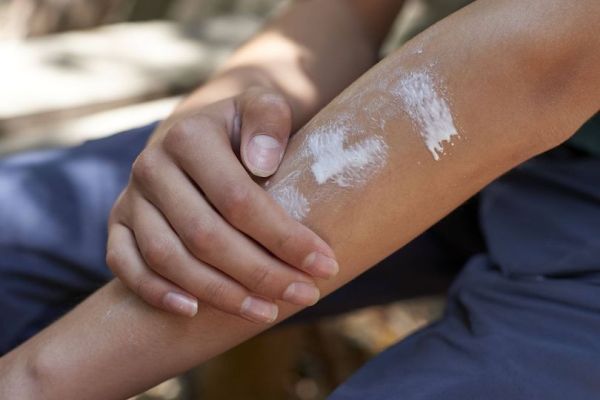
What are the best precautions to take?
One of the most common methods to minimise sun damage while enjoying the outdoor weather and activities is to apply sunscreen. However, people should not presume that an old bottle from the previous summer is still safe to use.
Which? said: "Sunscreen generally lasts for one or two years after opening, so check the icon of a circular pot with an open lid that you'll find on the back of the bottle to see what timeframe applies. Replace it with a newer bottle if necessary, as there's no guarantee the active ingredients will still work optimally if it's past its best."
Make sure sunscreen is applied to all exposed skin, with key burning hotspots including the nose, ears, back of the neck and shoulders, and the scalp. Areas that don't usually see much sun, such as the soles of your feet or backs of your knees, are equally at risk.
The NHS warned on its website that people shouldn't rely solely on sunscreen when protecting their skin from the sun. One of the best ways to protect skin is to avoid exposure altogether when possible.
A spokesperson advised: "Do not rely on sunscreen alone to protect yourself from the sun. Wear suitable clothing and spend time in the shade when the sun's at its hottest. Avoid getting caught out by sunburn. Use shade, clothing and a sunscreen with an SPF of at least 30 to protect yourself."
Contact to : xlf550402@gmail.com
Copyright © boyuanhulian 2020 - 2023. All Right Reserved.