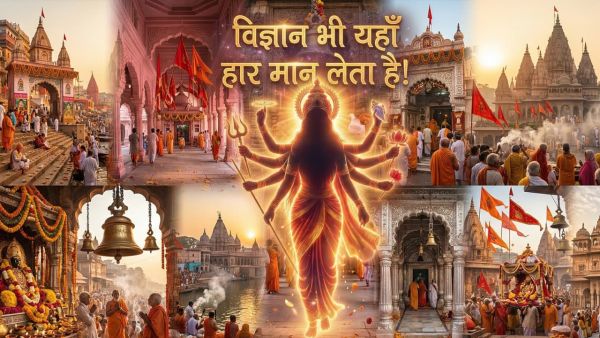
10 Miraculous Devi Temples in Uttar Pradesh: 10 Siddha Devi Temples of Uttar Pradesh where miracles are witnessed even today. From Maa Vindhyavasini to Alopi Devi, know the secret of these Shaktipeeths, mythological history and true stories of the unwavering faith of the devotees. Start your spiritual journey for Navratri 2026 from here.
Chaitra Navratri 2026: The land of Uttar Pradesh has been considered the center of faith and belief since the beginning. Devotion resides in every particle here. When it comes to the manifestations of the goddess of power i.e. Maa Durga, UP has a very rich spiritual heritage. There are many such ancient and proven temples here, the stories and miracles related to them still surprise people. Whether you are looking for peace or want to know the history and culture closely, these temples bring a different experience for you.
In today's era, where we often feel alone in our busy lives, these religious places give us a new energy and confidence. let us know Uttar Pradesh About those 10 special goddess temples, whose glory still attracts devotees.
1. Maa Vindhyavasini Temple, Vindhyachal (Mirzapur)
The temple of Maa Vindhyavasini situated on the banks of Ganga in Mirzapur district is considered to be one of the most powerful Shaktipeeths. It is said about this temple that Mother Durga had chosen this place as her residence after killing Mahishasura.
According to mythology, Mother Vindhyavasini was born from the womb of Yashoda, and when Kansa tried to kill her, she escaped from his hands and appeared in divine form. Here mother is also known as 'Kajri Devi'. During Navratri, there is a huge crowd of devotees here and the administration has to make strict security arrangements. Presently the Yogi government is building 'Vindhya Corridor' here, which will further enhance the beauty of this holy place.
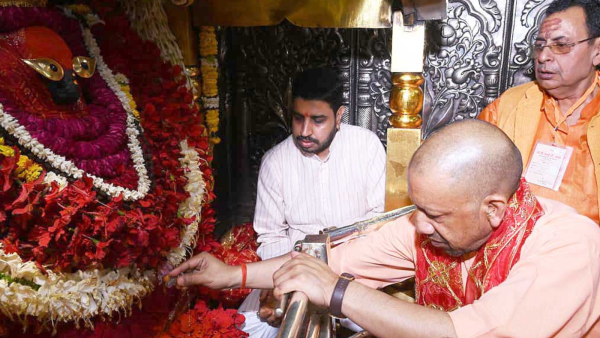
2. Alopi Devi Temple, Prayagraj
Alopi Devi Temple, located near the Sangam bank of Prayagraj, is one of the most unique temples in the world. The biggest specialty here is that there is no idol of the goddess here. Devotees worship an empty 'doli' or palanquin here.
The name 'Alopi' means 'to disappear'. It is believed that the fingers of Goddess Sati's hand (Hastangul) had fallen here and she had disappeared from here. This place is considered a symbol of karma and creation. The mysterious energy and peace here gives a unique peace to the devotees.
3. Vishalakshi Temple, Varanasi
Vishalakshi Shaktipeeth, located near Manikarnika Ghat in the streets of Kashi, is considered very impressive. According to the Puranas, the ear rings of Mother Sati had fallen here. 'Vishalakshi' means 'one with big eyes'.
This temple is directly related to spiritual knowledge and liberation. This place reminds of the impermanence of life and immortality of the soul. South Indian devotees, especially those from Tamil Nadu, have a deep faith in this temple and it was also built by the Nattukottai Nagarathar community.
4. Siddhapeeth Maa Shakumbhari Devi, Saharanpur
The temple of Maa Shakumbhari Devi situated amidst the Shivalik hills of Saharanpur is considered very ancient and proven. Every year lakhs of devotees come here for darshan.
It is said that here the Mother had grown vegetables through her penance, which satisfied the world's hunger, hence she was named Shakumbhari. The atmosphere here is worth seeing during Navratri and Diwali. In recent times, youth participation has increased a lot here, which shows that the new generation also wants to connect with their roots.
5. Chandrika Devi Temple, Lucknow
Chandrika Devi Temple, situated on the serene banks of Gomti River near Lucknow, is about 300 years old. It is also mentioned in sacred texts like Skanda and Kurma Purana.
According to an ancient legend, Lakshman ji's elder son prayed to his mother for protection when he got trapped in a dense forest near the Gomti River and the goddess appeared and saved him. Another belief is that in the Dwapar era, Barbarik (son of Ghatotkacha) had performed penance here for three years. A huge statue of Lord Shiva is installed in the middle of 'Sudhanva Kund' located here, which looks very attractive.
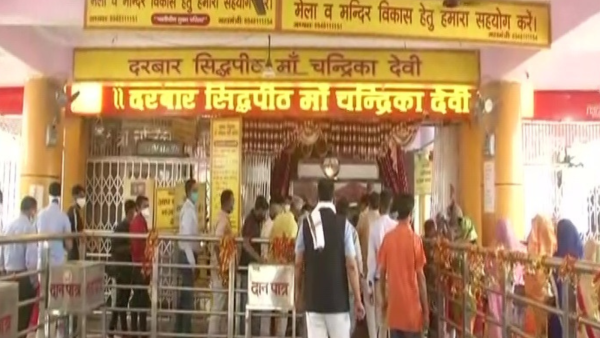
6. Jwala Devi Temple, Sonbhadra
Jwala Devi Temple located in Shaktinagar of Sonbhadra district is considered to be about 1000 years old. It is one of the 51 Shaktipeeths, where the front part of the jihva (tongue) of Goddess Sati had fallen.
The biggest feature here is that people offer a gold or silver tongue to the Mother Goddess when their wishes are fulfilled. The temple has been worshiped by the same family of priests for the last 12 generations, which reflects its ancient tradition. Jwalamukhi Cave is also located nearby, which is a center of attraction for devotees.
7. Lalita Devi Shaktipeeth, Naimisharanya (Sitapur)
Naimisharanya is considered to be the abode of sages and the heart of Mother Sati had fallen in the Lalita Devi temple situated here. Lalita Devi is considered the protector goddess of Naimisharanya.
It is said that when the demons started harassing the sages, Mother Lalita appeared and destroyed them. Near the temple there is a banyan tree named 'Akshay Vat', which is believed to never lose its leaves and is a symbol of eternal knowledge. Worshiping here provides mental peace and freedom from obstacles.
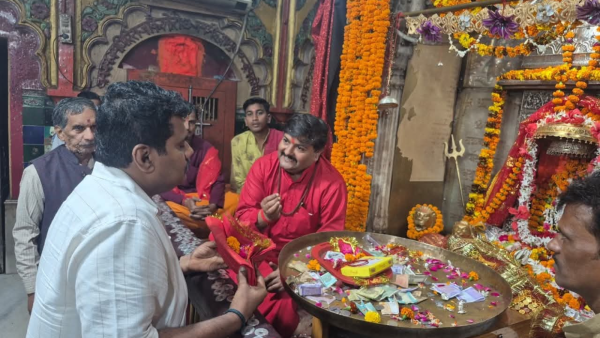
8. Katyayani Shaktipeeth, Mathura
Katyayani Shaktipeeth situated near Mathura-Vrindavan is the place where the hair of Mata Sati had fallen. Hair is considered a symbol of strength and vitality.
Here mother is worshiped in her warrior form. This temple is very special for those who want improvement in their relationships or want courage and clarity in life. Situated on the land of Krishna, this temple offers a beautiful confluence of devotion and power.
9. Shivani Devi Temple, Chitrakoot
Located in Ramgiri Hills, Chitrakoot, this temple is built at the place where a part (chest) of Mata Sati had fallen. Here the goddess is worshiped as 'Shivani Devi'.
Compared to many other temples, the energy here feels very calm and motherly. People come here to balance their emotions and find mental peace. The natural surroundings here and the affectionate form of the Goddess take the devotees away from stress.
10. Panchsagar Shaktipeeth, Varanasi
There is another important Shaktipeeth in Varanasi which is called Panchsagar. It is believed that the lower teeth of Goddess Sati had fallen here. Teeth are a symbol of strength and survival.
Although there may be some differing opinions among scholars regarding its exact location, its great importance has been mentioned in the scriptures. This Shaktipeeth reminds us that the power of the universe not only creates but is also the basis for sustaining life.
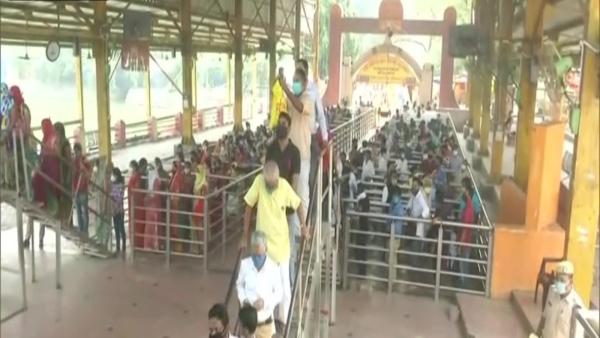
Some important things for devotees
If you are planning to visit these temples, then keeping some things in mind will make your journey easier.
- Best time to visit: Although devotees come here throughout the year, but during Navratri (Chaitra and Ashwin) the experience here is completely different. The winter season (October to March) is the most comfortable to visit.
- How to reach: All these temples are well connected by road and rail. For example, from Lucknow Airport you can easily reach Sitapur (Naimisharanya). Direct flights and trains are available to Varanasi and Prayagraj.
- Local Traditions: Every temple has its own rituals. Like in Alopi Devi, palanquin is worshiped instead of idol. It is important to respect these traditions.
These temples of Uttar Pradesh are not just stone buildings, but they are the support of faith of millions of people. There is a power in the air here that draws you towards itself. Whether you are religious or not, the history and atmosphere of these places will definitely impress you.
Contact to : xlf550402@gmail.com
Copyright © boyuanhulian 2020 - 2023. All Right Reserved.