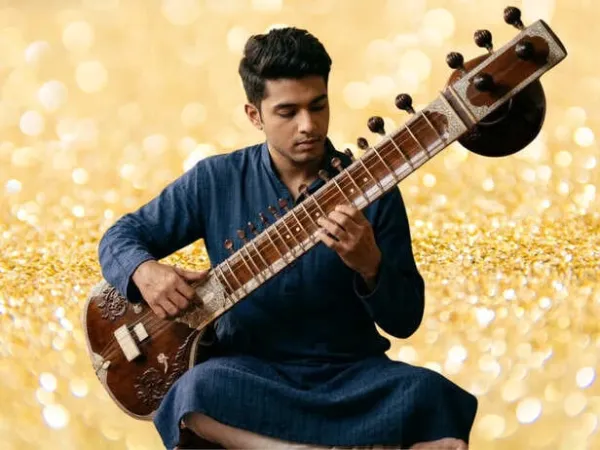
From classical to cutting-edge: The Sitar’s bold reinvention sounds insane
For a long time, the sitar has been seen as an instrument of tradition, deeply tied to Indian classical music, discipline, and centuries-old practice.
Its identity was shaped by maestros like Ravi Shankar, whose performances brought the instrument global recognition while staying rooted in classical purity. But today, that image is rapidly evolving.
A new wave of sitar players is breaking away from expectations and pushing the instrument into completely uncharted territory. They're not abandoning tradition, they're expanding it. And in the process, they're doing something few imagined: playing the sitar with the energy, aggression, and versatility of an electric guitar.
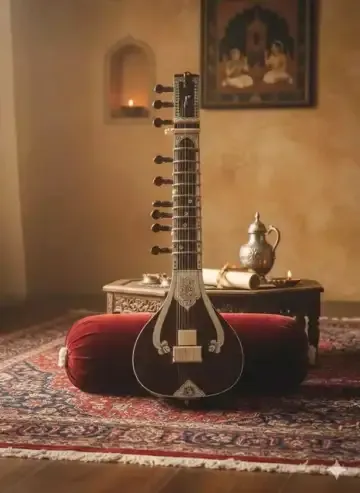 Pinterest | A new wave of sitar players is breaking away from expectationsMoving beyond the classical mold
Historically, the sitar demanded years of disciplined learning under the guru-shishya tradition. Musicians dedicated their lives to mastering ragas, technique, and nuance. That foundation still holds value, but today's artists are choosing not to be confined by it.
Instead, they're experimenting across genres, rock, jazz, electronic, and even indie fusion. The sitar is no longer restricted to slow, meditative compositions; it's stepping into fast-paced, high-energy soundscapes that appeal to a much broader audience.
This shift isn't about rejecting classical music, it's about reimagining what the instrument can do.
A new wave of sitar players is breaking away from expectations and pushing the instrument into completely uncharted territory. They're not abandoning tradition, they're expanding it. And in the process, they're doing something few imagined: playing the sitar with the energy, aggression, and versatility of an electric guitar.
Pinterest | A new wave of sitar players is breaking away from expectationsMoving beyond the classical moldHistorically, the sitar demanded years of disciplined learning under the guru-shishya tradition. Musicians dedicated their lives to mastering ragas, technique, and nuance. That foundation still holds value, but today's artists are choosing not to be confined by it.
Instead, they're experimenting across genres, rock, jazz, electronic, and even indie fusion. The sitar is no longer restricted to slow, meditative compositions; it's stepping into fast-paced, high-energy soundscapes that appeal to a much broader audience.
This shift isn't about rejecting classical music, it's about reimagining what the instrument can do.
A guitar-like approach with a unique soul
One of the most striking changes is in how the sitar is being played. Modern sitarists are adopting techniques that resemble electric guitar performance, rapid strumming, sharper plucks, and more rhythmic intensity.
But the result isn't a copy of the guitar. The sitar's structure, especially its sympathetic strings, creates a layered, resonant sound that feels richer and more immersive. When combined with this new playing style, it produces something entirely original.
The energy feels familiar, but the sound is unmistakably its own. That's what makes it so compelling.
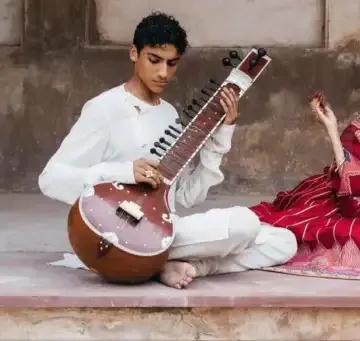 Pinterest | sitar demanded years of disciplined learning under the guru-shishya traditionA global, digital influence
The internet has played a huge role in this transformation. Musicians today are exposed to global sounds instantly, and that influence is clearly reflected in how they approach traditional instruments.
Sitar players are now collaborating with electronic producers, bands, and independent artists across the world. Fusion projects are becoming more common, blending Eastern and Western elements in ways that feel seamless rather than forced.
Platforms like Instagram and YouTube have also helped popularize this new style. Short clips of high-energy sitar performances are going viral, capturing the attention of younger audiences who might never have explored classical music otherwise.Tradition vs innovation
As with any shift, this evolution has sparked debate. Some purists worry that changing the way the sitar is played could dilute its cultural significance. But others see it as a sign of growth, a way to keep the instrument relevant in a rapidly changing musical landscape.
After all, music has never been static. Every generation reinterprets it in its own way. The sitar itself has evolved over time, shaped by different artists and influences.
What's happening now is not a departure from tradition, but a continuation of it, just in a more experimental direction.
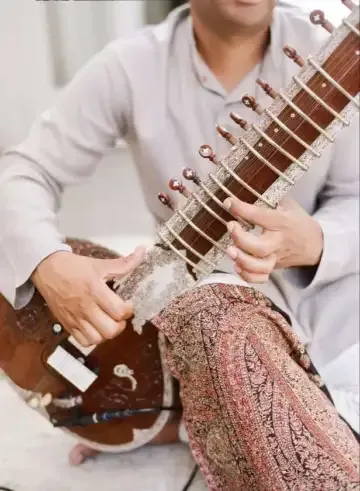 Pinterest | The sitars structure, especially its sympathetic stringsThe future of the sitar
There's something powerful about hearing an instrument break free from its expected role. The sitar, once associated primarily with classical performances, is now proving it can be just as dynamic and versatile as any modern instrument.
This new approach is changing how people perceive not just the sitar, but Indian music as a whole. It's making it more accessible, more relatable, and more exciting for a global audience.
Sitar players today are doing more than just performing, they're redefining possibilities. By blending traditional depth with modern energy, they are creating a sound that feels fresh, bold, and forward-looking.
It may have been unexpected, but now it feels inevitable. And if this is the direction the sitar is heading, the future of music sounds incredibly exciting.
The energy feels familiar, but the sound is unmistakably its own. That's what makes it so compelling.
Pinterest | sitar demanded years of disciplined learning under the guru-shishya traditionA global, digital influenceThe internet has played a huge role in this transformation. Musicians today are exposed to global sounds instantly, and that influence is clearly reflected in how they approach traditional instruments.
Sitar players are now collaborating with electronic producers, bands, and independent artists across the world. Fusion projects are becoming more common, blending Eastern and Western elements in ways that feel seamless rather than forced.
Platforms like Instagram and YouTube have also helped popularize this new style. Short clips of high-energy sitar performances are going viral, capturing the attention of younger audiences who might never have explored classical music otherwise.Tradition vs innovation
As with any shift, this evolution has sparked debate. Some purists worry that changing the way the sitar is played could dilute its cultural significance. But others see it as a sign of growth, a way to keep the instrument relevant in a rapidly changing musical landscape.
After all, music has never been static. Every generation reinterprets it in its own way. The sitar itself has evolved over time, shaped by different artists and influences.
What's happening now is not a departure from tradition, but a continuation of it, just in a more experimental direction.
Pinterest | The sitars structure, especially its sympathetic stringsThe future of the sitarThere's something powerful about hearing an instrument break free from its expected role. The sitar, once associated primarily with classical performances, is now proving it can be just as dynamic and versatile as any modern instrument.
This new approach is changing how people perceive not just the sitar, but Indian music as a whole. It's making it more accessible, more relatable, and more exciting for a global audience.
Sitar players today are doing more than just performing, they're redefining possibilities. By blending traditional depth with modern energy, they are creating a sound that feels fresh, bold, and forward-looking.
It may have been unexpected, but now it feels inevitable. And if this is the direction the sitar is heading, the future of music sounds incredibly exciting.
Contact to : xlf550402@gmail.com
Copyright © boyuanhulian 2020 - 2023. All Right Reserved.