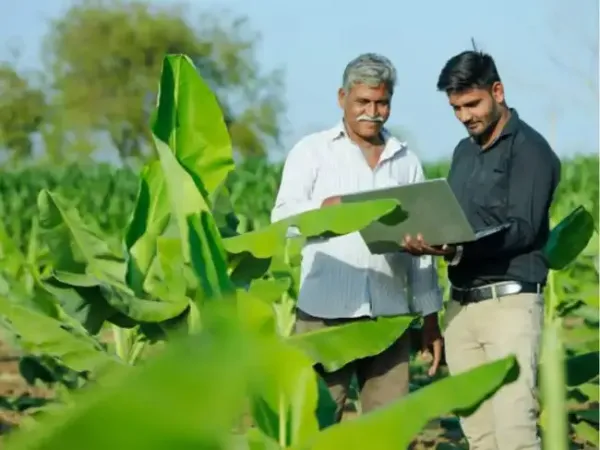
A former IT professional recently shared his journey of leaving behind a long career in software development to embrace agriculture full-time on the subreddit Developers India. Having spent over a decade in the technology sector, he eventually walked away from coding and corporate life to pursue farming—a decision he has now lived with for ten years. His experience offers a grounded, realistic perspective for anyone romanticizing the idea of trading screens for green fields.
The Dream vs The Demands
Many professionals imagine farming as a peaceful escape—lush greenery, independence, and a slower pace of life. While those elements do exist, the former techie emphasizes that agriculture is far from easy. It demands intense physical labor and constant mental engagement. Unlike office work, there are no predictable routines or guaranteed outcomes.
Profit Isn’t Guaranteed
One of the biggest misconceptions is that farming is highly profitable. In reality, earnings are often limited. Managing everything independently might yield some profit, but hiring labor can quickly erode margins, sometimes leading to losses. The economics of farming are delicate and highly sensitive to costs.
Size and Scale Matter
Landholding plays a crucial role in determining outcomes. Smaller farms may reduce financial risk but also limit income potential. Larger farms can generate higher returns but expose farmers to greater uncertainties. Balancing scale and sustainability becomes a key challenge.
Crop Choices Define Outcomes
The type of crop grown significantly influences success. Short-duration crops like millets or maize offer quicker cycles, while medium-term options like bananas require more patience. Long-term crops such as fruit orchards demand years of commitment before yielding returns. Each choice comes with its own risks and rewards.
Too Many Uncontrollable Factors
Agriculture is deeply affected by unpredictable variables. Weather changes, pest attacks, market fluctuations, and even global events can disrupt earnings. The techie points out that even flawless planning can result in losses due to factors beyond control.
Financial Planning is Crucial
Managing finances in farming is complex. Costs often exceed initial estimates, making it essential to maintain surplus funds. Separating personal and agricultural finances and having an additional income source is strongly advised to survive uncertain periods.
Patience is Non-Negotiable
Unlike salaried jobs, farming requires waiting. Short-term crops still take several months before results are visible. Farmers must continuously invest time and money without immediate returns, making patience a critical trait.
Knowledge is Power
Farming demands expertise in soil health, seeds, fertilizers, pest control, and market timing. Even after years of experience, mastering plant diseases and agricultural techniques remains a challenge. Continuous learning is part of the journey.
Testing Before Committing
For beginners, leasing land instead of purchasing it is a smarter approach. Buying farmland without experience can lead to financial strain, especially since agricultural land doesn’t always appreciate quickly or sell easily.
Lifestyle Adjustments are Essential
Switching from a tech career to farming requires major lifestyle changes. Income stability may decline, and moving to smaller towns or rural areas becomes necessary. Family support plays a crucial role in making this transition sustainable.
Beyond Money: The Real Rewards
Despite the hardships, farming offers unmatched emotional satisfaction. The joy of witnessing crops grow, working under open skies, enjoying fresh food, and connecting with nature brings a sense of fulfillment that money cannot replace.
Voices from the Community
Many people resonated with the story, acknowledging the difficulty of agricultural life. Others expressed their aspiration to leave urban stress behind and embrace village living, even if it takes years of preparation.